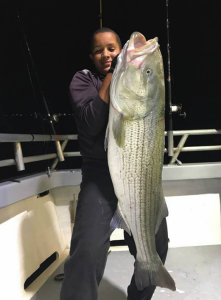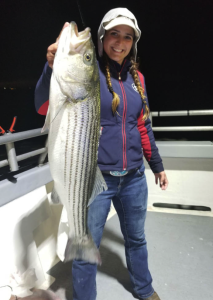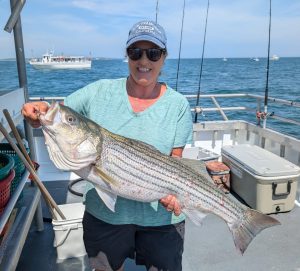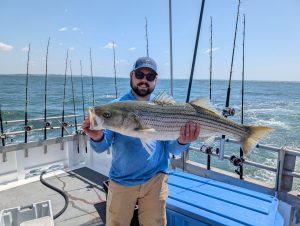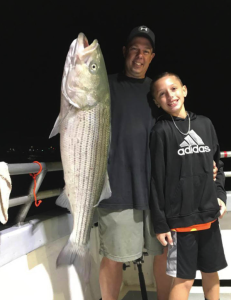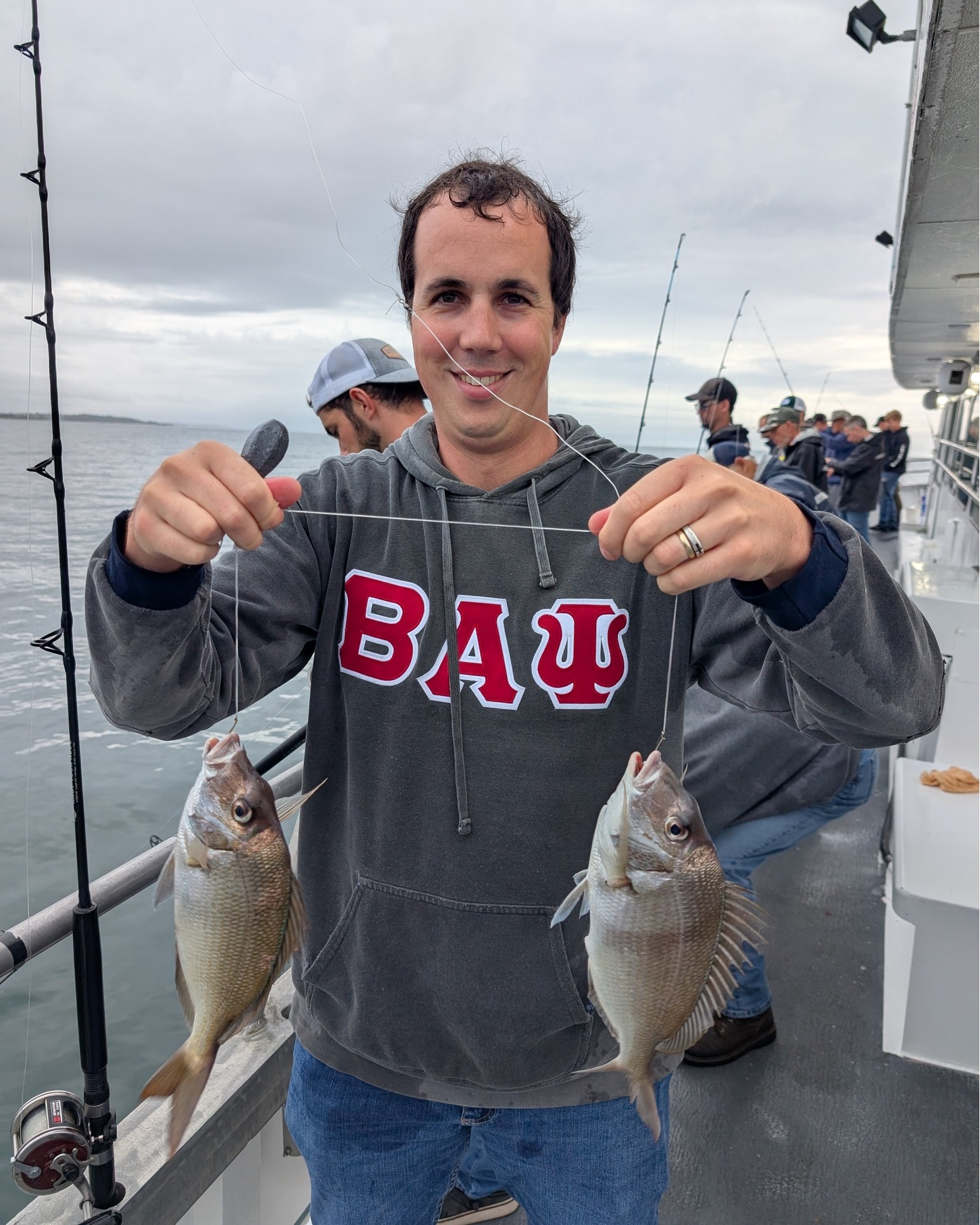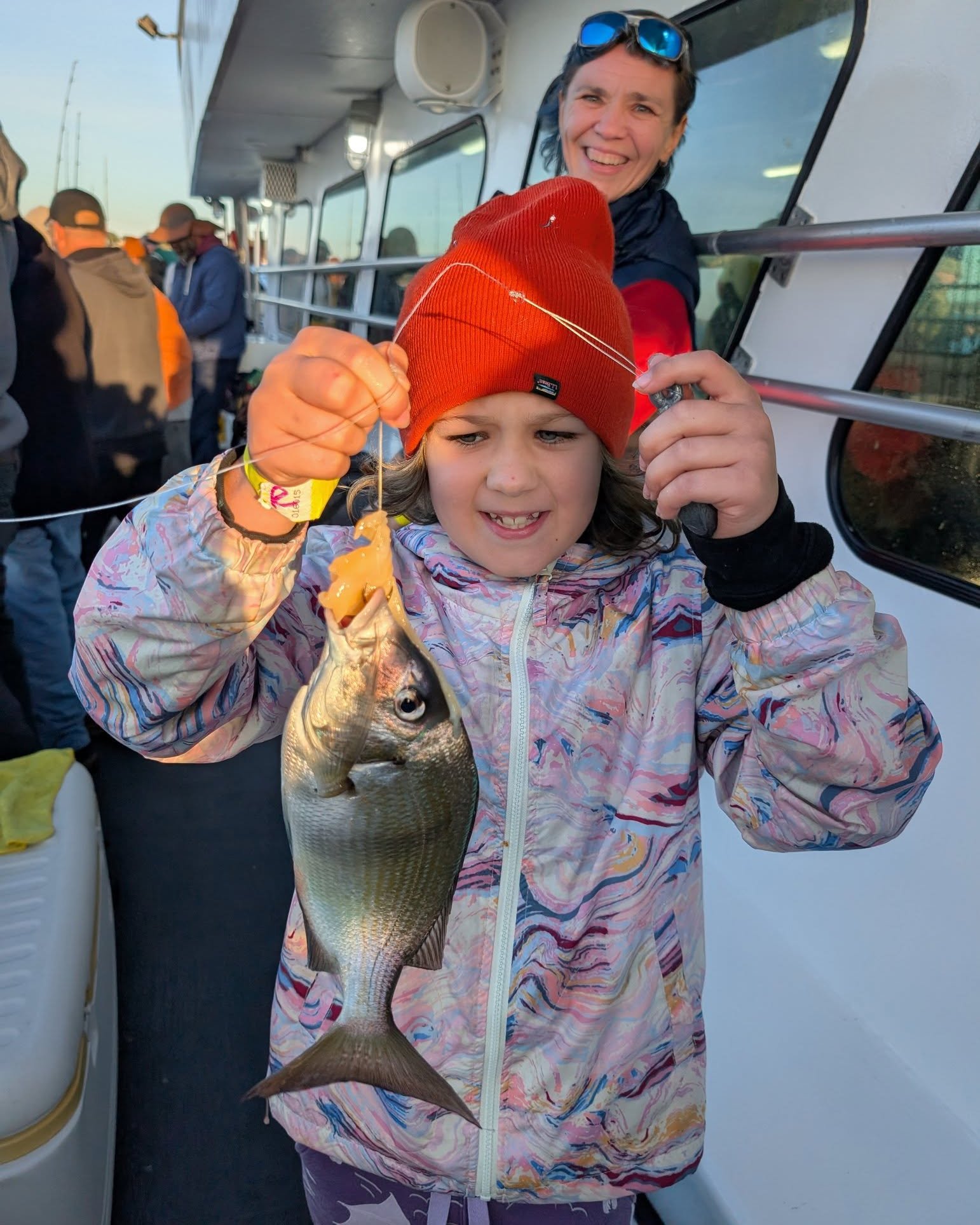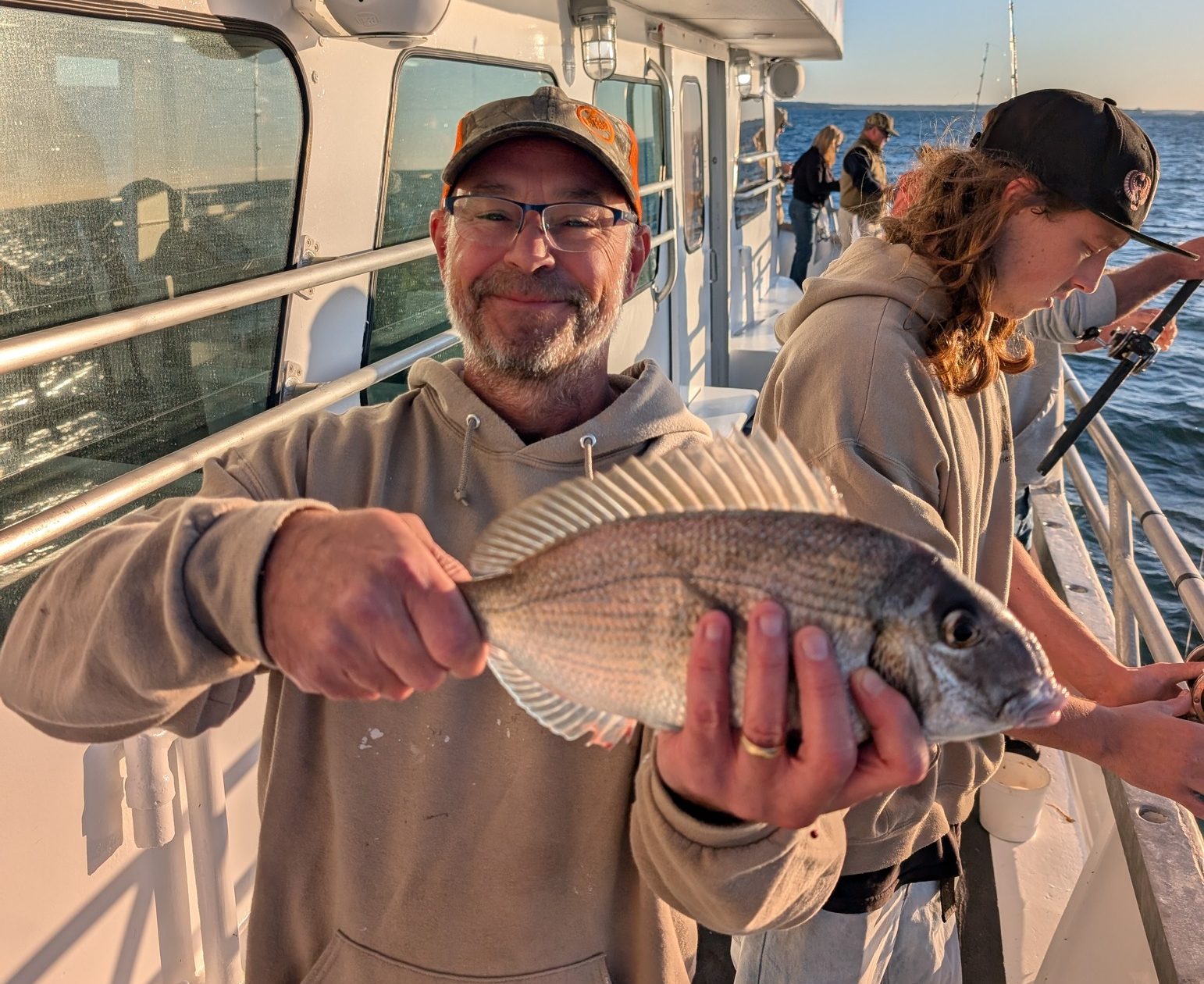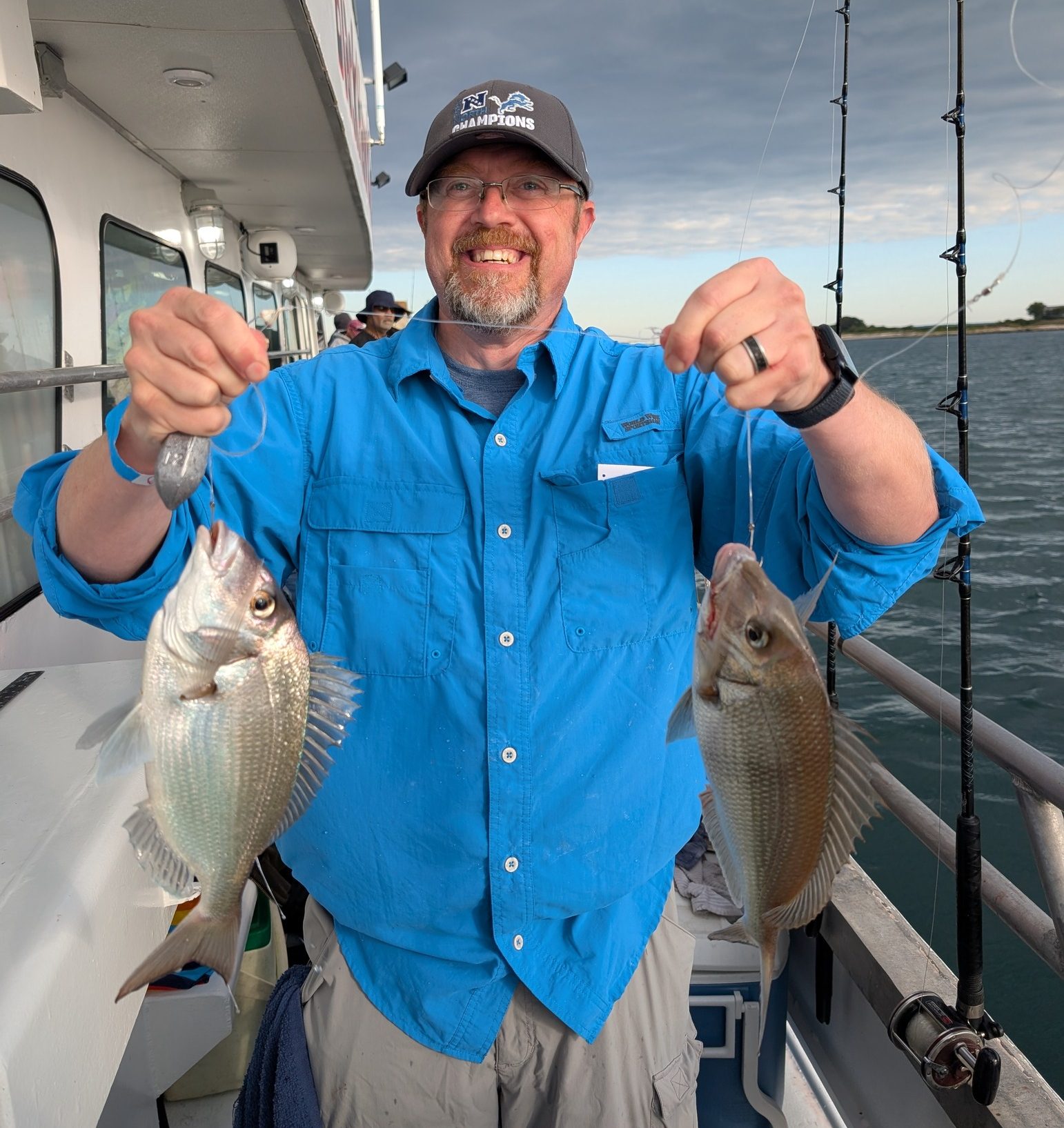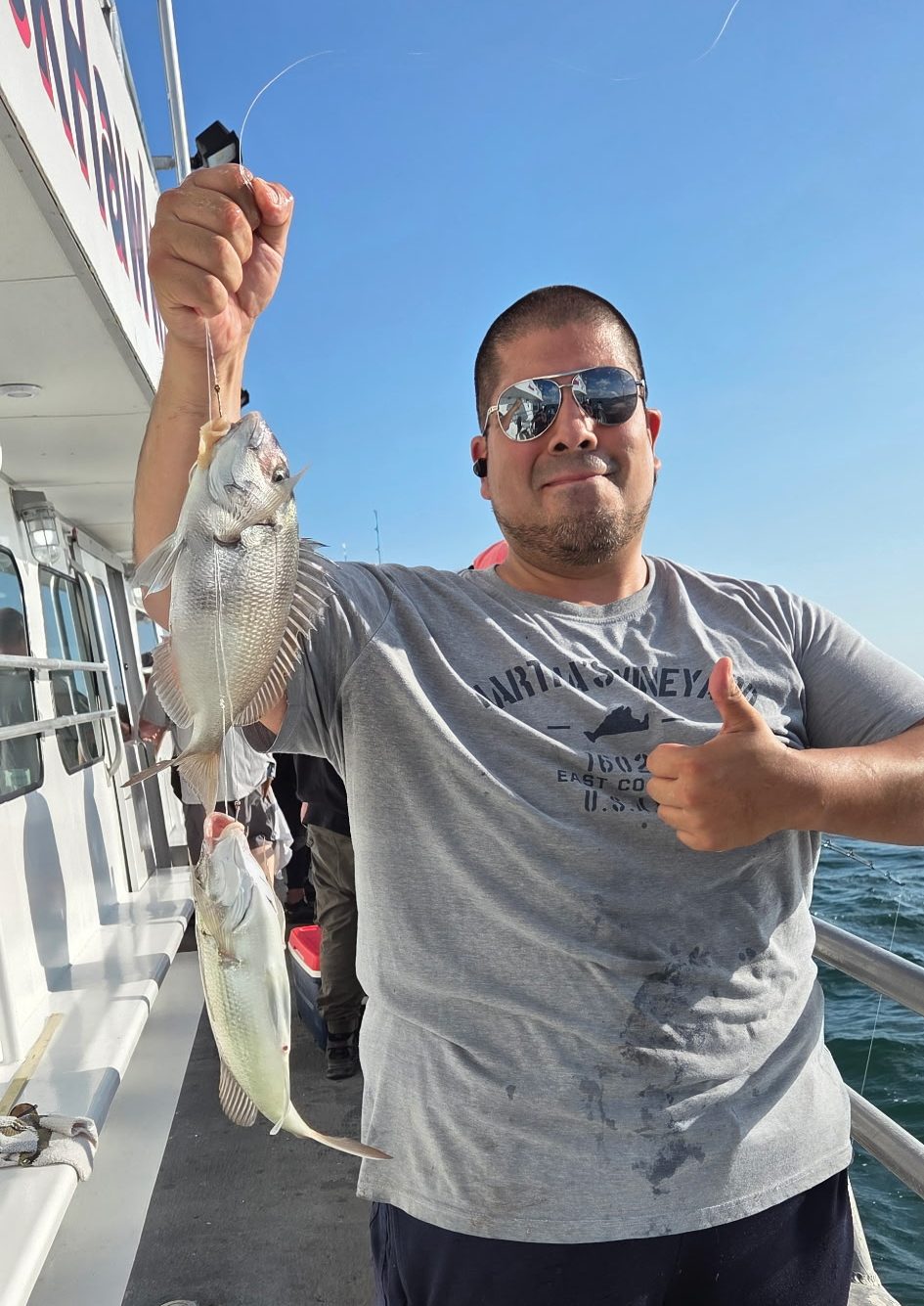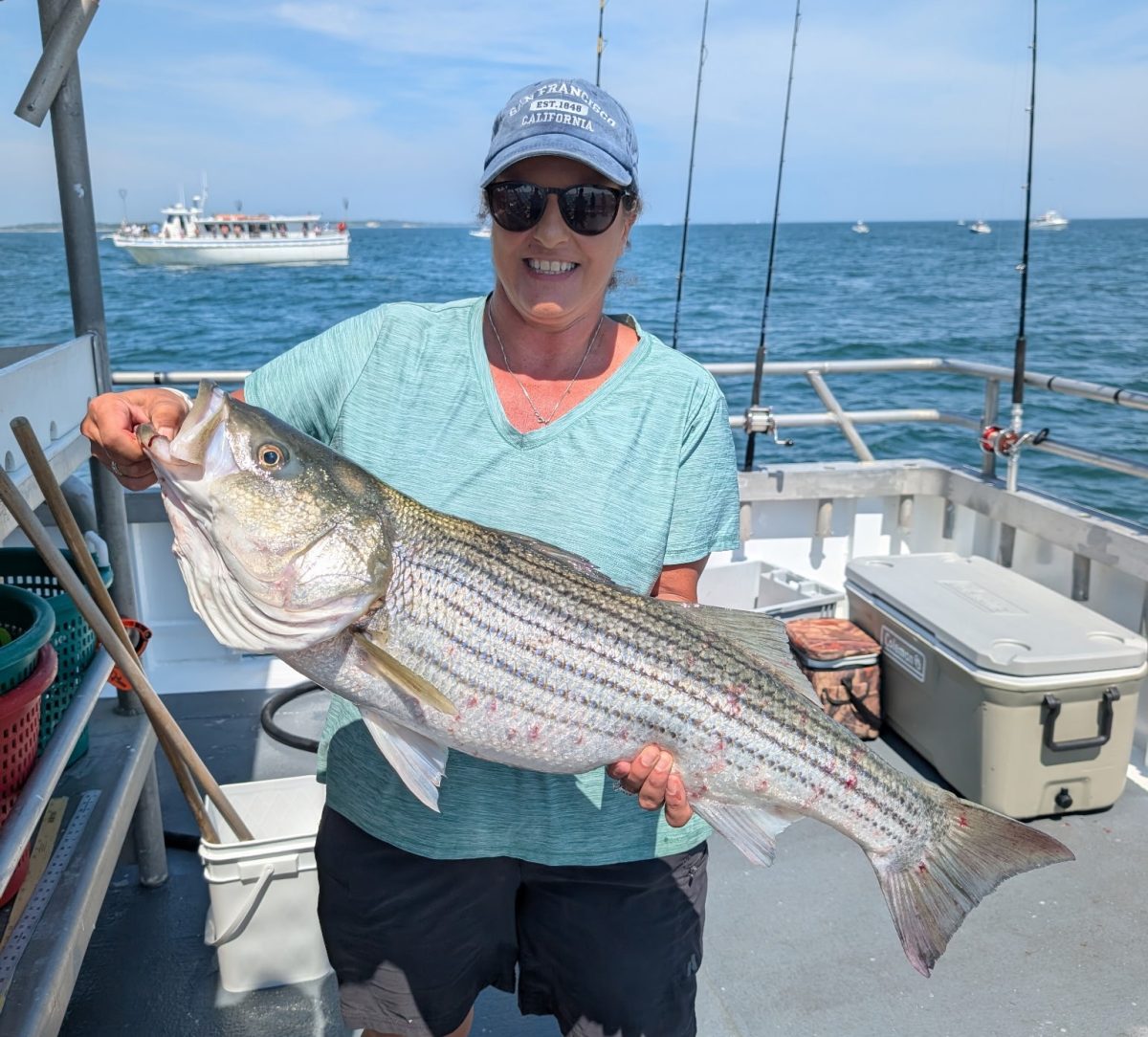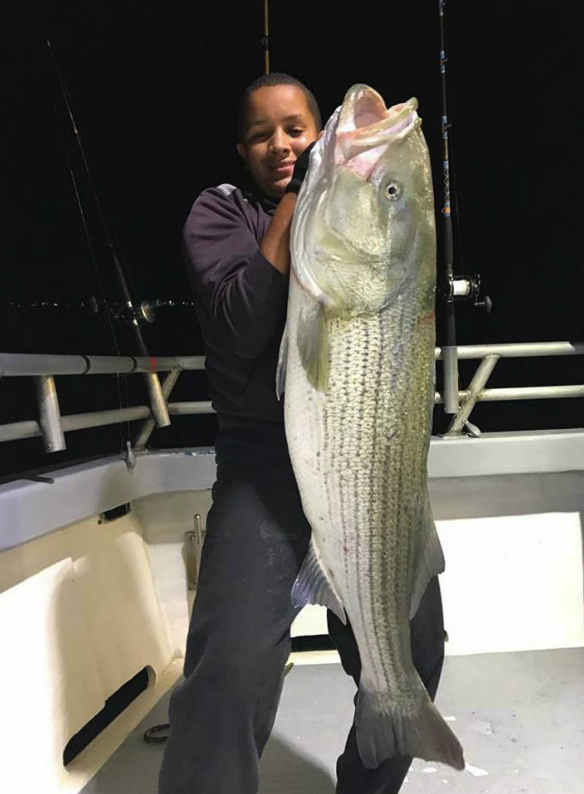
Striped Bass Fishing Techniques: Proven Methods That Consistently Catch Stripers

Striped bass are one of the most exciting fish anglers can chase along the Northeast coast. They hit hard, fight strong, and often feed in dramatic bursts that make fishing feel electric.

But catching them consistently is another story.

Some days the water seems alive with fish. Other days everything looks perfect and the bite never happens. That’s why understanding striped bass fishing techniques is so important. The right technique used in the right conditions often determines whether you hook fish or simply watch the tide move.

This guide explains the techniques that consistently produce striped bass, when each one works best, and how experienced captains adjust their approach when the bite changes.

Understanding How Striped Bass Feed

Before choosing a fishing technique, it helps to understand how striped bass behave.

Stripers are opportunistic predators. They rarely stay in one place waiting for food. Instead, they move through areas where baitfish naturally gather.

Those locations typically include:

  • Tide rips
  • Drop-offs
  • Rock piles
  • Bait schools
  • Current edges

If baitfish are present and the water is moving, striped bass are usually nearby.

Experienced anglers often focus on one simple question before anything else.

Where is the bait?

Finding baitfish is often the first step toward finding stripers.


striped bass fishing

The Most Effective Striped Bass Fishing Techniques

Different conditions call for different methods. These techniques consistently produce striped bass across the Northeast.

Live Bait Fishing

Live bait remains one of the most reliable ways to catch striped bass.

The goal is simple. Present a live baitfish naturally and allow it to swim freely in the current.

Common live baits include:

  • Menhaden (bunker)
  • Eels
  • Spot
  • Mackerel

When striped bass are feeding heavily on a specific baitfish, live bait often outperforms artificial lures.

Hook placement is important. Most anglers hook bait through the nose or behind the dorsal fin so it swims naturally.

Many beginners also make the mistake of adding too much weight. Often the best presentation is letting the bait drift naturally with the tide.

striped bass fishing techniques

Chunk Bait Fishing

Chunking works well when striped bass are feeding deeper or during nighttime fishing.

Instead of live bait, anglers cut pieces of baitfish and fish them on the bottom.

Popular chunk baits include:

  • Bunker
  • Clams
  • Mackerel

Small bait pieces tossed into the water create a scent trail called a chunk slick. Striped bass follow the scent until they find your hook bait.

This technique is simple but extremely effective when fish are holding in one area.

Trolling for Striped Bass

Trolling allows anglers to cover large areas of water while searching for fish.

Instead of casting, lures or rigs are pulled behind a moving boat.

Common trolling rigs include:

  • Umbrella rigs
  • Mojo rigs
  • Tube and worm setups

Trolling is especially effective during migration periods when striped bass are spread out across open water.

Many experienced captains begin the day trolling to locate fish before switching to casting or jigging.

Jigging for Striped Bass

Jigging works best when striped bass are holding deeper near structure.

Anglers drop weighted jigs vertically and bounce them along the bottom.

Common jigging lures include:

  • Diamond jigs
  • Soft plastic jig heads

This technique is effective when fish are holding near:

  • Reefs
  • Wrecks
  • Deep channels

Jigging keeps the lure in the strike zone where striped bass are actively feeding.

striped bass fishing techniques

Choosing the Right Technique for the Conditions

Knowing multiple techniques is helpful, but knowing when to use each one is what separates experienced anglers from beginners.

Three factors often determine the best approach.

Tide Movement

Striped bass feed most actively when water is moving.

Incoming and outgoing tides push baitfish through structure, creating feeding opportunities.

The first few hours of a moving tide often produce the best action, while slack tide usually slows fishing.

Bait Activity

If baitfish are present, striped bass are rarely far away.

Watch for signs like:

  • Diving birds
  • Baitfish breaking the surface
  • Nervous water

When stripers are actively feeding on bait schools, casting lures can produce fast action.

Water Depth

Depth often determines which technique works best.

Casting lures works well in shallow water. Jigging is often better around deeper structure. Trolling helps locate fish in open water.

Adjusting techniques based on depth can dramatically improve success.

Where Striped Bass Hold

Striped bass rarely swim randomly through open water. They usually position themselves where baitfish naturally pass by.

Tide Rips and Current Edges

Rips form where fast-moving current hits structure or changing bottom depth. Baitfish struggle in these currents, making them easy targets for predators.

Reefs, Rock Piles, and Drop-Offs

Structure attracts baitfish and provides ambush points for striped bass. Drop-offs also act as underwater highways that fish travel while feeding.

Gear That Helps These Techniques Work

You don’t need complicated equipment to catch striped bass.

A reliable setup typically includes:

Rod
A medium-heavy spinning rod around 7–8 feet.

Reel
A quality spinning reel with a smooth drag.

Line
Most anglers prefer braided line for sensitivity.

Leader
Fluorocarbon leaders help reduce visibility in clear water.

When fishing with natural bait, anglers should also be aware of circle hook requirements designed to protect striped bass populations. We encourage people to review the official Connecticut striped bass circle hook regulations when planning their trip.

Common Mistakes Striped Bass Anglers Make

Even experienced anglers occasionally fall into these traps.

Fishing During Slack Tide

When the water stops moving, striped bass often stop feeding.

Ignoring Baitfish

Bait activity is one of the most reliable signs of feeding fish.

Retrieving Too Quickly

Striped bass often prefer a slower presentation than anglers expect.

Advanced Striped Bass Fishing Techniques

Once anglers gain experience, they often experiment with specialized tactics.

Live Lining Bunker

This technique allows a live bunker to swim naturally while striped bass feed nearby. It is particularly effective when large bunker schools move through an area.

Night Fishing with Eels

Many large striped bass feed after dark. Live eels remain a traditional and productive nighttime bait.

Striped Bass Fishing in Long Island Sound

Long Island Sound has long been known for productive striped bass fishing.

Seasonal migrations bring stripers through the region each year, and anglers regularly target them around reefs, rips, and bait schools.

Captains often adjust techniques daily depending on tides, water temperature, and bait movement. Some days trolling finds fish quickly. Other days casting or jigging produces better results once fish are located.

You can see what the bite has looked like recently by checking the latest Long Island Sound striped bass fishing reports from Niantic. 

When Is the Best Time to Catch Striped Bass?

Striped bass can be caught throughout much of the year in the Northeast, but certain conditions consistently produce better fishing.

Best Time of Day

Early morning and evening often provide the best action because low light conditions encourage striped bass to feed.

Best Seasons

Spring and fall migrations usually offer the most consistent fishing opportunities.

Weather Conditions

Overcast skies and wind pushing baitfish toward structure can trigger feeding activity.

For accurate seasons and size limits, anglers should always review the official Connecticut saltwater fishing regulations.

Striped Bass Fishing FAQs

What is the best technique for striped bass fishing?

Live bait fishing and trolling are among the most consistent techniques. Artificial lures can be extremely effective when stripers are actively feeding on baitfish.

What bait catches the most striped bass?

Menhaden, clams, and live eels are some of the most productive baits. Matching the baitfish present in the area often improves success.

What lure works best for striped bass?

Bucktails, swimbaits, and topwater plugs are widely used depending on water depth and feeding activity.

What tide is best for striped bass fishing?

Moving tides generally produce the most bites, especially during the first few hours of an incoming or outgoing tide.

Do striped bass bite better at night?

Yes. Larger striped bass often feed more actively after dark, particularly during warmer months.

How deep do striped bass usually swim?

Striped bass can hold anywhere from shallow flats to deep channels depending on where baitfish are located.

Final Thoughts on Striped Bass Fishing Techniques

Striped bass fishing is rarely about using just one technique.

Successful anglers learn to adjust based on tides, bait activity, water depth, and weather conditions. Some days trolling helps locate fish. Other days casting or jigging produces the best results.

That flexibility is what leads to consistent catches.

If you want to learn these striped bass fishing techniques firsthand, fishing aboard a Long Island Sound party boat fishing trip from Niantic with experienced captains and crew can shorten the learning curve and help anglers quickly understand how these methods work in real conditions.

You can explore available Niantic Connecticut party boat fishing trips and schedules on our website. 

About the Captain: Captain Greg Dubrule

Captain Greg Dubrule has spent more than four decades in the fishing business and knows Connecticut’s Long Island Sound like a local map you can’t buy in a tackle shop. As the captain of the Black Hawk out of Niantic, CT, Greg’s focus is simple: run safe, well-organized trips and help anglers of all experience levels have a great day on the water—whether you’re chasing striped bass, filling a cooler with sea bass and scup, or bringing the family out for their first trip.

When Greg isn’t running trips, he’s thinking about the same things serious Sound anglers obsess over: tides, bait movement, water conditions, and where the next bite is going to break open. If you’ve ever wondered why some boats consistently find fish, that’s the difference—time on the water, paying attention, and putting the pieces together day after day.
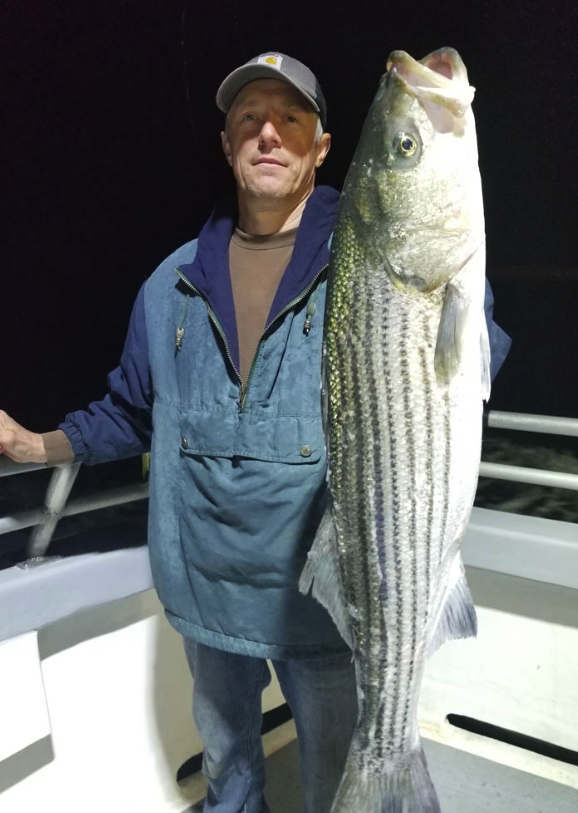
Striped Bass Fishing Report: What to Expect in Long Island Sound (Niantic, CT)

If you’re searching for a striped bass fishing report for Long Island Sound, you probably want two things. First, you want to know if the fish are biting. Second, you want to understand what that report actually means for your trip.

This guide breaks down how striped bass fishing works in Connecticut waters, what patterns are typical around Niantic, and how to read a report so you can set realistic expectations before you step on the boat. For the most current local conditions, you can always check our latest fishing report before your trip

Where Striped Bass Hold in Long Island Sound

Striped bass are structure-oriented fish. In the waters off Niantic and across Long Island Sound, they commonly relate to:

  • Reefs and rock piles
  • Ledges and drop-offs
  • Channel edges
  • Rips and tide lines
  • River mouths and estuaries

A striped bass fishing report often mentions “structure” or “marks on the machine.” That usually means fish are holding tight to bottom features or suspended near bait schools.

Moving water is critical. Stripers feed most actively when the tide is running. Slack tide often slows things down.

What a Striped Bass Fishing Report Typically Tells You

A good report is more than just “we caught fish.” It should give you useful context.

Bite Quality

You may see phrases like:

  • Steady pick
  • Slow but improving
  • Hot bite on the tide
  • Short window of action

This describes consistency. A steady pick means fish were caught throughout the trip. A window bite means most action happened during a short stretch, often tied to tide movement.

Size Class

Most reports reference size in general terms:

  • Schoolies (smaller bass under the legal slot)
  • Slot fish (legal keeper size)
  • Overslot fish (must be released)

In Long Island Sound, it’s common to catch a mix of shorts and legal fish, especially during migration periods.

Method That Worked

Reports usually mention what produced best:

  • Bait fishing
  • Jigging
  • Trolling

This helps you understand how the fish were behaving. Aggressive jig bites often signal active fish. Bait bites can mean fish are holding and feeding more naturally.

Seasonal Striped Bass Patterns in Connecticut

Striped bass move predictably through Long Island Sound each year.

Spring

Spring fishing centers on migrating bass moving into the Sound.

What to expect:

  • Increasing numbers as water warms
  • Mix of smaller fish and growing keeper presence
  • Strong bite around bait like bunker and herring

Spring reports often improve week by week as water temperatures stabilize.

Summer

In summer, bass settle into structure.

Typical summer conditions:

  • Fish holding deeper during midday
  • Better action early and late in the day
  • Strong influence from tide stage

Night fishing can also be productive during warmer months.

Fall

The fall run is known for aggressive feeding.

During this time, reports may mention:

  • Large schools of fish
  • Surface feeds or blitz activity
  • Increased keeper ratios

Wind direction and bait movement can change conditions quickly in fall.

Winter

Some striped bass remain in rivers and protected areas.

Winter fishing usually means:

  • Slower presentations
  • Fewer fish overall
  • Consistent patterns in known locations

Patience and subtle presentations matter more in cold water.

Connecticut Striped Bass Regulations Overview

Before fishing, always confirm current regulations with Connecticut DEEP. Rules can change.

In recent seasons, Connecticut striped bass regulations have included:

  • Open year round
  • One fish per person per day
  • Slot limit of 28 inches to less than 31 inches
  • Inline circle hooks required when fishing with bait

Overslot fish must be released carefully. Proper handling improves survival and protects the fishery.

If fishing near state boundaries or on specialty trips that approach federal waters, additional rules may apply. Always follow the regulations for the waters you are fishing and the state where you land your catch.

On registered Connecticut party boats operating in the marine district, passengers generally do not need an individual CT marine fishing license. Confirm specifics with the operator if you are unsure.

striped bass fishing in long island

Techniques That Commonly Produce Stripers

Striped bass can be caught using several reliable methods in Long Island Sound.

Bait Fishing

Bait is one of the most consistent approaches.

Common baits include:

  • Bunker
  • Clams
  • Mackerel
  • Cut bait

When using bait in Connecticut waters, inline circle hooks are required. Let the fish load the rod instead of setting the hook hard.

Jigging

Diamond jigs and soft plastics are effective when fish are holding deeper.

Success depends on:

  • Staying near bottom or marked fish
  • Adjusting weight for current
  • Maintaining contact with the lure

Trolling

Trolling covers water when fish are spread out.

It is often used:

  • During migration
  • When searching for active schools
  • In areas with scattered bait

What to Expect on a Party Boat Trip

If you are interested in fishing on a party boat out of Niantic, here is what typically happens. To book a party boat fishing trip, check out our website. 

Booking and Check-In

  • Reserve your spot online in advance
  • Arrive early to check in at the ticket window
  • Handle rentals and optional pools before boarding

Online purchases usually include agreement to cancellation policies. Review those terms before booking.

On the Water

The captain will:

  • Run to productive areas based on current conditions
  • Position the boat over structure or bait
  • Adjust locations as tides change

The crew will:

  • Show beginners how to use the gear
  • Help with tangles and baiting
  • Measure fish to confirm legal size
  • Assist with safe release of oversized fish

No experience is required. Crew members provide instruction so first-time anglers can fish confidently.

Gear and Tackle

Party boats typically offer rod and reel rentals and provide guidance on proper rigs.

If bringing your own equipment, check recommended line class and setup in advance to match local conditions.
striped bass fishing long island

Understanding Striped Bass Size Classes

Knowing what sizes to expect helps set realistic goals.

Schoolies

  • Smaller fish below the legal slot
  • Common during certain parts of the season
  • Great for learning technique

Slot Fish

  • Within the legal keeper range
  • Eligible for harvest within bag limits
  • Often the primary target for anglers looking to bring fish home

Overslot Fish

  • Larger bass above the slot
  • Must be released
  • Should be handled quickly and carefully

Using proper release techniques protects larger breeding fish and supports the long-term health of the fishery.

Best Times to Target Striped Bass

If you want to increase your chances, focus on these factors.

Tide Movement

Moving water is more important than time of day. Many strong reports mention fish biting best on the outgoing or incoming tide.

Low Light Periods

Early morning and evening can be productive, especially during summer.

Bait Activity

If a report mentions heavy bait presence, that is usually a good sign. Stripers rarely stray far from food sources.

How to Get the Most Value From a Fishing Report

Use reports as guidance, not guarantees.

Ask yourself:

  • Was the bite tied to a specific tide?
  • Were fish concentrated in one small area?
  • Was the action steady or limited to a short window?
  • What method produced best?

Matching your expectations to the conditions described in the report will improve your overall experience.

striped bass fishing in Long Island

Planning Your Trip in Niantic, CT

A little preparation goes a long way.

What to Bring

  • Closed toe shoes
  • Weather appropriate layers
  • Sunscreen
  • A cooler for legal keepers

Food and Drinks

Most party boats offer basic food and non alcoholic drinks onboard. Confirm policies regarding outside food and beverages before your trip.

Fish Cleaning and Tipping

On many party boats, mates can clean your fish for a nominal fee. Tipping the crew is customary and reflects the level of service provided.

Why Long Island Sound Is a Strong Striped Bass Fishery

Long Island Sound continues to produce striped bass because of:

  • Strong tidal flow
  • Extensive reef systems
  • Abundant bait migration
  • Healthy estuaries and river systems

Combined with experienced local captains who understand seasonal movement, these factors create consistent opportunities for anglers of all skill levels.

A striped bass fishing report should help you understand conditions, techniques, and expectations. When you know how to read it and what influences the bite in Long Island Sound, you are better prepared to enjoy your time on the water and make the most of your trip.

Striped Bass Fishing Report FAQs

Where are striped bass biting in Long Island Sound?

Striped bass in Long Island Sound commonly hold on reefs, rock piles, channel edges, rips, and river mouths. Reports often highlight areas with strong tidal movement and concentrated bait schools. Productive zones can shift with wind and current, so location details in reports are usually tied to structure and tide.

What is the best time to catch striped bass in Connecticut?

The best time to catch striped bass in Connecticut is usually during moving tides, especially around dawn and dusk. Spring and fall are known for strong migration bites, while summer often produces better action during early morning, evening, or night hours. Reports that mention a “tide window” are often pointing to the most productive part of the trip.

What size striped bass can you keep in Connecticut?

Connecticut striped bass regulations have recently included a slot limit of 28 inches to less than 31 inches with a one fish daily bag limit. Fish outside that slot, including larger overslot bass, must be released. Because regulations can change, always confirm current rules with Connecticut DEEP before fishing.

What bait works best for striped bass in Long Island Sound?

Common productive baits in Long Island Sound include bunker, clams, mackerel, and cut bait. Many reports note whether fish are responding better to natural bait or artificial lures like jigs and soft plastics. When fishing with bait in Connecticut waters, inline circle hooks are required to improve survival of released fish.

Do you need a fishing license for striped bass on a party boat in CT?

On registered Connecticut party boats operating in the marine district, passengers generally do not need an individual CT marine fishing license. The vessel carries the required registration for covered trips. If you are unsure about your specific trip or fishing in different waters, confirm details with the boat operator before departure.

About the Captain: Captain Greg Dubrule

Captain Greg Dubrule has spent more than four decades in the fishing business and knows Connecticut’s Long Island Sound like a local map you can’t buy in a tackle shop. As the captain of the Black Hawk out of Niantic, CT, Greg’s focus is simple: run safe, well-organized trips and help anglers of all experience levels have a great day on the water—whether you’re chasing striped bass, filling a cooler with sea bass and scup, or bringing the family out for their first trip.

When Greg isn’t running trips, he’s thinking about the same things serious Sound anglers obsess over: tides, bait movement, water conditions, and where the next bite is going to break open. If you’ve ever wondered why some boats consistently find fish, that’s the difference—time on the water, paying attention, and putting the pieces together day after day.
 

Striped Bass Fishing in CT: A Local Guide to Catching Long Island Sound Stripers

Striped bass (aka “stripers”) are the reason a lot of Connecticut anglers keep a rod in the truck all season. When the bite lines up—bait on the move, tide doing the right thing, birds working—it can go from “quiet afternoon” to “why didn’t I bring more leaders?” real fast.

This guide breaks down striped bass fishing in CT in a practical way: when to fish, where to look, what methods work, and what the current rules require. We’ll also share how Blackhawk Sport Fishing helps folks get on fish—whether you’re brand new, bringing the kids, or you’ve been chasing bass for years.

Why striped bass fishing in Connecticut is so good

Connecticut sits in a sweet spot for stripers because Long Island Sound is a massive bait highway. Stripers slide through with migrating schools and also hang around in local pockets when food and water temps stay favorable.

A few reasons CT can fish well:

  • Two coastlines worth of structure (points, reefs, rips, rock piles, ledges)
  • Big tidal flow that concentrates bait
  • Easy access: beaches, jetties, bridges, river mouths, and boats out of Niantic and beyond

If you like fishing that rewards timing (tide + light + bait), stripers will keep you entertained for life.

When to target stripers in CT

Striped bass can show up in different ways across the striped bass season. Here’s the simple breakdown.

Spring: the “they’re back” push

Spring fishing often revolves around warming water and early bait. Some days are slow… then a week later you’re seeing fish rolling at first light.

Best bets in spring:

  • River mouths and tidal stretches
  • Shoreline structure on moving tides
  • Smaller profile lures when bait is small

Summer: longer days, better night bite

In summer, stripers often feed best around low light—early, late, and especially after dark. Boat anglers can also stay on fish by working deeper structure and rips.

Summer playbook:

  • Dawn topwater opportunities
  • Deeper water during bright sun
  • Night trips for consistent action when conditions line up

Fall: blitz potential and heavy feeding windows

Fall is when you’ll see the most “run-and-gun” behavior—birds, surface feeds, and bait getting pushed.

Fall signals:

  • Bunker/peanut bunker in the area
  • Birds dipping and working
  • Tide changes creating obvious rips

Winter: holdovers and pick-your-days fishing

Some fish hold in select areas. Winter striper fishing is real, but it’s also when safety and conservation matter a lot. Cold water doesn’t forgive bad prep.

Where to fish for striped bass in CT

Connecticut gives you two main paths: shore fishing and boat fishing.

Shore options (good for quick trips)

Shore fishing is about putting yourself near current + structure + bait. Productive spots often include:

  • Jetties and rock walls
  • Bridges and tidal pinch points
  • River mouths and beaches near deeper water
  • Harbor entrances when bait stacks up

Tip: If you’re not seeing bait, birds, nervous water, or life… keep moving.

Boat options (covers more water, hits better structure)

From a boat, you can fish:

  • Rips and reefs
  • Ledges and rock piles
  • Open-water bait schools
  • Deeper structure when the sun is high

A party boat setup also makes it easier to fish as a group—someone’s always learning something, and you get more shots at different water without having to run your own boat.

Connecticut striped bass regulations (what you need to know)

Regulations can change, so always double-check before you fish. As of CT’s posted marine rules:

Slot limit (keep size)

Connecticut uses a 28″ to less than 31″ harvest slot for striped bass. Fish under 28″ or 31″ and over must be released.

Daily creel limit

You may keep 1 striped bass per angler per day.

Open season

CT lists striped bass as open year-round in marine regulations. 

Circle hook rule when using bait

When fishing with bait, inline circle hooks are required (this does not apply to artificial lures).

One more important note: federal waters

Harvesting/targeting striped bass in federal waters has been prohibited for decades, so staying aware of where you’re fishing matters.

Best techniques for striped bass fishing in CT

There are a lot of ways to catch stripers, but these are the workhorses in Connecticut.

Topwater (when the fish are up)

Nothing beats a surface bite. Topwater shines when:

  • Light is low (dawn/dusk)
  • Bait is tight to the surface
  • You see birds or fish blowing up

Go-to styles: spooks, poppers, paddletails burned high

Jigging and soft plastics (consistent and beginner-friendly)

If you want a method that works in a wide range of conditions, jigging is it.

  • Bounce structure
  • Swim through rips
  • Match bait size

Soft plastics and bucktails catch stripers because they can be fished slow, fast, deep, or shallow.

Live bait (follow the circle hook rule)

Live bait can be deadly when fish are keyed on natural forage. Just remember:

  • Inline circle hooks are required with bait in CT
  • Let the fish load up—don’t “trout set” a circle hook

Trolling (covers water, finds fish)

Trolling isn’t “cheating”—it’s a way to locate active fish, especially when they’re spread out. Once fish are found, many crews switch tactics to stay on them more precisely.

Striped bass gear checklist (CT-friendly setup)

You don’t need a science project. You need gear that matches the method.

Rod & reel (common setups)

  • Shore / plugging: 7’–10’ rod depending on spot and lure weight
  • Boat jigging: 6’6”–7’6” rods with enough backbone for current
  • Line: braid for sensitivity + casting distance
  • Leader: abrasion-resistant leader around rock and structure

Terminal and tackle essentials

  • A few leader spools (because CT rocks love your knots)
  • Clips/swivels (optional, but keep it strong)
  • Extra jig heads and bucktails
  • A couple “confidence” lures you actually throw well

Safety and comfort (don’t skip this)

  • Layering for wind (Sound weather changes fast)
  • Sunglasses for eye protection
  • Seasickness plan if you’re boat fishing (start before you feel rough)

How Blackhawk Sport Fishing helps people catch stripers in CT

If you want to fish striped bass without running your own boat—or you want to fish with a crew that does this for a living—this is where we shine.

A boat and crew built for party-boat fishing

The Black Hawk is built specifically for party-boat fishing, and our operation is set up to make the day smooth from dock to ride home.

Local captain leadership and a professional, helpful crew

Our About page highlights Captain Greg Dubrule’s 40+ years in the fishing business, plus the fact that the boat is Coast Guard inspected annually. That’s the kind of stuff that matters when you’re bringing family, friends, or first-timers. 

Trip styles that fit how people actually fish

We run a range of trip types and special events, and CT’s tourism listing specifically calls out half-day, mid-day, and night bass trips as part of what we do. 

Easy next step: see the schedule and book online

The simplest way to line up a trip is to check our Trips & Rates page for what’s coming up. 

If you want the heads-up on specials and updates, our site also has an email list for trip announcements for upcoming ct fishing charters and availability.

Quick-strike tips for more stripers in Connecticut

Follow the bait, not the calendar

If you find bait, you’re close to a pattern. If you don’t… keep looking.

Tide matters more than most people admit

If you’re fishing moving water, you’re fishing a conveyor belt. Pick spots where current creates an advantage.

Don’t fight fish to exhaustion

Especially in warm water, keep the fight efficient, handle fish with wet hands, and get them swimming again fast.

FAQ about Striped bass fishing in CT

Do I need a license to fish for stripers in Connecticut?

Yes—Connecticut requires a Marine Waters Fishing License for anyone 16+ fishing in the marine district (shore or boat) or landing marine fish in CT. 

Can I keep a striped bass in CT?

Yes, but only one per day and only if it falls in the 28″ to less than 31″ slot. 

Do I need circle hooks for striped bass in CT?

If you are fishing with bait, CT requires inline circle hooks. Artificial lures are not included in that rule. 

About the Captain: Captain Greg Dubrule

Captain Greg Dubrule has spent more than four decades in the fishing business and knows Connecticut’s Long Island Sound like a local map you can’t buy in a tackle shop. As the captain of the Black Hawk out of Niantic, CT, Greg’s focus is simple: run safe, well-organized trips and help anglers of all experience levels have a great day on the water—whether you’re chasing striped bass, filling a cooler with sea bass and scup, or bringing the family out for their first trip.

When Greg isn’t running trips, he’s thinking about the same things serious Sound anglers obsess over: tides, bait movement, water conditions, and where the next bite is going to break open. If you’ve ever wondered why some boats consistently find fish, that’s the difference—time on the water, paying attention, and putting the pieces together day after day.
 

Porgy Rig Setup: How to Gear Up for the Action

Porgy fishing is one of the most accessible and rewarding activities for anglers on the Long Island Sound, and having the right porgy rig setup plays a major role in how successful your day on the water will be. Whether you’re new to bottom fishing or you’ve been filling coolers for years, understanding how to choose the right gear, tie effective rigs, and adjust your approach for changing conditions can noticeably improve your catch rate. In this post, we walk through the essential parts of a porgy rig, the best setups for different situations, how to pick the right bait, and how to fine tune your gear for trips aboard Blackhawk Sport Fishing. By the end, you’ll know exactly how to rig up with confidence for your next porgy trip.

Understanding Porgy (Scup) Behavior and Habitat

Porgy are small but aggressive bottom feeders that often travel in large schools, which creates consistent action for anglers who understand how they move. Their feeding style is quick and deliberate, and they rely on sharp eyesight and strong senses to locate small pieces of shellfish, crustaceans, and worms along the seafloor. This behavior is one of the main reasons anglers need rigs that keep bait close to the bottom while still allowing enough sensitivity to detect the light, rapid taps that porgy are known for.

Porgy typically gather around structure because it offers protection and a steady food source. In places like Long Island Sound, these fish often hold along rock piles, wrecks, ledges, mussel beds, and mixed sand and gravel bottoms. Depth varies by season, but porgy usually stay in water between 15 and 60 feet, shifting slightly deeper when currents increase or temperatures change. They respond well to a stable presentation, which is why rigs that stay near the bottom and withstand current are so effective.

Key points for understanding Long Island porgy fishing spots include:

  • They prefer structure where food collects and where they can feed in groups.
  • They move throughout the day based on tide direction and bottom movement.
  • They rely on precise feeding, making smaller hooks and clean bait presentation important.

Recognizing how porgy behave around structure helps anglers choose the right rig, sinker weight, and hook style. It also explains why staying in contact with the bottom is crucial. When anglers match their rig to porgy feeding habits, the result is more bites and a far better catch rate throughout the trip.

porgy rig setup

Essential Gear for Porgy Rig Setup

Rod and Reel

Selecting a rod and reel that match Long Island porgy fishing conditions helps anglers feel light bites while keeping control in changing current. A light to medium spinning or small conventional setup works well, with a rod around seven feet that has a sensitive tip. This style of rod allows you to detect quick porgy taps while still providing enough power to manage heavier sinkers or bigger fish mixed into the school. A reel with a smooth drag and enough line capacity for varying depths ensures you can adjust to different spots throughout the day without losing performance.

Line and Leader Material

Braided or fused line in the 14 to 20 pound range is the most common choice for porgy rigs because it offers strong sensitivity and a thin diameter. This helps anglers maintain better contact with the bottom, which is important for detecting strikes and keeping bait in the feeding zone. A fluorocarbon leader, usually around four feet long, is added to improve stealth and abrasion resistance. Fluorocarbon holds up well around rock, shell, and reef structure where porgy like to feed.

Hooks and Sinkers

Hook size and sinker selection directly influence how many fish you put in the cooler. Porgy have small mouths, so smaller bait-holder or beak hooks in the size 1 to 2/0 range are ideal. These hooks present bait cleanly and help increase hook-up ratios. Bank sinkers are the most common choice because they hold bottom well and resist rolling in the tide. Depending on conditions, sinker weights typically range from three to twelve ounces. Carrying a few different sizes ensures you can stay in the strike zone no matter how the current shifts.

When all these pieces work together, anglers get a rig that is sensitive, durable, and efficient for porgy fishing. The right gear makes it much easier to stay connected to the bottom and respond quickly to steady action.

Rig Designs for Porgy Fishing

Standard Hi Low Rig

The hi low rig is one of the most dependable setups for porgy fishing because it presents two baits at slightly different heights near the bottom. This increases your chances of finding the level where fish are feeding and can lead to frequent double hook ups when the bite is strong. The rig typically uses two short dropper loops placed eight to twelve inches apart above a bank sinker. Each loop holds a small bait-holder or beak hook that keeps bait positioned close to structure where porgy feed. This rig is simple to tie, easy to manage, and performs well in most conditions found on the Long Island Sound.

Fish Finder Rig

The fish finder rig is a good option when currents increase or when porgy become more selective in how they take bait. This setup uses a sliding sinker on the main line, followed by a swivel and a short fluorocarbon leader that holds one or two hooks. The sliding design allows bait to move naturally while still staying close to the bottom. It also helps porgy take the bait without feeling immediate resistance from the sinker, which can lead to cleaner hook sets. This rig is especially useful when fish rise slightly off the bottom or when you want a more subtle presentation.

Dropper Loop Rig

The dropper loop rig uses multiple loops tied at set intervals above the sinker to present several baits at once. This style covers more of the bottom zone and helps anglers locate fish quickly, especially when porgy are feeding aggressively in large schools. The loops can be spaced as needed, often around twelve to eighteen inches apart. While this rig offers more bait in the water, it also requires careful handling to avoid tangles. It is a productive choice on days when fish are stacked on structure and hitting anything placed in front of them.

Each of these rigs has its strengths, and anglers often switch between them based on current, depth, and how actively the fish are feeding. Knowing when to use each design helps keep your bait in the strike zone and your rods bending throughout the trip.

porgy rig setup

Bait Selection and Presentation

Natural Baits That Work

Natural bait remains the most reliable choice for porgy, and using the right type can noticeably increase your hook up rate. Fresh or salted clams are a top option because they release scent quickly and stay appealing even in stronger currents. Squid strips, mussel pieces, and sandworms also work well and can be cut into small portions that fit the size of a porgy’s mouth. Many anglers prefer to keep multiple natural baits on hand so they can switch quickly if the bite slows. Since porgy are opportunistic feeders, even a small change in scent or texture can trigger more strikes.

Artificial Options and When to Use Them

Artificial baits and small jigs can be effective when porgy are actively feeding or when natural bait becomes harder to manage. Soft plastics in small sizes, lightweight bucktail jigs, and metal jigs tipped with a small piece of bait can draw attention from fish holding slightly above the bottom. These options work particularly well when porgy are mixed with other bottom species or when anglers want to cover more ground without rebaiting often. While artificials are not always the primary choice, they are valuable tools for testing different presentations and finding what works best on a given day.

Bait and Rig Presentation Tips

How bait is presented is often just as important as the bait itself. Porgy have small mouths and quick feeding habits, so keeping bait pieces small helps increase hook penetration. Clean baiting also matters. Strips of squid should be thin and streamlined, and clam pieces should be secured tightly so they do not fall off during drops or lifts. Anglers can also try alternating baits on a two hook rig to see which option draws more strikes. When the bite is steady, checking and replacing bait frequently ensures each drop gives the best chance for a fish to commit.

With the right selection and careful presentation, your bait becomes far more effective and consistently attracts porgy feeding along the bottom.

Rig Setup Step-by-Step: How to Tie a Porgy Rig for Blackhawk Trips

Materials Checklist

Preparing your materials ahead of time makes the tying process quicker and more organized. Most anglers use a braided or fused main line, a fluorocarbon leader around four feet long, a quality swivel, small bait-holder or beak hooks, and a bank sinker that matches the depth and current for the day. Having scissors, spare leader material, and extra hooks nearby helps you make quick adjustments during the trip. Keeping these items stored in a small tackle tray ensures everything stays within reach and reduces downtime between drops.

Step-by-Step Instructions for a Hi Low Rig

The hi low rig is simple to build and works well on Blackhawk trips because it stays stable near the bottom and offers two clean bait presentations. Begin by tying your main line to a swivel using a strong knot. Attach your fluorocarbon leader to the other end of the swivel and cut it to the preferred length. Form two dropper loops along the leader, placing them roughly eight to twelve inches apart. Attach your hooks to each loop by threading the loop through the eye and pulling the hook through the opening. Tie a bank sinker at the end of the leader and check that each loop hangs freely. A quick test drop in the water can confirm that the rig sits straight and tangle free.

Pre-made Rigs vs DIY Rigs

Both pre-made rigs and hand-tied rigs have a place on porgy trips. Pre-made options save time and are useful when the bite is steady and you want to stay efficient. They typically come with correctly sized hooks and appropriate spacing, which makes them a reliable grab-and-go choice. DIY rigs offer more flexibility and allow anglers to adjust hook spacing, leader length, or sinker style based on the day’s conditions. Many anglers carry both so they can switch quickly if the current changes or if a different presentation becomes more effective. Having options makes it easier to stay prepared and keep your line fishing throughout the trip.

Selecting Rig Style and Adjusting for Conditions

Considering Current, Tide, and Bottom Structure

Choosing the right rig style begins with reading the conditions. Current strength, tide direction, and bottom structure all influence how your bait moves and where porgy hold. In stronger current, a fish finder rig often performs better because its sliding sinker allows the bait to move naturally without getting pushed too far off the bottom. In lighter current, a hi low rig or dropper loop setup keeps bait in the strike zone and provides more consistent presentation. Structure also matters. On rocky or uneven bottom, shorter leaders help prevent snagging, while flatter areas allow for slightly longer leaders that drift more freely. Matching the rig to these conditions helps keep your bait right where porgy expect to find it.

When to Use Multiple Hooks vs Single Hooks

Porgy are known for schooling tightly and feeding aggressively, which is why many anglers use multiple hook rigs to increase their chances of hooking more than one fish at a time. Hi low and dropper loop rigs work well for this because they keep two or more baits in play. Multiple hooks also help anglers test different baits or depths without re-rigging. There are times when a single hook rig is the better choice. In very strong current or around heavy structure, a single hook reduces tangles and gives more control. It is also useful when targeting larger porgy or when anglers want a cleaner presentation with less hardware in the water.

Adjusting between single and multi hook setups allows anglers to stay efficient, respond to changing conditions, and maximize their chances of steady action throughout the day.

On-Boat Strategy — Tips for Charter Clients on Blackhawk Sport Fishing

Fishing aboard a party boat is a shared experience, and having a clear strategy helps you stay efficient and get the most out of each drift or anchor stop. Preparing a few rigs in advance is one of the best ways to stay ready. When the bite is steady, quick changes keep your line in the water instead of on the bench. Carrying extra sinker sizes, spare hooks, and pre-tied leaders allows you to adjust instantly if the current shifts or the captain moves to a new depth.

Paying close attention to your rod tip is another key habit. Porgy often strike with small taps before committing, and a sensitive rod helps you detect these early signs. Once hooked, steady pressure and a controlled lift keep the fish from shaking free. If you hook one fish on a multi hook rig, keeping the rig in the water for a moment can lead to a second fish joining before you reel up.

Staying organized at your rail spot also makes a difference. Keeping your bait, tackle, and tools within reach prevents tangles and saves time between drops. Communicating with nearby anglers helps everyone avoid crossed lines, especially during strong currents or when multiple people hook up at once. Listening to the crew and watching how experienced anglers approach each drift provides useful cues that can improve your technique.

Overall, being prepared, staying aware, and adapting quickly will lead to more fish in the cooler and a smoother experience on the water with Blackhawk Sport Fishing.

porgy rig setup

FAQs About Porgy Rig Setup

What is the best rig setup for catching porgy?

The most popular and reliable setup for porgy is the hi low rig because it presents two baits near the bottom where porgy feed. It is simple to tie and works well in a wide range of conditions. Many anglers also carry a fish finder rig or dropper loop rig to adjust as currents change.

What size hooks should I use for porgy fishing?

Porgy have small mouths, so hooks in the size 1 to 2/0 range are the best match. These sizes help present bait naturally while improving hook up rates. Smaller hooks also make it easier to land multiple fish when porgy are schooling.

How heavy should my sinker be for porgy fishing?

Sinker weight depends on depth and current, but most anglers use weights between three and twelve ounces. The goal is to use the lightest weight that still holds bottom without drifting. Bringing multiple sizes ensures you can adapt quickly when the boat moves to a new area.

Is braided line better than monofilament for porgy rigs?

Braided line is typically preferred because it offers greater sensitivity and thinner diameter. This helps anglers feel lighter bites and maintain better contact with the bottom. A fluorocarbon leader is usually added for abrasion resistance and reduced visibility.

Should I tie my own porgy rig or buy a pre-made one?

Both options work well, and many anglers carry a mix of the two. Pre-made rigs save time and are convenient during fast-paced trips. Hand-tied rigs allow you to customize hook spacing, leader length, and sinker size based on the day’s conditions.

What bait works best for porgy fishing?

Fresh or salted clams, squid strips, mussels, and small pieces of worms are among the top natural baits. These options release scent quickly and match what porgy naturally feed on along the bottom. Switching between baits can help determine what fish prefer on a given day.

Mastering Your Porgy Rig Setup for Better Results

A well planned porgy rig setup can make a noticeable difference in how many fish you put over the rail. By understanding porgy behavior, choosing the right gear, selecting the best rig for the conditions, and presenting bait cleanly, you give yourself a major advantage on the water. Small adjustments in sinker weight, hook size, or rig style can keep you in the strike zone and help you stay productive throughout changing tides. Whether you are new to bottom fishing or looking to refine your technique, the tips in this guide provide a clear path to better results. If you are ready to put your setup to the test, book a trip with Black Hawk Sport Fishing and enjoy a day of steady action on the Sound.

Long Island Porgy Fishing Regulations

Porgy, or scup, fishing is one of the most popular saltwater activities across Long Island Sound. Known for their steady bite and delicious taste, porgies attract anglers of all experience levels throughout the season. However, understanding the regulations that govern porgy fishing is just as important as knowing where to drop a line. Long Island’s waters fall under specific state guidelines that outline size limits, bag limits, and open seasons designed to keep the fishery healthy for years to come. This guide covers the key Long Island porgy fishing regulations set by New York State, explains how they differ from nearby Connecticut rules, and offers tips on staying compliant when fishing on your own or aboard a licensed charter like Black Hawk Sport Fishing in Niantic.

Understanding Porgy (Scup) and Their Role in the Fishery

What Is a Porgy?

Porgy, also known as scup, are a common saltwater fish found along the Atlantic coast, particularly in Long Island Sound. These fish are known for their laterally compressed, silver bodies and strong, spiny dorsal fins. Most porgies caught by recreational anglers range between 10 and 16 inches in length, though larger specimens occasionally appear in deeper waters. They tend to inhabit rocky bottoms, shell beds, and artificial reefs, feeding on small crustaceans, mollusks, and marine worms.

Because porgies are abundant and aggressive feeders, they are a favorite among anglers of all ages and skill levels. Their abundance makes them ideal for party boat trips, and their mild flavor has earned them a solid reputation as a table fish. For many anglers, porgy season marks the start of summer fishing in Long Island Sound.

Why Porgies Matter to Anglers and the Ecosystem

Porgy play a vital role in both the ecosystem and the local fishing economy. As bottom feeders, they help maintain balance in the marine environment by consuming small invertebrates that live on the ocean floor. Their presence also supports a diverse food web, providing a food source for larger predatory fish and marine mammals.

From an angler’s perspective, porgy are one of the most dependable and accessible fish to target. They offer steady action for families, beginners, and experienced fishermen alike, which supports local charter businesses, tackle shops, and coastal tourism. Maintaining healthy porgy populations is essential for sustaining these economic benefits and ensuring reliable fishing opportunities year after year.

State regulations and catch limits are put in place to protect this balance. By following them, anglers contribute directly to preserving a sustainable fishery that benefits both people and the environment.

long island porgy fishing regulations

Long Island Porgy Fishing Regulations Explained

Minimum Size Limits

In New York marine waters, porgy must meet specific size requirements before they can be kept. The New York State Department of Environmental Conservation (NYSDEC) currently sets the minimum size limit at 9.5 inches for anglers fishing from shore or private vessels. For those fishing aboard licensed charter or party boats, the minimum size increases to 11 inches.

The difference in size limits helps maintain fair access between recreational shore anglers and those on for-hire trips while protecting younger fish that have not yet spawned. Measuring fish correctly is essential, using a straight line from the tip of the snout to the end of the tail. Keeping undersized fish can result in fines, so it’s best to double-check before adding a catch to your cooler.

Bag and Possession Limits

Bag limits determine how many porgies an angler may legally keep in one day. For most recreational anglers, the daily limit is 30 fish per person. However, those fishing on licensed for-hire boats enjoy an increased limit of 40 fish per person during a specific bonus period from September 1 through October 31. Outside of that window, the standard 30-fish limit applies.

These limits are designed to balance opportunity with sustainability. Charter captains are responsible for monitoring catches on their vessels to ensure anglers remain within legal limits. Following these rules keeps harvest numbers in check while still allowing for an enjoyable and rewarding day on the water.

Open Season and Closed Periods

In New York, porgy fishing is open year-round, allowing anglers to target this species throughout the calendar year. While the regulations do not designate a closed season, fishing tends to peak during the warmer months when porgies move inshore to feed and spawn. Spring through fall is considered prime time around Long Island Sound, with the most consistent catches occurring between May and October.

Although the season remains open, it’s important to remember that limits and size rules can change based on updated stock assessments. Checking NYSDEC’s official site before heading out ensures you are aware of the most recent adjustments. Regulations are typically reviewed annually to reflect the health of the fishery.

Rules for Charter and Party Boat Anglers

For-hire vessels such as charter and party boats follow slightly modified rules that allow for greater catch opportunities under regulated conditions. During the September through October bonus period, anglers on these boats can keep up to 40 porgies per day, provided they have a dated fare receipt from the licensed operator. This documentation serves as proof of compliance during enforcement checks.

Licensed captains are required to maintain detailed trip logs and follow strict guidelines issued by the NYSDEC. These measures help ensure accurate reporting of catch data and proper management of the fishery. For anglers, booking with a reputable operation like Black Hawk Sport Fishing ensures all regulations are followed correctly. The crew handles measuring, recording, and enforcing limits so everyone can enjoy a safe, legal, and productive trip on Long Island Sound.

Connecticut vs. New York: Which Regulations Apply in Long Island Sound?

Understanding State Boundaries on the Water

Long Island Sound sits between Connecticut and New York, which means anglers often fish waters shared by both states. Knowing which regulations apply depends on where you are fishing. Each state manages its own section of the Sound, with boundaries that generally follow the centerline of the waterway. If you are closer to the Connecticut shoreline, Connecticut regulations apply; if you cross into the southern half toward Long Island, New York regulations take effect.

This can be confusing for boaters who move freely between both jurisdictions during a trip. To stay compliant, always check your boat’s location on a GPS or chart and follow the rules for the waters you are actively fishing. When in doubt, follow the more restrictive regulation to ensure full compliance with both states’ laws.

Why Charter Boats Simplify Compliance

For most anglers, understanding where one state’s rules end and another’s begin can be tricky, especially in open water. Fishing with a licensed charter or party boat helps eliminate this uncertainty. Captains who operate regularly in Long Island Sound, such as those with Black Hawk Sport Fishing, stay current on all state and federal regulations. They know exactly where boundaries lie and ensure the trip complies with whichever rules apply based on location.

Charters also take care of recordkeeping and enforcement onboard. The crew measures every fish, counts daily limits, and discards undersized catches according to the correct regulations. This means anglers can focus on fishing instead of navigating the complex line between Connecticut and New York rules. For anyone looking to fish stress-free and stay within legal limits, booking a knowledgeable for-hire operator is the simplest and most reliable option.

long island porgy fishing regulations

Staying Compliant on the Water

Practical Tips for Anglers

Following Long Island porgy fishing regulations is straightforward with a bit of preparation and attention during your trip. The most important step is to know the current rules before heading out. Review the latest updates from the New York State Department of Environmental Conservation (NYSDEC) or the Connecticut Department of Energy and Environmental Protection (DEEP), depending on where you plan to fish.

When measuring and keeping fish, accuracy matters. Use a reliable measuring board to check length from the tip of the snout to the end of the tail. If a porgy measures under the minimum size, release it immediately and carefully to ensure its survival. Keeping a running count of your catch throughout the day will help you stay within bag limits.

A few simple habits can help you stay compliant:

  • Always check regulations for size and daily limits before your trip.
  • Measure every fish before placing it in the cooler.
  • Release undersized fish quickly and handle them with wet hands to avoid injury.
  • Record your catch count periodically to stay within limits.
  • Ask the crew or captain if you are unsure about a rule or boundary.

By following these steps, you help maintain the sustainability of the porgy population and avoid potential fines or penalties for unintentional violations.

Where to Find Official Updates

Fishing regulations are reviewed regularly and can change from season to season based on stock assessments and management goals. Anglers should always check official sources before each trip. The NYSDEC and Connecticut DEEP websites provide the most accurate and up-to-date information on size limits, seasons, and bag restrictions.

Local charters such as Black Hawk Sport Fishing also keep close track of regulatory changes and communicate them to guests before and during trips. This ensures every angler onboard is aware of the current rules and how they apply to the waters being fished. Many charters also post updates on their websites or social media when new regulations take effect.

Staying informed protects both anglers and the fishery. By combining personal responsibility with guidance from knowledgeable captains, everyone contributes to a sustainable and enjoyable porgy fishery in Long Island Sound.

Why Regulations Change and How to Stay Informed

How Fishery Management Works

Porgy fishing regulations are not static. They change over time as marine scientists and state agencies monitor the health of fish populations. Each year, the New York State Department of Environmental Conservation (NYSDEC) and the Connecticut Department of Energy and Environmental Protection (DEEP) review data on porgy stocks, spawning success, and harvest numbers. These agencies work with federal partners like the Atlantic States Marine Fisheries Commission to set sustainable catch limits.

When data show strong populations, regulations may be relaxed slightly to allow for larger catches. If stocks decline or environmental factors affect reproduction, size and bag limits may be tightened to help the fishery recover. These adjustments ensure that porgies remain abundant and available to future generations of anglers. Effective management depends on cooperation between scientists, regulators, charter operators, and the fishing community.

How Anglers Can Stay Current

Because regulations can shift from year to year, it is important for anglers to stay informed. The best source of information is the official NYSDEC or DEEP website, which provides the latest updates, charts, and downloadable guides. Checking these resources before every trip helps ensure that you know the current size and bag limits for the waters you plan to fish.

Anglers can also stay informed through local fishing clubs, tackle shops, and for-hire operations. Licensed captains, like those at Black Hawk Sport Fishing, receive updates directly from state agencies and share them with clients before trips. Many charters post changes on social media or send out seasonal newsletters.

A few quick ways to stay current include:

  • Bookmarking official state fishery regulation pages.
  • Signing up for email or text updates from NYSDEC or DEEP.
  • Following reputable local charter services online for reminders about new rules.

By keeping up with changes, anglers not only stay compliant but also support responsible fishery management that keeps Long Island Sound productive and enjoyable for years to come.

Penalties and Conservation Impact

Legal Consequences for Violations

Failing to follow porgy fishing regulations can lead to serious consequences for both recreational and for-hire anglers. In New York and Connecticut, marine law enforcement officers regularly patrol local waters and docks to ensure compliance with size and bag limits. If an angler is found keeping undersized fish, exceeding the possession limit, or violating seasonal restrictions, they may face fines, confiscation of their catch, or even the loss of fishing privileges.

Charter captains are also held to high standards. Licensed operators must document catches accurately and maintain valid permits. Repeated violations can lead to suspension of a charter license or increased scrutiny from state agencies. These penalties are in place to protect the fishery and discourage irresponsible practices that can harm long-term sustainability.

For most anglers, staying compliant simply requires awareness and cooperation with crew instructions. Following the rules keeps everyone on the right side of the law and supports fair access to the resource.

Why Conservation Matters

Beyond legal implications, respecting porgy fishing regulations has a direct impact on conservation. These limits are designed to protect breeding fish and prevent overharvesting, ensuring healthy stock levels year after year. Overfishing can quickly reduce the number of mature fish in the population, which limits reproduction and can take years to rebuild.

By releasing undersized porgies and following bag limits, anglers help maintain a balanced ecosystem in Long Island Sound. Healthy fish populations benefit everyone—recreational anglers, charter operators, and local communities that depend on fishing tourism. Sustainable practices also preserve the experience for future generations who will enjoy the same productive waters.

Each responsible decision on the water contributes to a larger goal: keeping the porgy fishery strong and thriving. Through compliance and conservation, anglers play an essential role in protecting one of the region’s most valuable and dependable fisheries.

long island porgy fishing regulations

FAQs About Long Island Porgy Fishing Regulations

1. What is the legal size for porgy in New York?

In New York marine waters, the minimum size limit for porgy is 9.5 inches for shore and private boat anglers. If you’re fishing from a licensed charter or party boat, the limit increases to 11 inches. Always measure your fish from the tip of the snout to the end of the tail to ensure compliance.

2. How many porgies can you keep per day in Long Island waters?

Recreational anglers are allowed to keep up to 30 porgies per person per day. Those fishing on licensed for-hire boats can keep up to 40 fish daily during the special bonus period from September 1 through October 31. Outside that window, the standard 30-fish limit applies.
3. When is porgy season open around Long Island?

In New York, porgy season is open year-round. However, the best fishing typically occurs from late spring through fall when porgies move closer to shore. Always verify the latest regulations before your trip and check the Long Island Porgy fishing report, as adjustments can occur annually.

4. Do Connecticut and New York have different porgy fishing regulations?

Yes, each state manages its own regulations for the waters within its jurisdiction. If you are fishing north of the centerline of Long Island Sound, Connecticut’s rules apply, while the southern half follows New York’s limits. When in doubt, follow the stricter regulation to stay compliant.

5. What happens if you keep undersized or too many porgies?

Keeping fish that do not meet size or bag limits can result in fines, confiscation of your catch, or loss of fishing privileges. State enforcement officers routinely inspect catches at docks and on the water. Staying aware of the rules ensures a smooth and responsible trip.

6. Do charter and party boats follow different porgy regulations?

Licensed charter and party boats operate under slightly modified rules that allow anglers to keep a few more fish during certain times of the year. Captains are required to maintain records, measure catches, and enforce limits onboard. Fishing with a licensed charter helps ensure you stay fully compliant with all current regulations.

Plan Your Next Trip and Follow Long Island Porgy Fishing Regulations

Understanding and following Long Island porgy fishing regulations is essential for keeping the fishery healthy and ensuring a successful day on the water. Knowing the current size and bag limits, recognizing which state’s rules apply, and staying up to date on seasonal adjustments all help protect this valuable resource. Responsible fishing practices not only keep you compliant but also contribute to sustainable populations that future anglers can enjoy.

For those who want a hassle-free experience, fishing with a licensed charter ensures every regulation is followed correctly. The crew at Black Hawk Sport Fishing in Niantic, Connecticut, handles all the details so you can focus on reeling in quality catches. Book your next porgy trip today and enjoy a fun, safe, and fully compliant day on Long Island Sound.

Long Island Porgy Fishing Map

Finding productive porgy fishing spots around Long Island can make all the difference between a slow day and a full cooler. Many anglers search for a “Long Island porgy fishing map” hoping to uncover the best reefs, rock piles, and underwater structures that hold these hard-fighting fish. While there isn’t one single map that guarantees success, understanding where and why porgies gather is key. This guide breaks down how experienced captains read the water, identify productive structure, and track seasonal movements across Long Island Sound. You’ll learn about proven hotspots near Niantic, depth ranges that produce throughout the season, and local tips on gear, tides, and technique. Whether you fish from your own boat or join a trusted charter, these insights will help you navigate the Sound with confidence and find consistent porgy action.

Understanding Porgy (Scup) Behavior & Habitat in Long Island Sound

Biology, Schooling, and Feeding Patterns

Porgies, also known as scup, are one of the most abundant and popular saltwater species found throughout Long Island Sound. They are schooling fish that prefer areas with plenty of structure such as reefs, rock piles, and shell beds. Their diet consists mostly of small crustaceans, mollusks, and worms found along the seafloor. This feeding behavior keeps them close to bottom structure, where they can pick food from rocks and sand.

Porgies are known for being aggressive feeders when conditions are right. They often move in tight groups, which means that once a few fish are caught, more are likely nearby. The presence of steady current, clean water, and accessible food sources are all signs that porgies may be holding in the area.

Key behavior traits include:

  • Preference for rocky or gravelly bottoms with shell fragments
  • Feeding most actively during moving tides
  • Schooling behavior that increases catch consistency once located

Seasonal Migrations and Temperature Thresholds

Understanding how porgies move with the seasons helps anglers stay ahead of the bite. In early spring, as the water temperature rises into the mid-50s, porgies migrate from offshore wintering grounds toward coastal areas and estuaries. They first appear in deeper sections of Long Island Sound before gradually shifting to shallower structure as summer progresses.

During the warm months, Long Island porgy fishing settles into mid-depth areas around reefs, ledges, and wrecks. They feed heavily during this period, often remaining in a location for weeks if food and conditions stay consistent. As fall approaches and water temperatures drop back toward the low 60s and 50s, porgies begin to move offshore again. This fall movement often produces larger “jumbo” porgies that gather over deeper reefs before heading out to overwinter.

Temperature and migration insights:

  • Arrive inshore once water warms to 55–60°F
  • Hold around mid-depth structure (30–60 feet) during summer
  • Move back offshore as temperatures fall below 60°F in late season

By recognizing these behavioral and seasonal patterns, anglers can anticipate when and where porgies will be most active, allowing for more productive trips across Long Island Sound.

long island porgy fishing map

What Anglers Mean by “Fishing Map” for Porgy

Interpreting Structure, Contours, and Bottom Types

When anglers talk about a “porgy fishing map,” they are rarely referring to a single image that shows where to drop a line. Instead, they are describing a mental or digital collection of areas known to hold porgies based on depth, structure, and bottom composition. Nautical charts and sonar readings help reveal these zones by outlining the contours and irregularities of the seafloor.

Productive porgy grounds almost always feature structure. Rocky reefs, gravel beds, mussel patches, and artificial reefs all attract the crustaceans and small invertebrates that porgies feed on. Areas where the seafloor changes suddenly in depth, known as contour breaks, also tend to concentrate fish. When anglers read a chart, they look for these variations, using contour lines, shading, and depth numbers as clues.

Key indicators on a fishing chart include:

  • Tight contour lines that show drop-offs or ledges
  • Marked reef zones, wrecks, or rock piles
  • Hard-bottom areas noted on depth sounders or GPS systems

Understanding these features turns a flat map into a living picture of where porgies are likely feeding.

Using Waypoints, GPS Points, and “Hot Spot Clusters”

For most seasoned anglers, a porgy fishing “map” is built over time through experience and data. GPS waypoints mark exact spots where fish have been caught consistently, while notes about depth, tide, and bottom type help create patterns that can be trusted trip after trip. Instead of relying on a single location, experienced captains track clusters of productive areas that vary slightly in depth or current strength.

When one reef slows down, moving a few hundred yards to another waypoint with similar structure can make all the difference. Charter captains often maintain extensive logs of these points, using them to form a network of reliable “hot spot clusters.” This method ensures that if conditions change such as current direction, wind, or water temperature. There is always another proven location nearby.

Best practices for maintaining fishing waypoints:

  • Log every catch with GPS coordinates, depth, and tide stage
  • Group nearby waypoints into zones for easier reference
  • Revisit productive areas during the same seasonal window each year

By learning to interpret charts and organize waypoint data, anglers effectively create their own Long Island Sound porgy fishing map. It is less about following a static image and more about developing a working understanding of how structure, season, and movement combine to hold fish.

Regions to Focus: Long Island Sound Porgy Hotspots

Eastern Long Island Sound / Niantic and Groton Region

The eastern end of Long Island Sound is known for strong tidal flow, rocky bottom, and clean, cool water that porgies love. This region consistently produces quality catches throughout the warmer months, especially around Niantic Bay and the reefs off Groton. The mix of rock piles, ledges, and shell beds creates ideal feeding grounds.

Local anglers often target areas like Bartlett Reef, Black Point, and the Niantic River mouth, where tidal movement carries a steady supply of bait. These waters offer excellent early-season opportunities as porgies move inshore from deeper water. Later in the summer, the reefs just offshore continue to produce steady action for both keeper-size and larger scup.

Key eastern hotspots include:

  • Bartlett Reef and Black Point Reef
  • Harkness and Millstone areas
  • Groton reefs and nearshore structure along Avery Point

These locations are within reach of Niantic-based boats and provide some of the most reliable porgy fishing in the Sound.

Central Sound Hotspots

Moving westward, the central section of Long Island Sound features a blend of natural and artificial structure that holds porgies from late spring through early fall. This area includes the Middle Grounds, Mount Misery Shoals, and the reef systems near New Haven and Bridgeport. Each of these areas has complex bottom contours and varied depths, which make them prime feeding zones.

During mid-summer, porgies in this part of the Sound often concentrate on mid-depth reefs in 30 to 60 feet of water. The Middle Grounds, located near Stratford and Milford, offer consistent catches and attract both porgies and black sea bass. Anglers who drift these shoals during the right tide often find large schools of fish actively feeding.

Productive areas in the central Sound include:

  • Middle Grounds and Mount Misery Shoals
  • Stratford Shoal Lighthouse area
  • Bridgeport artificial reef and nearby rock piles

These mid-Sound locations are great for anglers who want steady action and access to multiple species in addition to porgies.

Western Sound and Long Island North Shore Edges

The western Sound, closer to the New York border, provides a different fishing experience. The waters here tend to be slightly warmer and more influenced by tidal exchange through the East River. While not as rugged as the eastern reefs, this region still has excellent structure and plenty of artificial reef sites that hold porgies throughout the season.

Popular destinations include Hempstead Reef, Matinecock Point, and Eaton’s Neck. These areas are known for strong late-summer and fall bites when porgies gather before their offshore migration. The mix of sand and rubble bottom along the North Shore of Long Island also draws consistent schools of fish.

Top western Sound hotspots include:

  • Hempstead Reef and Eatons Neck Reef
  • Matinecock Point and Oyster Bay edges
  • Sands Point area and deeper wrecks nearby

Each of these regions offers its own personality and timing, but all share the same key feature, structure and current that attract hungry porgies. Understanding Long Island porgy fishing spots allows anglers to plan trips around the fish’s natural movement and seasonal behavior for the most consistent results.

long island porgy fishing map

Depth Ranges, Tides & Currents: How They Influence Spot Selection

Depth Profiles by Season

Depth plays a major role in porgy fishing success throughout the year. As water temperature and daylight change, porgies move between shallow and deep areas of Long Island Sound. Early in the season, they start to appear in shallow water ranging from 10 to 25 feet deep, especially near sandy or rocky shorelines. These zones warm up quickly and attract the first waves of fish looking for food after winter.

By mid-summer, porgies shift slightly deeper, holding around reefs, wrecks, and ledges in 30 to 60 feet of water. These mid-depth areas provide stable temperatures and plenty of forage. When fall arrives, larger porgies often move offshore into depths beyond 60 feet, staging around deep reefs before migrating out for winter.

A general seasonal depth guide:

  • Spring: 10 to 25 feet near shoreline structure
  • Summer: 30 to 60 feet over mid-depth reefs and rock piles
  • Fall: 60 to 100 feet near deep reefs and offshore ledges

Knowing these depth transitions helps anglers stay in the right zone as the season progresses.

Tidal Flow and Current Shear Lines

Tides and currents determine how porgies feed and where they hold. They prefer areas with consistent movement of water since current brings a steady supply of food across the bottom. During slack tide, when water movement slows, porgy activity often drops off. The most productive times to fish are during incoming and outgoing tides when current flow is strongest.

Edges of reefs, channel drop-offs, and areas where the current changes direction, known as shear lines, are all prime locations. Porgies often sit just down-current of structure, waiting for food to drift by. Reading the water and noting how the current interacts with bottom structure can reveal these holding zones.

Tips for using current to your advantage:

  • Focus on reef edges where current meets structure
  • Time drifts to match the strongest part of the tidal movement
  • Adjust anchor position to keep bait in the strike zone longer

Drift vs. Anchored Presentations

Deciding whether to drift or anchor depends largely on conditions and the area being fished. Drifting allows anglers to cover more ground and locate schools of active fish, especially over broad areas of structure or uneven bottom. It works best when current is moderate and the wind allows a controlled drift speed.

Anchoring, on the other hand, is ideal once a solid bite is found. It keeps the boat positioned over productive bottom and allows bait to remain in the strike zone. When the current is strong, anchoring ensures consistent bottom contact and steady presentation. Many successful anglers combine both methods by starting with a drift to locate fish and then anchoring once the school is found.

Best practices for adjusting to conditions:

  • Drift to scout for bites and find the school’s path
  • Anchor once you establish a steady pattern of hits
  • Use lighter sinkers in weak current and heavier ones in strong flow

Understanding how depth, tide, and current interact is what separates a fair day from a great one. By referencing the Long Island porgy fishing report, anglers can consistently find and stay on porgy schools across Long Island Sound.

Gear, Rigging & Bait Tips for Porgy Fishing

Rods, Reels, and Line

Porgy fishing in Long Island Sound calls for light to medium tackle that provides both sensitivity and strength. A 6- to 7-foot spinning or conventional rod rated for 10 to 20-pound line offers the best balance between control and feel. Porgies often bite lightly before committing, so a responsive tip helps detect those subtle taps.

Pair the rod with a small to midsize reel equipped with a smooth drag. Many anglers prefer braided line in the 15- to 20-pound range because it transmits bites instantly and cuts through current more effectively than monofilament. To avoid spooking fish, attach a fluorocarbon leader of 15 to 20 pounds, about two to three feet long. The leader adds abrasion resistance against rocks and shell beds while remaining nearly invisible in the water.

A simple gear checklist:

  • Medium-light spinning or conventional rod (6–7 ft)
  • 3000–4000 size reel with smooth drag
  • 15–20 lb braided main line with fluorocarbon leader

Rigs and Hooks

The most effective porgy rigs are simple and designed to keep bait near the bottom where these fish feed. A two-hook hi-lo rig, also called a dropper rig, remains the standard choice. It allows anglers to present two pieces of bait at different heights above the bottom, increasing the odds of a strike.

Use small, strong hooks that match the porgy’s mouth size. Circle hooks in sizes 2 to 4 work well and often ensure a clean corner-of-the-mouth hookup, making them ideal for catch-and-release fishing. Pair the rig with a bank sinker heavy enough to hold bottom in the current. In most Long Island Sound conditions, 3 to 6 ounces is plenty.

Rigging recommendations:

  • Two-hook hi-lo or dropper rig
  • Size 2 to 4 circle hooks
  • 3–6 oz bank sinker depending on depth and current

Keep leaders short, around 6 inches, to prevent tangles and maintain better contact with the bait.

Bait and Presentation

Fresh bait consistently outperforms frozen options when targeting porgies. These fish are opportunistic feeders that respond to scent and movement. Clams, squid strips, and sandworms are the most popular and reliable choices throughout the Sound. Small pieces work best, as porgies often nip at large baits rather than taking them whole.

When fishing over rocky or uneven bottom, try using slightly tougher baits such as squid or clam tongue to keep your offering on the hook longer. Frequent rebaiting is part of porgy fishing, so come prepared with plenty of fresh bait and a bait knife for trimming small, neat pieces.

Tips for better bait presentation:

  • Use small bait strips, about the size of your thumbnail
  • Keep bait fresh and firm for better scent release
  • Check hooks frequently and rebait as needed

Matching your gear and presentation to porgy habits is what makes each trip more productive. By staying light, sharp, and attentive, anglers can feel every bite and consistently fill their coolers with quality Long Island Sound porgies.

long island porgy fishing map

Planning Your Trip: Timing, Expectations & Strategy

Best Months and Times of Day

Timing plays a big role in how successful your porgy trip will be. In Long Island Sound, porgy season generally starts in late spring and peaks through summer into early fall. The most consistent fishing typically occurs from June through September, when water temperatures range between 60 and 70 degrees. During these months, porgies are spread throughout the Sound and feed aggressively over rocky and shell-covered bottom.

Early morning and late afternoon tend to produce the best results, especially on clear, calm days. Porgies often feed more actively during moving tides, so aligning your trip with the incoming or outgoing tide increases your chances of steady action.

A simple timing breakdown:

  • May to June: Early arrivals near shallow reefs and bays
  • July to September: Peak activity across mid-depth reefs
  • October: Late-season “jumbo” porgies on deeper structure

Trip Logistics and Run Times

Planning your trip around travel distance and tidal conditions helps maximize time on the water. Many top porgy spots are only a short boat ride from Niantic, but the best areas can vary with the season and weather. Charter boats often adjust routes daily to target the most productive grounds, using sonar and past catch data to guide their decisions.

If fishing from a private boat, factor in transit time to and from the grounds and build your schedule around the tide change. A half-day trip of 4 to 6 hours is often enough for steady action, while longer trips allow for exploring multiple reefs or switching locations if the bite slows.

Tips for smooth trip planning:

  • Check tide charts before booking or launching
  • Prepare gear and bait before leaving the dock
  • Bring extra rigs, sinkers, and bait to adjust as conditions change

What to Expect: Catch Rates, Size, and Effort

Understanding realistic expectations helps make every trip enjoyable. On a good day, porgy fishing can be fast-paced, with plenty of steady bites and consistent keepers. Anglers commonly catch a mix of medium fish in the 10 to 12-inch range, along with occasional larger “hubcap” porgies up to 16 inches or more.

Catch rates depend on tide, water clarity, and drift speed. When conditions are right, experienced anglers can easily fill a daily limit. However, some days require patience and movement between spots to locate active schools. Paying attention to small details often separates the best catches from the average ones.

Key takeaways for setting expectations:

  • Catch rates can vary daily based on tide and weather
  • Larger porgies often show up later in the season and in deeper water
  • Consistent success comes from adapting to the bite rather than staying fixed on one spot

By planning around tides, seasons, and conditions, anglers can make the most of their time on the water. A thoughtful approach combined with flexibility often leads to full coolers and memorable days fishing the Sound.

long island porgy fishing map

Frequently Asked Questions

What is the best water depth for porgy fishing near Long Island?

In Long Island Sound, porgies often hold at 30 to 60 feet during summer, shifting shallower (10–25 ft) in spring and deeper (60+ ft) in fall. Productive reefs, ledges, and structure in those depth bands tend to draw steady action. Adjust your target zone seasonally and based on bottom contour.

When does porgy season begin in Long Island Sound?

Porgy season typically begins in late spring (May–June) as fish migrate inshore into warming waters. The bite intensifies through summer, with consistent action from June–September. Fall brings jumbo porgies in deeper water before they return offshore.

Which bait works best for catching porgies?

Fresh clam strips, squid, and sandworms are among the top choices for porgy fishing in Long Island Sound. These baits offer natural scent and stay on well when trimmed into small pieces. In tougher conditions or when small fish dominate, squid tends to hold on the hook better.

How do tides and currents affect porgy fishing success?

Porgies feed more actively when water is moving, so incoming and outgoing tides produce the best windows. Slack tide often sees reduced bite rates. Focus your fishing during the stronger current periods near structure and use drift or anchor strategies accordingly.

Do I need GPS waypoints or a fishing map to catch porgies?

GPS waypoints and charted structure improve efficiency, but catching porgies doesn’t demand perfection. Many captains assemble “hot spot clusters” from past catches rather than relying on a static map. Learning to read bottom contours and structure is more valuable than owning one exact map.

Can I catch porgies from shore or do I need a boat?

Shore fishing for porgies is possible near reef edges, jetties, and rocky shoreline inlets. However, access to deeper reefs and more productive structure usually requires a boat. For consistent results and better access, many anglers opt to fish from a vessel or join a charter.

Your Guide to the Long Island Porgy Fishing Map

Porgy fishing around Long Island Sound is all about understanding structure, season, and strategy. By reading the “map” of reefs, ledges, and tide-driven feeding zones, anglers can consistently find where the fish are most active. From Niantic’s rocky edges to the deeper reefs of the western Sound, knowing when and where to target porgies makes every trip more rewarding. With the right gear, bait, and timing, even new anglers can enjoy steady action and full coolers.

Ready to experience these proven porgy hotspots for yourself? Join Black Hawk Sport Fishing in Niantic, Connecticut, for a trip led by captains who know every contour and current of the Sound. Book your spot today and discover why Long Island Sound remains one of the best porgy fisheries on the East Coast.

Long Island Porgy Fishing Report

Porgy fishing in Long Island Sound is one of the most reliable and rewarding experiences for anglers of all levels. Known for their abundance, great taste, and steady action, porgies are a favorite catch for families, beginners, and seasoned fishermen alike. Each season brings unique opportunities, from spring’s first arrivals in shallow water to the jumbo porgies that show up in the fall. For those who fish the Sound regularly, keeping up with current conditions, seasonal trends, and proven techniques can make all the difference. In this report, we’ll cover where porgy fishing is most productive, the best gear and bait to use, regulations to keep in mind, and what anglers can expect in the weeks ahead. Whether you are planning your first trip or looking to refine your approach, this guide will help you stay prepared and informed.

Understanding Porgy in Long Island Sound

What Makes Porgy a Target Species

Porgy, also known as scup, are one of the most popular saltwater fish in the Northeast. They are plentiful in Long Island Sound, fight hard for their size, and are excellent on the table. For many anglers, porgy fishing is a tradition that provides steady action and reliable results throughout the warmer months. Families and beginners enjoy them because the bite is frequent, while experienced anglers appreciate the challenge of locating bigger “jumbo” porgies that put up a stronger fight. Their wide distribution throughout the Sound makes them accessible whether you are fishing from shore, a private boat, or a party boat like Black Hawk.

Porgy Seasonal Movements in the Sound

Understanding porgy behavior across the year helps anglers stay productive. These fish migrate based on water temperature and spawning cycles:

  • Spring: As waters warm, porgies move inshore and gather around shallow rocky areas and reefs.
  • Summer: Schools spread throughout the Sound, making this the easiest time for anglers of all skill levels to find steady action.
  • Fall: Larger porgies become more common, often holding in deeper water around structure. This is prime time for targeting jumbo fish.
  • Winter: Most porgies move offshore into deeper waters, leaving the Sound until conditions warm again.

By paying attention to these seasonal shifts, anglers can plan trips with greater success. Porgy fishing in Long Island Sound is not just about dropping a line; it is about knowing when and where to look. With predictable movements and reliable numbers, they remain one of the most accessible and rewarding species in Long Island Sound.

long island porgy fishing report

Long Island Sound Porgy Fishing by Season

Spring Porgy Fishing Report

Spring marks the start of the porgy season in Long Island Sound, and many anglers look forward to these early runs. As the water warms in late April and May, porgies move from offshore wintering grounds into shallower water. They gather around rocky shorelines, mussel beds, and smaller reefs close to land. The fish may not be as large as later in the season, but numbers are strong, which makes for steady action.

This is the time when lighter tackle shines. A sensitive rod and a hi-lo rig baited with clam or worm is usually enough to stay busy. For beginners, the spring porgy bite provides the perfect chance to learn the basics of bottom fishing. For more experienced anglers, scouting early season porgy grounds helps set the stage for productive trips throughout the summer.

Summer Porgy Fishing Report

By June and July, porgy fishing in Long Island Sound reaches its peak. Large schools spread across inshore and mid-Sound grounds, making this the most reliable time of year for family trips, party boat charters, and consistent results. Summer porgy fishing reports usually highlight both the high catch rates and the mix of sizes available. Anglers can expect plenty of keeper-sized fish along with opportunities for larger porgies around deeper reefs.

Bait choice is important in summer. Fresh clams, squid strips, and sandworms are dependable options, and porgies feed aggressively in moving water. Mid-morning and late afternoon often produce steady action, but some days the bite continues throughout the tide cycle. Summer porgy fishing is also a good introduction for kids, as they can enjoy frequent strikes and take home a cooler full of fish for the table.

Fall Porgy Fishing Report

Fall is prime time for jumbo porgies in Long Island Sound. As September and October arrive, water temperatures cool and porgies school up around deeper structure. Party boat fishing trips often focus on 40 to 80 feet of water, where the biggest porgies feed heavily before moving offshore. Fall fishing reports regularly mention limit catches and a higher average size compared to the rest of the season.

For anglers targeting jumbo porgies, heavier sinkers are often needed to stay on bottom in deeper water. Patience is important, as larger fish can be more selective. This is when experienced anglers look forward to filling their freezers with fillets while enjoying some of the most rewarding fishing of the year.

Winter Outlook

During winter, porgy fishing in Long Island Sound slows dramatically. Most of the fish migrate offshore into deeper ocean waters, leaving the Sound until spring. While reports during this season are quiet, many anglers use this downtime to prepare gear, book their first spring porgy trips, and keep up with regulation changes. Winter is the planning season, making sure everything is ready for when porgies return in force.

Where to Find Porgy in Long Island Sound

Inshore Reefs and Rocky Bottoms

Inshore areas provide some of the best early season and family-friendly porgy fishing in Long Island Sound. Porgies are structure-oriented, so rocky bottoms, mussel beds, and small reefs close to shore attract steady schools. These spots are easy to access and allow anglers of all levels to find action without long runs offshore.

Some well-known inshore grounds include Niantic Bay, Clinton Reef, and areas around New London. These shallow to mid-depth locations hold large numbers of porgies during spring and summer. Anglers fishing from small boats, kayaks, or shorelines can also find success by targeting points, jetties, and breakwalls where porgies feed on shellfish and crabs.

Offshore Structures and Deeper Reefs

When anglers are looking for jumbo porgies, offshore structure becomes the focus. Deeper reefs, wrecks, and rock piles located in 40 to 80 feet of water often hold larger fish, especially during late summer and fall. Party boats like the Black Hawk make regular runs to these grounds because they consistently produce bigger porgies for customers.

Offshore porgy fishing is best suited for anglers who want to maximize their cooler with quality fillets. The bite may not be as constant as inshore fishing, but the tradeoff is size. Using heavier sinkers and slightly stronger rigs helps maintain bottom contact in deeper water and stronger currents.

Long Island Sound Hotspots by Region

The Long Island Sound porgy fishing spots are wide and diverse, and porgies can be found from the Connecticut coast to the north shore of Long Island. Productive areas include:

  • Eastern Sound: Niantic, Groton, and Montauk waters hold steady porgy action throughout the warm months.
  • Central Sound: New Haven and Bridgeport areas see strong summer fishing on reefs and wrecks.
  • Western Sound: Closer to New York waters, porgy schools gather around rocky points and deeper channels.

Each region has unique features, but all provide opportunities for steady catches.

Tides, Currents, and Optimal Times

Regardless of location, tides and currents play a major role in porgy fishing. Moving water stimulates feeding activity, and both incoming and outgoing tides can be productive. Many anglers find that slack tide produces fewer bites, while a steady current keeps porgies active.

Time of day also matters. Early morning and late afternoon often see stronger bites, although summer porgy fishing in Long Island Sound can remain steady throughout the day. Adjusting location based on tide cycles ensures anglers are always in the best position to connect with fish.

long island porgy fishing report

Gear & Techniques for Consistent Success

Rod, Reel, and Line Recommendations

A well-matched setup makes porgy fishing more enjoyable and productive. Medium-light spinning rods around 6 to 7 feet are ideal for detecting the subtle porgy bite. Anglers who prefer conventional tackle can also find success with smaller boat rods that have sensitive tips but enough backbone to handle deeper water and currents.

Braided line in the 15 to 20 pound range is a popular choice because it provides better sensitivity than monofilament. A short fluorocarbon leader of 20 to 25 pounds helps prevent spooking fish in clearer water while also adding abrasion resistance against rocks and shell beds.

Effective Rigs and Hook Sizes

Most anglers rely on simple bottom rigs when targeting porgies. The hi-lo rig, which uses two hooks above a sinker, is one of the most effective. This setup keeps baits near the bottom where porgies feed and allows for multiple hook-ups when fish are schooling.

  • Hook size: 1 to 2/0 bait holder or beak hooks work best.
  • Sinkers: 2 to 6 ounces depending on depth and current.
  • Leader: 20 to 30 pound fluorocarbon or monofilament.

These rigs are simple to tie and easy for beginners to use, yet still effective for experienced anglers aiming for jumbo porgies.

Best Baits Year-Round

Porgies are opportunistic feeders, but certain baits consistently produce. Fresh clam is a go-to option across the Sound, especially in summer and fall. Squid strips and sandworms are also highly effective, with worms often producing more bites in spring when porgies first move inshore.

Cut baits should be presented in small pieces that allow the fish to take the hook easily. Artificial baits are less common but can be useful for anglers experimenting with scent-enhanced options.

Techniques for Beginners vs. Advanced Anglers

Beginners should focus on keeping rigs on the bottom and reacting quickly to bites. Porgies are known for pecking at bait, so even small taps may signal a fish. Setting the hook with a quick upward motion helps improve hookup rates.

Advanced anglers often refine their approach by adjusting leader lengths, experimenting with lighter sinkers to improve presentation, and learning how to feel the difference between a small porgy and a larger jumbo. Drifting over rocky areas instead of anchoring can also be an effective strategy for covering more ground.

With the right gear, bait, and approach, porgy fishing in Long Island Sound offers steady action and plenty of opportunities for anglers of all levels to succeed.

Regulations and Responsible Fishing

Current Size and Bag Limits in NY and CT

Staying up to date with fishing regulations is essential for porgy anglers in Long Island Sound. Both New York and Connecticut manage scup populations with seasonal rules that help keep the fishery healthy. Regulations often include minimum size limits and daily bag limits, which can vary depending on whether you are fishing on a private vessel, from shore, or on a licensed party boat.

For example:

  • Connecticut: Typically enforces a minimum size around 10 inches with daily bag limits that may increase when fishing aboard a licensed charter or party boat.
  • New York: Often has slightly different rules, with seasonal changes in both bag limits and size restrictions.

Because these regulations are subject to change each year, anglers should always confirm the current rules through the Connecticut Department of Energy and Environmental Protection (CT DEEP) and the New York State Department of Environmental Conservation (DEC) before heading out.

Licensing and Required Permits

In addition to size and bag limits, anglers need the proper fishing license.

  • Connecticut residents and visitors generally need a valid marine waters license to fish for porgy in Long Island Sound.
  • New York anglers require a recreational marine fishing registration, which is free but still mandatory.

Party boats like the Black Hawk typically cover licensing requirements for customers, which makes fishing simpler for those who may not have their own permit. Even so, it is important for private boaters and shore anglers to stay compliant with state rules.

Conservation and Best Practices

Responsible fishing is about more than following the law. Porgy are abundant, but they are also a shared resource that depends on sustainable practices. Anglers can do their part by:

  • Measuring fish carefully and returning undersized porgies quickly and gently.
  • Using circle hooks or smaller bait pieces to improve hook-up ratios and reduce deep hooking.
  • Avoiding waste by keeping only what can reasonably be used.
  • Respecting seasonal closures or special management areas.

Party boat crews help enforce these practices by checking catches, educating new anglers, and encouraging proper handling of fish. By combining good habits with respect for regulations, anglers contribute to a fishery that remains productive year after year.

Fishing within the rules not only protects porgy populations but also ensures that everyone can continue to enjoy reliable porgy fishing in Long Island Sound for generations to come.

long island porgy fishing report

Reports from the Boat: Black Hawk Trip Highlights

Typical Daily Catch Results

Fishing aboard the Black Hawk offers anglers a clear picture of what Long Island Sound porgy fishing is really like. On most trips, customers can expect steady action with porgies ranging from keeper size to jumbos that measure well over 15 inches. Catch numbers often depend on the season, but during peak summer and fall months, limits are commonly reached. For many passengers, the highlight is not just filling coolers but also enjoying the fast pace of porgy fishing where bites can come as soon as rigs hit the bottom.

Families and first-time anglers especially appreciate the high catch rates, since porgies provide frequent opportunities to reel in fish. Experienced anglers, meanwhile, often use these trips to target larger porgies and refine their bottom fishing techniques.

Notable Bycatch While Porgy Fishing

One of the added benefits of porgy trips aboard the Black Hawk is the variety of bycatch. While porgies are the main target, anglers often encounter other species such as:

  • Black sea bass around deeper reefs.
  • Fluke on sandy bottoms near porgy grounds.
  • Bluefish and striped bass passing through the Sound.
  • Occasional weakfish or tautog depending on structure and season.

This variety keeps the action interesting and gives anglers the chance to head home with more than one type of fish. Party boat crews are skilled at helping passengers adjust tackle quickly when other species show up, ensuring no opportunity is wasted.

Crew Tips from the Deck

The Black Hawk crew plays a big role in making porgy trips successful. Mates are quick to share advice on bait presentation, hook setting, and positioning along the rail. They also handle tangles, measure fish, and keep the deck running smoothly. Many regular passengers say that following the crew’s guidance improves both the number and size of porgies caught during the trip.

Crew members often encourage anglers to:

  • Keep bait pieces small so porgies can take the hook cleanly.
  • Stay alert for the subtle pecking bite and set the hook promptly.
  • Be patient when fishing deeper waters, especially during the fall jumbo run.

Passenger Experiences Onboard

Reports from customers highlight not only the fishing but also the atmosphere on the Black Hawk. Families enjoy the excitement of kids catching their first fish, while seasoned anglers appreciate the professionalism and efficiency of the crew. The social aspect of fishing shoulder to shoulder with others adds to the experience, making every trip feel like a shared adventure.

These trip highlights illustrate why the Black Hawk remains a trusted choice for Long Island Sound porgy fishing and why so many anglers return year after year.

Planning Your Own Long Island Sound Porgy Trip

When to Book for Each Season

The best time to plan a porgy trip depends on what you want from the experience. Spring is perfect for steady action and smaller fish that are easy for beginners to catch. Summer provides the highest numbers, making it ideal for families or groups who want consistent results. Fall offers the chance at jumbo porgies and cooler weather that many anglers prefer. Winter is generally a downtime, but it is also when booking early for spring ensures you secure a spot on busy party boats.

For those aiming to maximize their success, booking weekday trips often provides more space at the rail and a slightly less crowded environment than weekends.

What to Bring Onboard

Preparation can make the difference between a comfortable trip and a frustrating one. Anglers should consider bringing:

  • Weather-appropriate clothing, including a light jacket or rain gear.
  • Sun protection such as hats, sunglasses, and sunscreen.
  • Snacks, meals, and drinks for the day.
  • A small cooler for fillets after the trip.
  • Motion sickness prevention if you are prone to seasickness.

The Black Hawk provides bait, tackle, and cleaning services, which makes it easier for newcomers to focus on the fishing itself.

Making the Most of a Party Boat Trip

Fishing from a party boat is different from going out on a private vessel. With more people sharing space, etiquette becomes important. Listening carefully to the captain and crew ensures everyone has a safe and enjoyable trip. It also helps improve catch rates since the crew knows how porgies are biting on any given day.

Positioning along the rail can influence success. Anglers should be ready to drop their lines quickly when the captain signals, as porgies often bite immediately when the boat is properly set over structure. Being respectful of neighboring anglers, avoiding crossed lines, and keeping gear organized all help create a smoother experience.

Safety, Comfort, and Enjoyment

Party boat crews prioritize safety, but passengers should take steps to be prepared. Wearing non-slip shoes, moving carefully on deck, and securing belongings are simple ways to stay safe. Beyond fishing, part of the fun is the social atmosphere, meeting other anglers, and enjoying a day on Long Island Sound.

Planning ahead, knowing what to bring, and following crew instructions allow every angler, from beginners to veterans, to get the most out of a porgy trip aboard the Black Hawk.

Forecast: What to Expect Ahead

Seasonal Outlooks Based on Patterns

Long Island Sound porgy fishing follows a predictable cycle that helps anglers plan well in advance. In spring, porgies typically arrive as water temperatures climb into the mid-50s, and schools begin to spread across nearshore grounds by May. Summer usually brings the largest concentrations, with high catch rates that last into August. Fall consistently produces larger porgies in deeper waters, giving anglers their best shot at jumbo fish. Winter remains quiet, but as soon as conditions warm in April, porgies return to start the cycle again.

These patterns mean anglers can expect reliable action year after year. Paying attention to water temperature reports and migration trends allows for better planning and more successful trips.

Potential Hotspots Emerging Soon

As each season changes, different parts of the Sound become more productive. In the early months, rocky inshore grounds near Niantic and New London are reliable. By midsummer, deeper reefs across the central and western Sound gain momentum. When fall arrives, anglers should expect the biggest porgies to concentrate offshore on wrecks and rock piles in 40 to 80 feet of water.

Hotspots worth watching include:

  • Niantic Bay and Clinton Reef in spring.
  • Deeper mid-Sound reefs through the summer.
  • Montauk and offshore rock piles in the fall.

These areas shift with conditions, but they consistently appear in fishing reports as productive zones.

Gear Adjustments to Be Ready For

As porgy fishing moves through the seasons, anglers often benefit from small adjustments in gear and technique. In spring, lighter tackle and smaller baits help with finicky bites. During summer, standard hi-lo rigs and clam strips remain effective across all depths. By fall, heavier sinkers are often required to hold bottom in deeper water where larger porgies school.

Other adjustments to keep in mind include:

  • Using fluorocarbon leaders in clear summer water.
  • Switching to bigger bait pieces in fall to target jumbo porgies.
  • Packing extra sinker weights when currents are strong.

By anticipating these changes, anglers can be prepared for the conditions they are most likely to face.

Planning for the Next Season

Forecasting ahead is also about preparation. Booking trips in advance, servicing reels, and refreshing tackle ensures everything is ready when porgies arrive again. Many anglers who plan ahead not only improve their chances of success but also secure spots on popular party boats like the Black Hawk during peak times.

Looking forward, porgy fishing in Long Island Sound continues to offer consistency, excitement, and opportunities for anglers of every level. With predictable patterns, well-managed regulations, and excellent access to productive waters, the future remains bright for porgy fishing in the region.

long island porgy fishing report

Frequently Asked Questions About Long Island Porgy Fishing

What is the best time of year to catch porgy in Long Island Sound?
The best time to catch porgy in Long Island Sound is from late spring through fall. Spring brings inshore schools, summer offers peak numbers, and fall produces the largest jumbo porgies in deeper waters. Winter is generally quiet, as most porgies migrate offshore.

Where are the best spots for porgy fishing in Long Island Sound?
Popular porgy fishing spots include Niantic Bay, Clinton Reef, New London, and the mid-Sound reefs. During summer, porgies spread widely across shallow and mid-depth waters, while fall concentrates them around deeper wrecks and rock piles. Both Connecticut and Long Island shorelines provide productive grounds.

What bait works best for porgy fishing in Long Island Sound?
Fresh clam is considered the top bait for porgy fishing year-round. Sandworms and squid strips are also highly effective, with worms often producing in early spring. The key is using small bait pieces that porgies can easily take in.

What size hooks are best for porgy fishing?
Anglers typically use size 1 to 2/0 bait holder or beak hooks for porgy fishing. These sizes are small enough to match the porgy’s mouth but strong enough to handle larger jumbo fish. Using the right hook size greatly improves hook-up rates.

Do you need a license to fish for porgy in Long Island Sound?
Yes, a license or registration is required depending on which side of the Sound you fish. Connecticut anglers need a marine waters license, while New York anglers need a recreational marine fishing registration. Party boats like the Black Hawk cover licensing for their passengers.

How many porgies can you keep in Long Island Sound?
Bag limits for porgies vary between New York and Connecticut and can change by season. In general, anglers can keep more fish when fishing on licensed party or charter boats compared to private trips. Always check the latest regulations with CT DEEP or NY DEC before fishing.

Long Island Porgy Fishing Report: Final Thoughts

Porgy fishing in Long Island Sound offers reliable action, great table fare, and opportunities for anglers of all skill levels. From spring’s inshore schools to summer’s peak numbers and the jumbo porgies of fall, every season has something to offer. Knowing where to fish, what gear to bring, and how to follow local regulations ensures both a successful and responsible trip. With steady catch rates and plenty of hotspots across the Sound, it is no wonder porgy fishing remains one of the most popular activities in the region.

If you are ready to experience this fishery firsthand, book a trip aboard Black Hawk Sport Fishing. Our crew provides expert guidance, quality equipment, and access to the best porgy grounds in Long Island Sound. Reserve your spot today and see why so many anglers return year after year.

Long Island Porgy Fishing Spots

Long Island porgy fishing spots provide one of the most popular and accessible saltwater fishing opportunities in the Northeast. Known locally as scup, porgies are prized for their tasty, flaky white meat and the fast-paced action they provide. These fish travel in large schools, which means once you find them, the bites often come one after another. They are hard fighters for their size, making them a favorite for both seasoned anglers and newcomers.

Long Island Sound offers prime porgy fishing from late spring through fall, with fish gathering around rocky bottoms, reefs, wrecks, and shell beds. The waters off Niantic, CT, sit in a prime location for reaching some of the best fishing grounds in both Connecticut and New York waters. On a typical trip, you might find yourself fishing anywhere from shallow nearshore ledges to deeper offshore reefs where larger porgies feed aggressively.

For anglers without their own boat, a party boat trip aboard the Black Hawk is one of the easiest ways to enjoy Long Island porgy fishing spots. The crew knows the local waters in detail and has a network of proven spots that consistently produce fish. Porgy trips are a great option for families, friends, and anyone looking to fill a cooler with fresh fish while spending time on the water. The combination of steady action, delicious table fare, and a scenic day on Long Island Sound makes porgy fishing a tradition worth experiencing year after year.

Understanding Porgy Behavior and Seasonal Patterns

When Porgy Fishing is Best in Long Island Sound

Porgies migrate into Long Island Sound as the water warms in late spring. The first consistent catches usually start in late May and early June, with fish moving into shallower rocky areas to feed. Through July, August, and September, porgies are abundant and active, offering steady fishing opportunities. As the season moves into October, the bite can remain strong as fish feed heavily before heading back to deeper offshore waters for the winter. The timing of these movements can shift slightly each year depending on water temperatures and weather patterns, so experienced captains track conditions closely to stay on the fish.

How Water Temperature and Structure Affect Porgy Location

Water temperature plays a big role in porgy behavior. They tend to be most active in water between 60 and 70 degrees, which is why summer is such a productive time to target them. Structure is equally important, as porgies prefer hard bottoms with plenty of cover. Rocky ledges, mussel beds, wrecks, and artificial reefs all hold fish. These areas provide both feeding opportunities and protection from predators. Tidal currents also influence where porgies will hold, with many fish positioning themselves along the edges of structure to pick off bait carried by the moving water. Understanding this combination of temperature, structure, and current can help anglers pinpoint productive spots throughout the season.

long island porgy fishing spots

Essential Gear and Tackle for Porgy Fishing

Rod, Reel, and Line Recommendations

For porgy fishing in Long Island Sound, a medium-light spinning or conventional rod in the 6 to 7 foot range is ideal. Pair it with a quality reel that has a smooth drag to handle the quick runs these fish can make. Spinning reels in the 2500 to 4000 size range work well for most anglers, while a small conventional reel offers added leverage when fishing deeper water. Many anglers prefer braided line in the 15 to 20 pound class for its sensitivity and low stretch, which helps detect light bites. If using braid, a short leader of 20 pound fluorocarbon or monofilament is recommended to reduce visibility near the hook.

Best Rigs and Hooks for Porgy

The most common rig for porgy fishing is a hi-lo rig, which presents two hooks above a sinker. This setup allows you to fish multiple baits at once and increases your chances of hooking up quickly when the fish are biting. Another popular choice is the chicken rig, which works well in areas with stronger current. Hooks in sizes 2 to 4 are best suited for porgies, as they have relatively small mouths. Circle hooks are a good option if you want to reduce deep hooking and make catch-and-release easier, while bait-holder hooks help keep soft baits in place.

Effective Baits for Porgy

Fresh bait is key to consistent porgy action. Clam strips, squid strips, and sandworms are among the most productive options, with clams being a long-time favorite in the region. Many anglers cut their bait into small, manageable pieces that fit neatly on the hook without hanging too far off. This makes it easier for porgies to take the bait and get hooked. Scented artificial baits can also be effective, especially when combined with natural bait to add extra attraction. On party boats like the Black Hawk, bait is typically provided, ensuring you have the right offerings for the day’s fishing conditions.

Long Island Porgy Fishing Hotspots

Eastern Long Island Sound

The eastern section of Long Island Sound offers some of the most consistent porgy fishing throughout the season. Niantic Bay is a key starting point, with rocky edges and shell beds that hold fish from late spring into the fall. The waters around Fishers Island are another top destination, where deeper reefs and ledges provide excellent habitat for larger porgies. These areas are accessible from Niantic on a short run, making them ideal for half-day or full-day trips. The combination of hard bottom structure and steady tidal flow in this region keeps baitfish and crustaceans moving, which in turn attracts schools of feeding porgies.

Central Long Island Sound

The central Sound offers a mix of nearshore and offshore porgy grounds. Stratford Shoal, also known as Middle Ground, is a well-known location where porgies congregate in good numbers during the summer. Kelsey Point is another productive area, with rock piles and reef structure that provide year-round holding spots for scup. These central locations often see less concentrated fishing pressure than the eastern Sound, which can make for steady action even on busy weekends. Fishing here typically involves anchoring over structure and dropping rigs straight down to target fish holding close to the bottom.

Western Long Island Sound

In the western Sound, Hempstead Reef is a standout porgy spot. This artificial reef and surrounding rocky areas hold fish from early summer through the fall. While western Long Island Sound has slightly warmer and sometimes murkier water, the structure-rich environment continues to attract porgies in strong numbers. Other nearby reef systems and rock piles can also produce well, especially on moving tides. Anglers targeting this part of the Sound should pay close attention to tide timing, as the bite can turn on quickly when currents shift.

Wrecks and Artificial Reefs

Throughout the Sound, wrecks and artificial reefs provide excellent opportunities for targeting larger porgies. These structures create vertical relief on the bottom, offering shelter and a steady food supply. Many of these spots also attract other species such as sea bass and blackfish, making them great mixed-bag fishing locations. On a party boat trip, captains often rotate between rocky reefs and wrecks to keep the action steady. Fishing these deeper structures typically requires heavier sinkers to hold bottom in stronger currents, but the payoff is often bigger fish and a chance at filling the cooler quickly.

long island porgy fishing spots

How to Read the Conditions for a Productive Trip

Tides and Currents

Tides are one of the most important factors in planning a successful porgy fishing trip. Moving water triggers feeding behavior, as it stirs up the bottom and carries food past waiting fish. Many anglers find that the first two hours of the incoming or outgoing tide are the most productive, as the current is strong enough to move bait but not so fast that it makes holding bottom difficult. In Long Island Sound, tidal strength and timing can vary depending on location, so checking a tide chart for your specific fishing spot is essential. When fishing from a party boat, captains often time their moves to take advantage of peak tidal flow at each location, which can make a big difference in catch rates.

Weather and Wind Considerations

Weather and wind can significantly influence porgy fishing conditions. Wind direction affects drift speed, which impacts how your bait moves along the bottom. A steady, moderate drift often leads to more bites, as it keeps bait moving naturally past fish. Strong winds, particularly against the tide, can make anchoring or holding position more challenging. Calm days allow for more precise placement over structure, while slightly choppy conditions can sometimes improve the bite by breaking up surface light and reducing visibility for the fish. Safety should always come first, so be mindful of forecasts and trust the judgment of experienced captains when deciding where and when to fish.

Fishing Porgies from a Party Boat

Advantages of Going with Black Hawk Sport Fishing

Fishing for porgies aboard a party boat like the Black Hawk offers several advantages over going on your own. The crew has years of local knowledge and access to a network of proven fishing spots throughout Long Island Sound. This allows them to move quickly to productive areas if the bite slows down. Party boats also provide all the essential gear, bait, and tackle, which is convenient for anglers who may not have specialized equipment. The vessel itself is designed for stability and comfort, making it possible to fish effectively in a variety of conditions. Onboard amenities, such as restrooms and ample seating, add to the overall comfort of the trip.

Tips for Maximizing Your Catch on a Shared Trip

To get the most out of a party boat porgy trip, it helps to follow a few simple strategies. Position yourself where you can fish comfortably and adjust to the drift or anchor position. When the captain calls for lines down, be ready to drop your bait immediately to take advantage of an active school. Pay attention to instructions from the crew, as they can quickly spot patterns in how the fish are biting and advise on small changes that make a difference. Keeping fresh bait on your hooks, maintaining contact with the bottom, and staying alert to subtle bites will all improve your chances. Respecting space along the rail and working in rhythm with other anglers ensures a smoother, more productive experience for everyone onboard.

long island porgy fishing spots

Handling, Limits, and Conservation

CT & NY Porgy Regulations

Porgy regulations vary slightly between Connecticut and New York waters, so it is important to know the rules for the area you are fishing. These regulations typically include a minimum size limit, a daily bag limit, and defined open seasons. For example, both states often set a 9-inch minimum size for recreational anglers, but bag limits can differ depending on the time of year. Some periods may have higher limits to account for peak abundance, while others are more restrictive to protect spawning fish. Captains on licensed party boats, such as the Black Hawk, stay current on regulations and ensure passengers remain compliant throughout the trip.

Handling Porgies for Best Table Quality

Proper handling is essential for maintaining the flavor and texture of porgy fillets. Once caught, porgies should be placed on ice as soon as possible to preserve freshness. Bleeding the fish by making a small cut near the gills and rinsing it in seawater can improve meat quality. Avoid leaving fish exposed to direct sunlight or in a dry bucket for extended periods. When it comes time to clean them, a sharp fillet knife and a steady hand make quick work of the process. Many party boats offer filleting services, saving you time and ensuring professional-quality cuts.

Sustainable Practices

While porgies are considered a healthy and abundant fishery, sustainable practices help keep it that way. Keeping only what you plan to eat is one of the simplest ways to support conservation. Releasing smaller fish, even if they meet legal size, allows them to grow and contribute to future spawning. Using circle hooks or crimping barbs can reduce injury to released fish. Party boat crews often encourage these measures to promote long-term fishery health. By following regulations, handling catches with care, and taking only what is needed, anglers can help ensure that porgy fishing in Long Island Sound remains productive for years to come.

Frequently Asked Questions About Long Island Porgy Fishing Spots

Where is the best place to catch porgy on Long Island?

Some of the best porgy fishing on Long Island can be found around rocky bottoms, reefs, and shell beds in Long Island Sound. Areas like Niantic Bay, Fishers Island, and Stratford Shoal are known for holding large schools during the summer and fall. Party boats such as the Black Hawk regularly visit these productive spots to maximize catches.

What month is best for porgy fishing on Long Island?

The peak months for porgy fishing are typically June through September, when water temperatures are ideal and fish are actively feeding. Early June often sees the first big push of fish into the Sound, while late summer produces some of the largest porgies of the season. In October, fish feed heavily before migrating back to deeper offshore waters.

Do I need a fishing license to catch porgy on Long Island?

In most cases, a fishing license is required for recreational porgy fishing, whether you are in New York or Connecticut waters. However, when fishing aboard a licensed party or charter boat like the Black Hawk, the vessel’s license covers all passengers. This makes it easier for visitors and new anglers to get out on the water without extra paperwork.

What bait works best for porgy fishing on Long Island?

Fresh bait is key to consistent porgy catches, with clam strips, squid, and sandworms being the most popular choices. These baits are cut into small pieces to fit the fish’s smaller mouth and stay securely on the hook. Many anglers also use a combination of natural and scented artificial bait to draw more strikes.

How deep do you fish for porgy in Long Island Sound?

Porgies can be caught in a wide range of depths, from 15 feet inshore to more than 60 feet over offshore reefs. In summer, they often move shallower to feed, especially in the early morning and late afternoon. Captains adjust fishing depth based on tide, water temperature, and location to stay on the most active fish.

Are porgies good to eat?

Yes, porgies are considered excellent table fare with firm, white, and flavorful meat. They are versatile in the kitchen and can be grilled, baked, fried, or broiled. Many anglers specifically target porgies not only for the fun fight they provide but also for their quality as a fresh, locally caught seafood option.

Experience the Best Long Island Porgy Fishing Spots with Black Hawk Sport Fishing

Long Island Sound offers one of the most reliable and exciting porgy fisheries in the Northeast, with peak action from late spring through fall. Understanding seasonal patterns, choosing the right gear, and targeting proven rocky reefs, wrecks, and ledges all contribute to a productive day on the water. Fishing aboard a party boat like the Black Hawk gives you the advantage of experienced captains, quality equipment, and access to the area’s top fishing spots. Whether you are after a cooler full of delicious table fare or just a fun day on the Sound, porgy fishing is a rewarding experience for anglers of all skill levels. Book your trip today with Black Hawk Sport Fishing and enjoy expert guidance, great company, and a day of steady action on Long Island’s best porgy waters.

Long Island Striped Bass Season: What Anglers Need to Know

The striped bass season in Long Island Sound is one of the most anticipated times of year for anglers across Connecticut and beyond. These powerful, migratory fish offer exciting action and are a favorite target for both seasoned fishermen and newcomers looking for a memorable day on the water. Knowing when the season opens, what the regulations are, and where the fish are moving can make a big difference in your success. At Black Hawk Sport Fishing, we guide hundreds of anglers each year through these prime months, helping them get on the bite while staying within the rules. In this post, we’ll break down the striped bass season as it applies to Long Island Sound, including key dates, regulations, migration patterns, and the best times to book a trip. Whether you’re planning your first outing or looking to time your return just right, this guide will help you make the most of the striped bass season.

When Is Striped Bass Season in Long Island Sound?

Connecticut vs. New York Regulations

Long Island Sound spans both Connecticut and New York waters, so striped bass season dates can differ depending on where you’re fishing. In Connecticut, the striped bass season typically opens in early May and runs through mid-December. The state enforces a strict slot limit and daily bag limit to help maintain healthy populations. On the New York side, the season generally starts in mid-April and ends in mid-December. While the start date is slightly earlier than Connecticut’s, regulations are similar, especially regarding slot sizes and conservation measures. Because Long Island Sound is a shared fishery, it’s essential to know which state’s waters you’re fishing in and follow the correct rules. Black Hawk Sport Fishing operates primarily under Connecticut’s regulations but is always aware of nearby boundaries to ensure all anglers stay compliant.

2025 Season Calendar (Most Recent Regulations)

For the 2025 season, Connecticut’s regulations allow for striped bass fishing from May 1 to December 15. Anglers are allowed one fish per day, with a slot size of 28 to 31 inches, consistent with Atlantic States Marine Fisheries Commission guidelines. New York’s season is scheduled to open on April 15 and will run through December 15, also with a one-fish daily limit and the same 28 to 31 inch slot. These shared rules help reduce confusion and promote consistent conservation practices across the Sound. Black Hawk trips are scheduled to align with these season dates, and the crew provides all necessary updates onboard as rules evolve. Whether you’re fishing early in the spring or closing out the season in late fall, understanding these seasonal windows ensures you’re prepared, legal, and ready to enjoy some of the region’s most exciting inshore fishing.

long island striped bass season

Striped Bass Migration in Long Island Sound

Seasonal Movement Patterns

Striped bass are a migratory species, meaning their presence in Long Island Sound follows a seasonal pattern driven by saltwater temperature, daylight length, and the availability of baitfish. Each spring, stripers move north for spawning from their wintering grounds in the mid-Atlantic, arriving in Long Island Sound as waters warm to around 50 degrees. This usually happens in April in the western Sound and by May in eastern areas closer to Niantic. As summer progresses, larger schools settle into the area, chasing schools of bunker, herring, and other baitfish. By late fall, usually around November, stripers begin their migration south toward deeper, warmer waters. Understanding these migration cycles helps anglers anticipate when fish will be most active and where they’re likely to be holding. Black Hawk Sport Fishing uses years of experience and real-time data to stay in step with the striped bass movement throughout the season.

Where to Find Them During the Season

During the early part of the season, striped bass often hold in shallow bays, tidal rivers, and estuaries where water warms up first. Places like the Thames River and the Niantic River can offer excellent early action before the schools spread into deeper parts of Long Island Sound. As summer sets in, stripers shift toward structure, drop-offs, and cooler, deeper channels, particularly during daylight hours. In the evening or early morning, they often feed in shallower areas near shorelines or reefs. Late in the season, as temperatures drop, the fish begin moving west and south, staging near current breaks and drop-offs as they prepare to exit the Sound. Black Hawk trips are scheduled with these movements in mind, often adjusting locations and techniques to match where the bass are feeding most actively. This targeted approach helps anglers make the most of every trip, no matter the time of year.

Size and Slot Limits for Striped Bass

Current Slot Size and Bag Limits

As of the 2025 season, both Connecticut and New York enforce a slot limit of 28 to 31 inches for striped bass, with a one-fish-per-day bag limit. These regulations are in place to protect the most productive age classes of the species while still allowing for recreational harvest. The slot limit is designed to reduce pressure on larger breeding fish, which are critical to sustaining the population. Any striped bass caught outside the legal size range must be released immediately with minimal handling. In addition to size limits, some areas may have specific gear restrictions or seasonal closures to reduce release mortality. Anglers should also note that circle hooks are required when fishing with natural bait, which helps reduce deep-hooking and increases survival rates for released fish. Following these rules ensures that striped bass remain a sustainable resource for future generations.

How Black Hawk Helps Stay Compliant

Black Hawk Sport Fishing takes conservation and compliance seriously. Before each trip, the crew briefs all passengers on the current slot size and bag limits, ensuring that everyone understands the rules. Measuring devices are available onboard, and any questionable fish are carefully checked before being kept. If a fish falls outside the legal slot, the crew assists with proper release techniques to give the fish the best chance of survival. Circle hooks are used with all bait rigs, and the crew is trained to remove hooks quickly and safely. Black Hawk also reports catch data as required by state and federal authorities, contributing to long-term stock assessments. By fishing responsibly and keeping anglers informed, the crew helps protect striped bass populations while still providing exciting, productive trips for clients. Whether you are new to fishing or a seasoned angler, staying within regulations is part of the experience.

long island striped bass season

Best Time to Book a Charter for Striped Bass

Early Season (May-June)

The early part of the striped bass season, typically from May through mid-June, is a great time for anglers looking to get in on the first wave of action. During this period, striped bass are entering Long Island Sound after their spring migration, often following schools of baitfish into tidal rivers and nearshore waters. These fish are active and aggressive, making them more likely to strike at lures and bait. Early season trips tend to see smaller to mid-sized stripers, but with good numbers and steady action. Water temperatures are still warming up, so timing your trip during a rising tide or warmer stretch of weather can increase success. Black Hawk charters during this time often target areas with moving currents and structure, where fish concentrate. For anglers who prefer less crowded boats and cooler conditions, early season trips are a strong choice.

Peak Season (July-September)

From July through September, striped bass fishing in Long Island Sound hits its peak. This is when the largest numbers of fish are present and feeding actively across a range of habitats. Warmer water and abundant bait make for ideal conditions, especially around dawn, dusk, and on overcast days. During this time, anglers often encounter a mix of school-sized and larger slot fish, and some over-slot bass that must be released. Black Hawk charters take advantage of tide cycles, bait movements, and water depth to consistently stay on the bite. This is also when deeper water tactics like chunking or jigging become more productive, especially during midday hours. Summer trips can book quickly, especially on weekends or around holidays, so planning ahead is key. Whether you are targeting your first striped bass or hoping to land a new personal best, this period offers the highest chance of success.

Late Season (October-November)

As the striped bass begin their fall migration out of Long Island Sound, October and November present excellent opportunities for experienced anglers looking for fewer crowds and larger fish. Cooler water triggers increased feeding behavior as the fish prepare to head south. Late-season stripers often stage near drop-offs, current seams, and underwater structure, chasing schools of baitfish before moving offshore. This is a prime time for targeting quality slot fish and sometimes hooking into trophy-sized bass that must be released. The weather can be less predictable during this time, but the action often makes up for it. Black Hawk charters are equipped to handle changing conditions and adjust strategies as needed to find the fish. For those who don’t mind bundling up and enjoy a more focused fishing experience, late-season trips can be especially rewarding. It’s a strong close to the season with a chance at some of the best bites of the year.

What to Expect on a Striped Bass Trip with Black Hawk

Gear and Techniques Used

Black Hawk Sport Fishing provides all the necessary gear for a productive striped bass trip, including rods, reels, bait, and tackle. The crew uses a mix of proven techniques tailored to the time of season and water conditions. Early in the year, light tackle and bait fishing are common, especially in shallower areas where stripers are actively feeding. As the season progresses, methods like jigging, chunking, and trolling become more effective, particularly in deeper water. The boat is equipped with modern electronics to locate schools of fish and monitor structure, improving the chances of consistent action. Circle hooks are used with natural bait to comply with regulations and support catch-and-release practices when needed. Anglers of all skill levels are guided through how to set up, cast, and fight fish, with crew members always ready to assist. This hands-on support ensures everyone has a chance to catch fish confidently and safely.

Who These Trips Are For

Striped bass trips aboard the Black Hawk are designed to be accessible and enjoyable for anglers of all backgrounds. First-time fishermen will benefit from a patient, knowledgeable crew that take time to explain each step of the process, from baiting hooks to reeling in a fish. Families often choose these trips for a fun, interactive day on the water that offers a real chance at landing quality fish. Experienced anglers appreciate the focus on technique, tide timing, and local knowledge that can make or break a trip. The party boat setup also fosters a shared experience among guests, allowing people to learn from one another and enjoy a sense of camaraderie. Trips are suitable for adults and children alike, with safety briefings, Coast Guard-approved equipment, and a comfortable ride. Whether you’re chasing your first striper or adding to your personal best list, a Black Hawk charter offers a well-rounded experience from dock to deck.

long island striped bass season

FAQs About Long Island Striped Bass Season

When does striped bass season open in Long Island Sound?

Striped bass season in Long Island Sound typically opens in mid-April for New York waters and May 1 for Connecticut. These dates can vary slightly each year based on state regulations. Always check with the latest guidelines before planning your trip.

What is the legal size for striped bass in Long Island Sound?

As of 2025, the legal slot size for striped bass in both Connecticut and New York is 28 to 31 inches. Anglers are allowed to keep one fish per day within that size range. Fish outside the slot must be released immediately and handled properly to ensure survival.

Where are the best places to catch striped bass in Long Island Sound?

Striped bass can be found in tidal rivers, nearshore reefs, drop-offs, and deeper channels throughout the Sound. Early in the season, they hold in shallower waters near estuaries, while summer and fall push them into deeper structure. Experienced charter captains, like those at Black Hawk, target key areas based on seasonal movement and tide conditions.

What bait works best for striped bass in Long Island Sound?

Live bait such as bunker, eels, or mackerel is highly effective, especially when fishing structure or during slower bite periods. Artificial lures like soft plastics, topwater plugs, and jigs also produce results during active feeding windows. The choice of bait often depends on the time of year and water conditions.

Do I need a fishing license to catch striped bass on a party boat in Connecticut?

If you are fishing aboard a licensed party boat like Black Hawk, you are covered under the vessel’s commercial license. Individual passengers do not need to purchase a separate fishing license. The crew handles all compliance and reporting requirements for the trip.

When is the best month to fish for striped bass in Long Island Sound?

June through September is typically considered peak season for striped bass in Long Island Sound. These months offer the best combination of fish numbers, size, and feeding activity. Early fall can also produce strong results as fish begin their southbound migration.

Book Your Striped Bass Trip with Black Hawk Sport Fishing

The striped bass season in Long Island Sound offers anglers a rewarding mix of timing, technique, and local knowledge. Understanding the regulations, seasonal migration patterns, and best fishing windows can help you make the most of every trip. From early spring runs to late fall migrations, Black Hawk Sport Fishing is ready to guide you through the action with expert crews, proven methods, and all the gear you need. Whether you’re new to striped bass fishing or have years of experience, our Niantic-based party boat trips provide a fun, reliable, and well-organized way to get on the water. We stay up to date on size limits, bait trends, and the latest fish movements so you can focus on your catch. Ready to hook into one of the Northeast’s most iconic game fish? Book your striped bass charter with Black Hawk Sport Fishing today.

Striped Bass Fishing Long Island – Tips, Seasons & Charter Advice

If you’re looking to hook into one of the most iconic game fish on the East Coast, striped bass fishing around Long Island should be on your radar. These powerful, migratory fish attract anglers of all skill levels thanks to their size, fight, and accessibility. Whether you’re casting from shore, trolling offshore, or booking a party boat charter like Black Hawk Sport Fishing out of Niantic, CT, the striped bass bite around Long Island and the surrounding Sound offers some of the most consistent action in the region. In this guide, we’ll break down everything you need to know to fish for stripers successfully—from the best seasons and fishing spots to proven techniques, gear tips, and charter options. Whether you’re a first-timer or a seasoned angler, this post will help you maximize your striped bass fishing experience in one of the Northeast’s most productive waters.

Why Long Island is a Prime Destination for Striped Bass Fishing

Geographical advantages of Long Island’s waters

Long Island’s unique geography creates ideal conditions for striped bass to thrive. Surrounded by the Atlantic Ocean to the south and the Long Island Sound to the north, this region offers a variety of marine habitats—estuaries, sandy flats, rocky shorelines, and deep channels—that striped bass use during their seasonal migration. These waterways serve as feeding grounds, spawning routes, and holding areas, giving anglers numerous access points whether fishing from boat or shore. The interaction of tides and structure provides the consistent current and bait movement that striped bass actively seek. Additionally, Long Island’s proximity to major cities makes it easy for anglers to take advantage of these opportunities without venturing far offshore.

Striper migration patterns around Long Island Sound

Each spring and fall, striped bass migrate along the Atlantic Coast, moving between spawning grounds in the Hudson River, Delaware River, and Chesapeake Bay, and feeding zones in the northeast. Long Island sits directly along this migratory path, making it a hotspot during both the northbound (spring) and southbound (fall) runs. Fish of all sizes—from schoolies to large trophy-class bass—can be found staging in the Sound, often chasing bunker schools and other baitfish. These migration windows provide peak fishing action and make planning a trip more predictable. Understanding how the migration aligns with water temperatures and moon phases can help anglers target fish more effectively throughout the season.

Key species info: What makes striped bass such a target?

Striped bass, also known as stripers, are prized by recreational anglers for their hard hits, powerful runs, and unpredictable behavior. They can grow to impressive sizes—often exceeding 40 inches and 30 pounds—and still readily take a bait or lure in relatively shallow water. Their versatility makes them accessible by boat, kayak, or from shore. Stripers are also highly responsive to changing conditions, which adds to the challenge and appeal. On top of their sporting qualities, they’re also regulated as a managed species, which fosters responsible fishing and long-term sustainability. For anglers chasing both action and conservation-minded experiences, striped bass offer the best of both worlds.

striped bass fishing long island

When to Fish for Striped Bass Near Long Island

Spring and fall migrations explained

The most productive times to fish for striped bass near Long Island are during their spring and fall migrations. In the spring, stripers travel north from their wintering grounds in the Mid-Atlantic, entering Long Island Sound and surrounding waters as they follow warming temperatures and baitfish like menhaden and herring. This migration typically kicks off in April and builds into a peak around May and June. In the fall, the reverse occurs. As water temperatures drop, stripers stage again in Long Island waters, feeding heavily before heading south. The fall run often begins in late September and continues into November, depending on conditions. These migration periods are favored by anglers because they bring large numbers of fish—including mature trophy-class bass—into accessible areas.

Water temperature and moon phase considerations

Water temperature plays a major role in striped bass behavior and movement. Stripers are most active in water between 55°F and 68°F. When temperatures hit this range in spring and fall, feeding activity increases and fish begin moving aggressively. Anglers often monitor local temperature trends to time their trips. Moon phases also influence striped bass fishing, especially during the full and new moon cycles. These phases create stronger tides and current flows, which in turn drive baitfish movement and trigger feeding. Night fishing around moon cycles can be particularly effective, especially from shore or under lighted docks and bridges. Combining favorable temperature and moon conditions gives anglers the best odds for success.

Best months for consistent striper action

The most consistent striper fishing near Long Island generally occurs from mid-May through early July, and then again from late September through mid-November. In spring, post-spawn fish arrive hungry and aggressive, often feeding in shallows and tidal rivers. June is particularly strong for both numbers and size. In fall, fish are feeding heavily to prepare for their southern migration, and they often gather in larger schools. October is usually the peak month, offering both quantity and quality. Outside of these windows, striper fishing is still possible but less predictable. Understanding the seasonal timing helps anglers avoid slow periods and target the most productive windows for striped bass fishing success.

Where to Find Striped Bass Around Long Island

Popular fishing zones (Montauk, North Fork, South Shore, Long Island Sound)

Long Island is surrounded by some of the most productive striped bass waters on the East Coast. Montauk, located at the eastern tip of the island, is one of the most famous striper hotspots in the country due to its strong currents, rocky bottom, and massive bait concentrations. The North Fork offers excellent fishing along its inlets and harbors, particularly during the spring and fall runs. The South Shore, facing the Atlantic, provides access to surfcasting beaches and deeper ocean structure, while Long Island Sound, bordering the north side of the island, features calmer waters ideal for boat fishing. Niantic, CT, located just across the Sound, also provides quick access to these waters, making it a strategic launch point for targeting migrating stripers as they pass through.

Inshore vs offshore tactics

Striped bass can be caught both inshore and offshore, depending on the season and bait presence. Inshore areas such as estuaries, tidal rivers, and back bays hold stripers in spring and fall when water temperatures are favorable and baitfish are abundant. Anglers working near rocky points, docks, bridges, and channel edges often find success using live bait or soft plastics. Offshore fishing usually involves trolling or drifting near deeper structure like reefs, shoals, or rips, especially during the summer months when bigger bass may seek cooler, deeper water. Party boats and charters often head to these offshore areas with specialized rigs to cover more ground and locate active schools.

Land-based vs boat-based options

Anglers don’t need a boat to catch striped bass around Long Island. There are numerous accessible spots for land-based fishing, including state parks, jetties, piers, and beaches. Popular surfcasting areas like Robert Moses State Park and Shinnecock Inlet give shore anglers the chance to hook into quality fish during the migrations. For those with boats or booking charters, the range expands dramatically. Boat anglers can explore underwater structure, move with the tides, and chase birds and bait schools—often leading to more consistent action. Charters like Black Hawk Sport Fishing in nearby Niantic offer a great solution for anglers who want to access high-traffic areas without the hassle of operating their own vessel.

striped bass fishing long island

Effective Techniques for Catching Striped Bass

Live bait vs artificial lures – pros and cons

Both live bait and artificial lures are effective for catching striped bass, but each has its own advantages. Live bait—such as bunker (menhaden), eels, and mackerel—tends to produce more consistent results, especially with larger fish. It’s particularly useful when bass are feeding selectively or in low-light conditions. However, fishing with live bait requires extra prep, gear, and handling. Artificial lures offer versatility and convenience. Anglers can cover more water with plugs, soft plastics, swimbaits, and jigs, adjusting tactics quickly based on conditions. Lures are ideal for anglers looking to stay mobile and respond to fast-moving schools. While lure fishing may have a steeper learning curve, it often delivers explosive strikes and a more active fishing experience.

Trolling, jigging, and chunking explained

Trolling is a widely used technique for covering large areas and locating active fish. Anglers pull umbrella rigs, mojos, or diving plugs behind the boat at various depths, adjusting speed and line length to match striper behavior. Jigging involves vertically dropping weighted lures—like bucktails or metal jigs—and working them near the bottom or through the water column, making it effective over structure or during concentrated feeding. Chunking, on the other hand, involves anchoring and cutting fresh bait (usually bunker) into pieces and drifting it with the current. This scent-based method draws fish to the area and works well when stripers are holding in one place. Each technique has its place, depending on conditions and target size.

Tides, currents, and structure: what to look for

Understanding the environment is critical to finding and catching striped bass. Stripers are opportunistic feeders and often stage near structure—such as rock piles, bridge pilings, drop-offs, and channel edges—where baitfish gather. Moving water is essential; bass prefer areas with strong current, which disorients bait and makes feeding easier. Tide changes, particularly the two hours before and after high or low tide, often spark feeding activity. Anglers should also consider wind direction, water clarity, and temperature. Reading these conditions helps anglers position themselves where fish are likely to be, rather than relying on luck. Combining the right technique with the right timing and location increases both hook-up rates and overall success on the water.

Charter Boat vs DIY: What You Need to Know

Why choose a party boat fishing charter like Black Hawk Sport Fishing

For many anglers, especially those without access to a private vessel, party boat charters offer an ideal way to experience striped bass fishing without the complications of doing it solo. Black Hawk Sport Fishing, based out of Niantic, CT, operates large, Coast Guard-certified boats with experienced crews and high-quality equipment. These trips are designed to maximize time on productive fishing grounds while minimizing the guesswork. Anglers benefit from local knowledge, years of striped bass fishing experience, and real-time insights into fish movements. For those new to the sport or visiting the region, hopping on a party boat ensures a smoother, more productive day on the water without needing to bring your own gear or navigate unfamiliar waters.

The value of experienced captains and crews

When fishing for a species like striped bass—whose patterns can change daily—having an experienced captain and crew is a major advantage. These professionals know how to read sonar, follow bait movements, and identify subtle shifts in tide and weather conditions. Their ability to adapt and change tactics quickly often makes the difference between a slow trip and a productive one. Crews on charters like the Black Hawk also provide instruction on proper technique, help with tangles or rigging, and ensure all safety measures are followed. This hands-on support is especially valuable for beginners or families, but even seasoned anglers benefit from the local expertise and teamwork onboard a well-run party boat.

Gear, bait, and license convenience

One of the biggest advantages of booking a charter is the convenience it offers. Black Hawk and similar operations provide all the necessary fishing gear—rods, reels, tackle—and usually supply fresh bait. This eliminates the need for planning, transporting, or purchasing equipment, which is especially helpful for travelers. Additionally, party boats are typically covered under a state-issued fishing license, meaning passengers do not need to obtain individual licenses for the trip. This simplifies the booking process and ensures compliance with regulations. For anglers who want to focus on fishing—not logistics—this turnkey approach is both efficient and cost-effective.

Affordability of party boat charters vs private options

Compared to booking a private charter, party boats are a much more affordable option. Prices are usually per-person, making it easier for solo anglers, small groups, or families to participate without having to split a large rental fee. Despite the lower cost, party boats still offer access to high-quality gear, experienced crews, and productive waters. This value makes them a popular choice for both casual and serious anglers looking to target striped bass. For those considering a DIY trip with their own boat, the hidden costs—fuel, maintenance, gear, and navigation tools—can add up quickly. In contrast, a party boat provides a predictable cost and a streamlined, guided experience.

striped bass fishing long island

What to Expect on a Striped Bass Charter with Black Hawk

Departure times, trip length, and locations covered

Black Hawk Sport Fishing offers a variety of striped bass trips that typically run in the early morning or late afternoon, depending on the tide and seasonal bite. Most trips range from 4 to 6 hours, allowing enough time to travel to productive fishing grounds and spend several hours actively targeting stripers. The crew monitors conditions daily and adjusts departure times to align with peak feeding windows. Departures take place from Niantic, CT, with runs into Long Island Sound, where migrating striped bass concentrate. Whether fishing near reefs, channel edges, or bait schools, the trip is designed to maximize action and efficiency.

Onboard experience: tackle, tech, and crew support

When you step aboard a Black Hawk charter, you’ll be outfitted with quality rods and reels, pre-rigged with the right gear for the day’s conditions. The boat is equipped with advanced electronics—sonar, GPS, radar—to locate fish quickly and track bait activity. Throughout the trip, the crew handles everything from helping you set up and drop lines to coaching on technique and landing fish. There’s a strong emphasis on customer service and safety, making it easy for newcomers to feel comfortable. The boat itself is spacious, with plenty of room to fish, rest, or chat with other anglers. Whether it’s your first time out or your fiftieth, the crew works to ensure a smooth and rewarding experience.

Tips for first-timers and families

First-timers and families are welcome aboard and often make up a large part of Black Hawk’s customer base. The atmosphere is friendly and inclusive, with the crew offering patient instruction on casting, baiting hooks, and handling fish. You don’t need to bring any gear—just dress for the weather, wear non-slip shoes, and bring a small cooler for snacks and drinks. Kids are encouraged to participate, and the crew goes the extra mile to help younger anglers feel involved and successful. Motion sickness medication is a smart precaution for those new to boating. The key to enjoying the trip is staying relaxed, asking questions, and letting the crew handle the technical details.

Fish cleaning, regulations, and limits

At the end of the trip, Black Hawk’s crew will clean and fillet any legal striped bass you catch, providing you with ready-to-cook fillets to take home. They follow all Connecticut and federal fishing regulations, including size and bag limits, which are explained at the start of each trip. Currently, the slot limit typically allows anglers to keep one striper within a specific size range—intended to protect spawning populations while allowing harvest. The boat operates under a shared licensing system, so passengers do not need to worry about individual permits. This attention to both convenience and compliance makes the process straightforward, ensuring you leave with both great memories and fresh fish.

FAQs About Striped Bass Fishing Near Long Island

Can you keep striped bass in Long Island Sound?

Yes, you can keep striped bass caught in Long Island Sound, but only if they meet current size and bag limits set by Connecticut or New York, depending on where you’re fishing. As of recent regulations, anglers are typically allowed to keep one striped bass per person within a specific slot size to protect breeding populations. On a charter like Black Hawk Sport Fishing, the crew will measure your fish and ensure it’s legal before cleaning it for you. These rules change frequently, so it’s important to check updated regulations before your trip or rely on your charter captain for guidance.

Is striped bass fishing good for beginners or kids?

Striped bass fishing is an excellent option for kids and first-time anglers. Stripers put up a fun fight without requiring advanced skills to catch, and the setting—on a boat in Long Island Sound or nearby waters—is beginner-friendly. Charters like Black Hawk are especially well-suited for newcomers. The crew provides all equipment, demonstrates techniques, and assists with every step—from baiting the hook to landing the fish. Whether you’re fishing as a family or giving it a try solo, you can expect a supportive environment and a chance to catch memorable fish.

What should I bring on a striped bass fishing charter?

When fishing with a charter like Black Hawk Sport Fishing, you only need to bring the basics for personal comfort. The boat provides rods, reels, bait, and tackle. Recommended items include layered clothing, sunscreen, sunglasses, a hat, and non-slip shoes. Bring snacks, drinks, and a cooler for any fish you keep (you can leave it in your vehicle until the trip ends). Motion sickness medication is a good precaution if you’re unsure how you’ll handle the water. Also, bring some cash if you’d like to tip the crew or pay for optional fish cleaning services.

Do you need a fishing license on a Long Island charter boat?

No, you don’t need a personal fishing license when fishing on a licensed charter or party boat like Black Hawk. The vessel holds a state-issued group license that covers all passengers onboard. This simplifies the process, especially for out-of-state visitors or those new to fishing. The captain and crew also stay up to date on regulations, so you won’t need to worry about compliance. If you plan to fish from shore or on a private vessel during your trip, you’ll need to get a license from the appropriate state (Connecticut or New York) in advance.

Ready to Catch Striped Bass? Book Your Trip with Black Hawk Today

Striped bass fishing around Long Island offers some of the best angling opportunities on the East Coast, especially during the spring and fall migrations. With diverse fishing zones, proven techniques like trolling and jigging, and the convenience of experienced charters, anglers of all levels can enjoy a successful day on the water. Whether you’re fishing from shore or booking a party boat, understanding the seasonal timing, regulations, and local strategies makes all the difference. For those looking to skip the guesswork and maximize their chances, joining a charter like Black Hawk Sport Fishing out of Niantic, CT, is the way to go. Their crew provides everything you need for a smooth, enjoyable, and productive striped bass trip. Ready to experience the action for yourself? Book your spot with Black Hawk Sport Fishing today and get ready to reel in one of the Northeast’s most exciting game fish.


Long Island Porgy Fishing with Black Hawk Sport Fishing

If you’re looking for fast-paced, rod-bending action that’s great for anglers of all skill levels, Long Island porgy fishing delivers. Also known as scup, porgies are abundant in the waters off Long Island and make for excellent eating, making them one of the most popular saltwater targets in the Northeast. For those based in or visiting Connecticut, Black Hawk Sport Fishing in Niantic offers one of the most reliable and rewarding party boat experiences to tap into this seasonal bite. Whether you’re new to bottom fishing or a seasoned angler, porgy trips offer steady action, a generous daily limit, and a fun atmosphere out on the water. In this guide, we’ll break down why Long Island is a top destination for porgy fishing, what makes Black Hawk Sport Fishing stand out, and exactly what to expect when you step aboard.

long island porgy fishing

Why Long Island Waters Are Ideal for Porgy Fishing

Structure-Rich Bottoms and Warm Currents

Long Island’s coastal waters are prime porgy habitat, with rocky reefs, wrecks, and shell beds that offer both food and shelter. These bottom structures attract large schools of porgy, especially in areas where tides and currents push bait into concentrated zones. The mix of depth and structure makes for consistent, reliable action—ideal for party boat fishing where multiple anglers need steady bites.

Seasonal Runs and Peak Fishing Times

Porgy season kicks off in spring and peaks through summer into early fall. From May to October, porgies move inshore as waters warm, offering the best fishing from June through September. These months provide steady action with good size and volume. Black Hawk Sport Fishing times its trips to hit these peak runs, ensuring anglers make the most of the season.

Understanding Porgy Limits and Regulations in the Area

Generous bag limits and boat-based allowances make porgy an accessible and rewarding species. Regulations are updated yearly by Connecticut DEEP, including size and possession rules. Fishing with Black Hawk ensures you stay compliant—crew members are always up to date on the latest regs, so you can focus on fishing, not the fine print.

Who Should Try Porgy Fishing? (Spoiler: Everyone)

Great for Beginners, Families, and Kids

Porgy fishing is one of the most accessible saltwater experiences available. The bite is often steady, and the technique is simple enough for first-timers to learn quickly. Kids, parents, and grandparents alike can enjoy reeling in fish without needing advanced skills or gear. Because porgy school in large numbers, it’s common for everyone on board to hook up at the same time—making it especially fun for families looking to create lasting memories. On the Black Hawk, the crew is patient and helpful, guiding new anglers every step of the way.

Fun and Fast-Paced for Experienced Anglers

Even veteran anglers appreciate porgy fishing for the sheer volume of action. While porgies aren’t trophy-sized, their sharp bites and quick runs make for a fast-paced day of fishing. Many experienced anglers use porgy trips to fine-tune bottom fishing skills or fill their coolers with fresh, mild-tasting fillets. The challenge comes in maximizing catch efficiency—baiting quickly, adjusting weight, and detecting subtle bites. On a busy rail, knowing how to stay dialed in can turn a good day into a great one.

Why Porgy is One of the Best Value Targets in Saltwater Fishing

With generous bag limits, consistent action, and excellent table fare, porgy offers unmatched value for the price of a party boat ticket. It’s a rare opportunity where both kids and serious anglers leave the boat smiling—and with plenty of fish. For many customers on the Black Hawk, porgy trips become a yearly tradition. Whether you’re looking for a laid-back fishing day or a productive run offshore, porgy fishing delivers a fun, cost-effective experience that checks every box.

The Tackle and Tactics That Get Results

Rod and Reel Recommendations for Porgy Fishing

Porgy don’t require heavy gear, but the right setup makes a big difference. A light to medium spinning or conventional rod rated for 15–30 lb test is ideal, paired with a reel that has a smooth drag and can handle braided line. On the Black Hawk, most anglers use boat rods in the 6 to 7-foot range, giving enough sensitivity to feel bites but enough backbone to handle multiple hookups in fast current. Braided line helps detect subtle strikes, while a short fluorocarbon leader adds abrasion resistance and reduces visibility.

Best Rigs, Weights, and Hook Sizes

Simple bottom rigs work best. The standard high-low rig with two baited hooks and a bank sinker is the go-to setup for most party boat anglers targeting porgy. Hook size should be in the #2 to #1 range—small enough for the porgy’s mouth, but strong enough to avoid bending. Sinkers usually range from 3 to 6 ounces depending on current, with heavier weight used when drifting over deeper structure. The Black Hawk crew can help adjust rigs based on the day’s conditions and bottom terrain.

Fresh Bait vs. Artificial: What Works Best for Porgy

Fresh bait is the clear winner when it comes to porgy. Squid strips and clam pieces are the top producers, staying on the hook well and releasing plenty of scent. Sometimes, anglers add a small piece of Gulp! or scented artificial bait as a backup, but natural bait is more effective overall. The key is to keep your bait fresh and replace it frequently, especially if it’s been pecked at. Don’t over-bait—small pieces tend to get more bites.

Reading the Bottom and Detecting Soft Bites

Success in porgy fishing often comes down to sensitivity and awareness. Drop your rig to the bottom, then lift it slightly to stay just above the structure. Porgies hit with quick taps or steady pressure—watch your rod tip and be ready to lift sharply to set the hook. Feeling bottom contact helps you avoid snags while keeping your bait in the strike zone. Experienced anglers will “bounce” the rig gently to stir up interest, then hold still and wait for the bite. On a party boat, learning how to stay in contact with the bottom without constant snags is a game changer.

long island porgy fishing

What a Day of Porgy Fishing on the Black Hawk Looks Like

Check-In, Departure, and Safety Overview

Your day starts at the Black Hawk dock in Niantic, CT. Guests typically arrive 30–45 minutes before departure to check in, get fitted for rental gear if needed, and receive a quick orientation from the crew. Once everyone’s aboard, Captain Greg gives a safety briefing, covering everything from life jackets to rod handling. The crew walks the rail, making sure all anglers are ready to fish. Then it’s lines off and a scenic ride toward Long Island Sound, with plenty of time to rig up and ask questions.

Where We Fish and How We Get There

Depending on conditions and the bite, the Black Hawk may head to various porgy-rich areas between Niantic and Long Island. These spots include rock piles, wrecks, and reefs that consistently hold fish. The captain adjusts course based on wind, tide, and fish activity, ensuring the best chance at a productive trip. The ride can take anywhere from 30 minutes to over an hour, giving anglers time to prep gear, grab a snack, and enjoy the view before lines go in.

Catch Expectations: Size, Quantity, and Quality

On a good day, anglers can catch dozens of porgy, with many over the legal size limit. While most fish range from 10 to 14 inches, jumbos up to 16 inches or more are common. It’s not unusual for coolers to fill up fast, especially during peak season. The action is often steady, and limits are reachable when the bite is hot. The crew helps with unhooking, rebaiting, and measuring, making it easy to focus on fishing. If you’re looking for fast-paced action and fresh fillets, this trip delivers.

Amenities Onboard and What You Should Bring

The Black Hawk is a clean, spacious party boat with plenty of rail space, clean restrooms, shaded cabin areas, and an experienced crew. Rod rentals, bait, and tackle are available for those who don’t bring their own gear. It’s smart to pack a small cooler, sunscreen, extra layers, and snacks or drinks. Fillet services are offered for a small fee, so you can head home with ready-to-cook fish. With everything else handled by the crew, all you need to bring is a good attitude and a willingness to reel.

Pro Tips from Captain Greg and the Crew

How to Hook More Porgy on a Crowded Rail

Fishing shoulder-to-shoulder on a party boat takes some adjustment. Captain Greg emphasizes staying vertical—drop your rig straight down and avoid casting or letting your line drift sideways, which can lead to tangles. Pay attention to your line angle and adjust your sinker weight as needed to keep it directly under you. When the bite is on, rebait quickly and get back in the water fast. Efficiency counts. The more time your bait spends near the bottom, the more fish you’ll catch.

Avoiding Common Mistakes First-Timers Make

One of the biggest beginner mistakes is waiting too long to set the hook. Porgy bites are quick and sharp—if you feel a tap, lift immediately. Another common issue is using too much bait. A small piece of clam or squid is all it takes. Over-baiting leads to short strikes and wasted time. Lastly, don’t reel up too fast or too slow—steady pressure is key to keeping fish hooked without tearing them off. The crew is always available to correct technique and answer questions, so don’t be afraid to ask.

How to Stay Dialed In as the Bite Shifts

Porgy can turn on and off throughout a trip, often influenced by tide changes or wind shifts. When the bite slows, stay alert. Captain Greg may reposition the boat, or switch to a new spot entirely. Don’t zone out—keep your bait fresh, your rig tight to the bottom, and be ready for when the fish turn back on. Sometimes switching from clam to squid, or downsizing your hook, can make a difference when the bite is finicky. The crew will call out tips in real time, so listen up and adjust accordingly.

Bringing Home the Catch: Porgy Cleaning and Cooking

Onboard Fish Cleaning Services

After a successful day on the water, the Black Hawk crew offers convenient fish cleaning services right at the dock. For a small fee, they’ll fillet, skin, and bag your catch so it’s ready for the cooler by the time you step off the boat. This is a huge time-saver, especially if you’re traveling or don’t want to deal with cleaning fish at home. The crew handles your catch with care, keeping everything sanitary and efficient. Just be sure to let them know early in the trip if you want your fish cleaned, as it helps them stay organized during peak return times.

Simple Cooking Methods for Porgy at Home

Porgy fillets are white, flaky, and mild—perfect for quick and easy meals. Because the fillets are thinner than some other species, they cook fast and work well with simple methods. Grilling, pan-frying, or baking are all solid options. A light breading with lemon and herbs makes a great weeknight dinner, or you can go traditional with olive oil, garlic, and fresh parsley. If you prefer whole fish, porgy can also be grilled or roasted intact for maximum flavor. However you prep it, fresh-caught porgy tastes better when it’s just a few hours out of the water.

Why Porgy is a Go-To Fish for Eating Fresh

One of the biggest perks of porgy fishing is that it’s not just fun—it’s also delicious. Porgy has a clean, sweet flavor that appeals to just about everyone, even those who aren’t usually into seafood. It’s low in fat, high in protein, and full of essential nutrients like omega-3 fatty acids. Unlike some fish that dry out or become mushy, porgy holds its texture well when cooked. Many anglers on the Black Hawk return each season specifically to stock their freezers with porgy fillets. It’s a great reward for a day of fishing, and one that keeps people coming back for more.

Ready to Fish? Book Your Long Island Porgy Trip Today

Long Island porgy fishing offers a perfect mix of steady action, accessibility, and great eating—making it a favorite for anglers of all skill levels. From the structure-rich waters of the Sound to the peak summer runs, porgy are abundant and eager to bite. We’ve covered everything from why the fishery is so productive to the gear, tactics, and onboard experience you can expect when fishing with Black Hawk Sport Fishing out of Niantic, CT. Whether you’re new to saltwater fishing or a seasoned angler looking to fill the cooler, porgy trips provide nonstop fun and solid value. The Black Hawk crew knows where the fish are and how to put you on them, with all the gear and support you need for a great day offshore.
Ready to get in on the action? Book your porgy trip with Black Hawk Sport Fishing today and experience one of the Northeast’s most reliable and rewarding saltwater fisheries.

Blackfish Season CT – What You Need to Know Before You Book Your Trip

If you’re thinking about getting in on blackfish season in CT, you’re not alone. Also known as tautog, blackfish are one of the most sought-after bottom fish in Long Island Sound—and for good reason. They’re hard fighters, excellent table fare, and a true test of angler skill. For party boat fishermen aboard the Blackhawk out of Niantic, CT, blackfish season brings some of the best action of the year. Whether you’re a seasoned regular or a first-timer looking to hook into your first tautog, knowing the ins and outs of the season can make all the difference. In this post, we’ll cover when blackfish season runs, what makes Niantic a hot spot, how to fish for them on a party boat, and what you’ll need to know to land (and keep) a legal catch. Let’s break it down so you’re ready to go when the bite is on.

Understanding Blackfish Season in Connecticut

Overview of Blackfish (Tautog) in Long Island Sound

Blackfish, locally known as tautog, are a staple species in Connecticut’s saltwater fishery. Recognized by their dark, mottled appearance and powerful build, blackfish thrive in rocky bottom habitats and around man-made structures like wrecks and reefs. They’re known for their stubborn fight and bait-stealing behavior, making them both a challenge and a reward for anglers. Found primarily inshore during the cooler months, blackfish are especially active during the state’s spring and fall fishing windows, drawing in boatloads of anglers looking to test their skills.

Seasonal Patterns: Spring and Fall Opportunities

Connecticut’s blackfish season is split into two distinct windows—spring and fall—with the fall being the most productive and popular. In general, the fall season runs from early October through mid-November, when water temperatures are ideal and fish are feeding aggressively before winter. Spring season typically falls in April, with fish starting to return to shallower structures. Each period has its pros, but fall offers larger concentrations of fish and better chances at keepers. Timing your trip around these seasonal peaks is key to maximizing your success.

Connecticut DEP Regulations and Compliance

To legally harvest blackfish in Connecticut, anglers must follow regulations set by the Department of Energy and Environmental Protection (DEEP). As of the latest updates, the minimum keeper size is 16 inches, and daily bag limits vary depending on the time of year. During the peak fall season, the limit is usually 3 to 5 fish per angler, but it’s crucial to check current rules before heading out. These regulations are strictly enforced, especially aboard licensed charter and party boats like the Blackhawk, which ensures compliance to protect the fishery and maintain healthy stocks. Responsible harvesting and following size limits help keep the season strong year after year.

blackfish season ct

Why Niantic is a Prime Destination for Blackfish

Ideal Structure and Bottom Conditions for Tautog

Blackfish are structure-oriented fish, and Niantic offers some of the best habitat in Long Island Sound. The area is loaded with rocky outcrops, ledges, breakwalls, and artificial reefs—all perfect environments for tautog to hide and feed. These spots provide the cover blackfish rely on, making them reliable holding areas throughout the season. Unlike sandy bottoms where tautog rarely gather, the rugged terrain off Niantic’s coast gives anglers consistent opportunities to find fish within reachable depths. These prime conditions are one of the reasons so many local captains focus their efforts in this zone.

Accessibility to Productive Reefs and Wrecks via Party Boat

One major advantage of fishing out of Niantic is quick access to productive blackfish grounds. Party boats like the Blackhawk can get you to proven reef and wreck locations in a short run from the dock. These boats have the electronics and experience to position over tight pieces of structure where fish are holding. Whether you’re fishing on natural rock piles or old sunken debris, these hotspots are often just a few miles offshore, giving anglers more time with lines in the water and less time running. That proximity is a huge plus when targeting a species that requires precision.

Consistent Catch Records in the Niantic Area

Year after year, Niantic produces reliable blackfish catches, and many local anglers plan their entire fall season around trips out of this area. Captains who specialize in tautog fishing, like those on the Blackhawk, have decades of logbooks, local knowledge, and tide patterns that help put customers on fish consistently. It’s not uncommon for trips to result in limit catches, with anglers pulling in quality-sized fish and even double-digit trophies. The consistency of this region makes it a go-to location for both hardcore tautog enthusiasts and newcomers looking to get into bottom fishing during Connecticut’s peak season.

blackfish season ct

Experience Blackfish Fishing with Blackhawk Sport Fishing

Introduction to the Blackhawk Vessel and Crew

The Blackhawk is a well-known name in the Connecticut fishing community, and for good reason. This spacious, fast party boat operates out of Niantic and is equipped specifically for targeting bottom species like blackfish. With Captain Greg Dubrule at the helm—backed by decades of experience—you’re in good hands whether you’re a beginner or seasoned angler. The crew is professional, approachable, and focused on providing a safe, productive trip. They’ll help with everything from baiting hooks to landing fish, ensuring everyone on board gets the most out of their day on the water.

Trip Schedules, Duration, and Booking Information

During blackfish season, the Blackhawk runs dedicated tautog trips, typically departing early in the morning to take full advantage of the bite. Trips usually last 6 to 8 hours, depending on conditions and fishing success. Reservations are recommended, especially during peak fall dates when the action is hot and spots fill quickly. Bookings can be made directly on their website or by phone. The boat operates on a schedule that accommodates both weekend warriors and weekday anglers, with flexibility to cater to group trips, solo anglers, or families looking to get in on the action.

Amenities Onboard: Gear Rentals, Fish Cleaning Services, and More

The Blackhawk is fully equipped with everything you need for a successful blackfish trip. Rod and reel rentals are available for those who don’t have their own gear, and bait—usually green crabs—is included or available onboard. The boat also offers complimentary fish cleaning, so you can leave with ready-to-cook fillets at the end of the trip. There’s a large, clean cabin area for breaks between bites, as well as food and drink for purchase. With a well-organized deck, experienced crew, and angler-focused amenities, the Blackhawk provides a smooth and hassle-free experience from dock to dock.

Effective Techniques for Catching Blackfish

Recommended Rigs: Single Hook, Hi-Lo, and Snafu Rigs

When targeting blackfish, the rig you choose can make or break your day. The most common setup is the single hook rig, typically used with a heavy sinker to keep bait pinned to the bottom. This simple but effective rig is perfect for fishing around rocks and wrecks. The hi-lo rig, which features two hooks at different heights, allows you to cover more of the water column and increase your chances. For bigger fish, many anglers swear by the snafu rig, which uses two hooks to secure large chunks of crab—ideal for locking in a solid hookset. All of these rigs are available or rigged up by the crew aboard the Blackhawk, and they’ll gladly recommend the best one based on the day’s conditions.
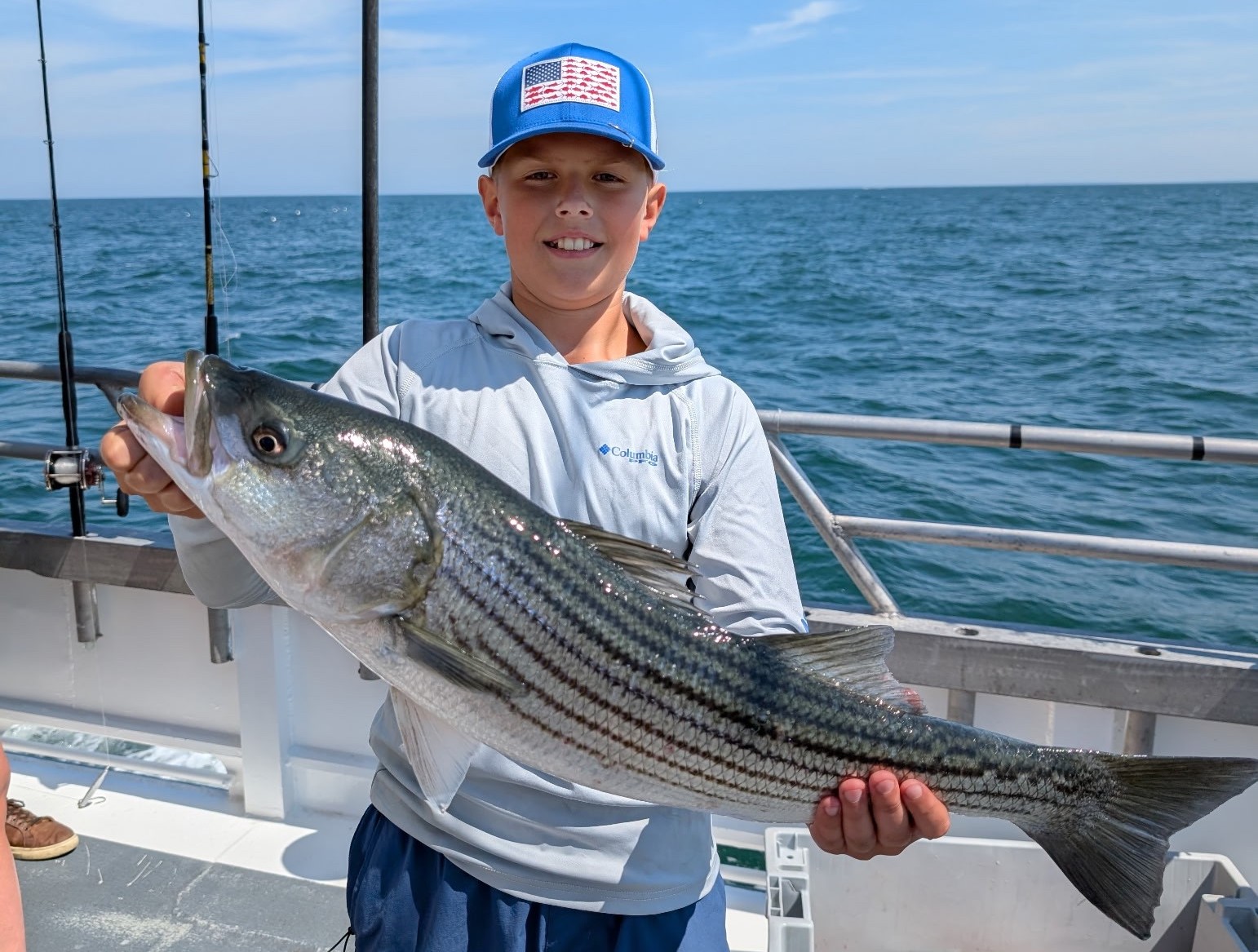
Bait Selection: Green Crabs vs. Asian Crabs

Bait plays a critical role when fishing for blackfish. On most trips, green crabs are the go-to—they’re tough, hold up well in current, and blackfish love them. Cut them in half or quarters depending on the size of the bait and the hook you’re using. On days when the bite is slow or fish are being picky, Asian crabs can be the secret weapon. Smaller and softer than green crabs, they often trigger bites when tautog are shy or pressured. The Blackhawk provides quality bait and the crew is quick to offer guidance on how to cut, hook, and present it for best results.

Mastering the Hook Set: Timing and Sensitivity

Perhaps the biggest challenge when blackfishing is learning when to set the hook. Blackfish are known bait thieves—they’ll nibble and mouth a crab before committing. The key is patience. After the initial tap, wait for a heavier “thump” or steady pull before setting the hook. When you do strike, it needs to be firm and quick. Many anglers miss fish by either swinging too early or waiting too long. Sensitivity in your rod and staying in contact with your bait are critical. The crew on the Blackhawk is constantly reminding anglers to feel for that right moment and will walk you through it until you get it down.

Maximizing Your Catch on a Party Boat

Understanding Tides and Bottom Features

Blackfish are heavily influenced by tide movement and the structure on the ocean floor. As the tide changes, they move in and out of rocky crevices, feeding more actively during incoming and outgoing flows. On a party boat like the Blackhawk, the captain will anchor over productive bottom based on tide stage, current strength, and fish-holding structure. Knowing when bites are likely to pick up can help you stay alert and ready. Position your bait close to rocks or ledges—tautog won’t travel far to feed, so accurate placement is key. The crew often explains where your rig should sit based on the structure below, so don’t hesitate to ask.

Importance of Following Crew Instructions

One of the most important things you can do on a party boat is listen to the crew. These folks are out there every day and know exactly how tautog are biting, where they’re holding, and what rigs are working. Whether it’s how to drop your bait, how much weight to use, or when to set the hook, following their advice will save you time and frustration. On the Blackhawk, the mates make their way around the boat to help each angler fine-tune their approach, offering real-time pointers that can mean the difference between an empty hook and a full cooler.

Patience and Strategy: Key to Successful Fishing

Tautog fishing isn’t about fast-paced action—it’s about precision and patience. Getting bites may take time, especially when the current shifts or fish are finicky. Stay focused, keep your line tight, and don’t constantly reel up and reposition your bait unless you’re snagged. If you’re not getting bites but others nearby are, consider asking the crew to check your rig or suggest a change. Sometimes a small tweak makes all the difference. Avoid chasing the bite by hopping spots on the rail too often—on a party boat, steady effort in one good spot is often better than constant moving.

blackfish season ct

Post-Catch Procedures and Tips

Measuring and Adhering to Size Limits

After landing a blackfish, the first step is to make sure it’s a legal keeper. In Connecticut, the minimum size limit is typically 16 inches, though this can vary slightly depending on current regulations. The Blackhawk crew provides measuring devices on board and will help verify your catch before it goes into the cooler. It’s important not to guess—blackfish have to be measured from the tip of the snout to the end of the tail, with the tail compressed. Undersized fish must be released immediately and carefully to ensure survival. Following size and bag limits isn’t just about the rules—it helps sustain the fishery for future trips.

Utilizing Onboard Fish Cleaning Services

One of the benefits of fishing on the Blackhawk is the convenient fish cleaning service provided after the trip. Once your catch has been measured and kept on ice, the mates will fillet your blackfish for you as the boat heads back to port. They use sharp knives and clean stations to ensure neat, boneless fillets ready for cooking. Tips are appreciated for this service, and most anglers find it well worth it to avoid the mess at home. If you prefer to clean your own fish, you’re welcome to take them whole, but it’s nice to have the option to go home with bagged fillets and skip the cleanup.

Cooking Tips for Preparing Blackfish at Home

Blackfish are known for their dense, white meat and clean flavor, making them excellent table fare. Once filleted, you can grill, bake, fry, or even use them in chowder or tacos. One of the simplest methods is to season the fillets with salt, pepper, and lemon, then pan-sear or bake until golden. Because the meat is firm, it holds up well in a fish stew or curry. It’s also a favorite for stuffing with breadcrumbs, herbs, and crabmeat. However you prepare it, fresh blackfish is a reward in itself—and a great reason to book another trip once the cooler’s empty.

Planning Your Trip During Blackfish Season

Optimal Booking Times and Managing Crowds

Blackfish season in Connecticut—especially in the fall—is one of the busiest times for party boats, so planning ahead is essential. The peak months are October and early November, when both fish activity and angler interest are high. Weekends fill up quickly, so booking your spot on the Blackhawk early is recommended. If your schedule allows, weekday trips often offer a less crowded experience and more rail space, which can lead to better fishing. Monitoring the weather and tide charts can also help you choose a productive day. The earlier you book, the more flexibility you’ll have to pick ideal conditions.
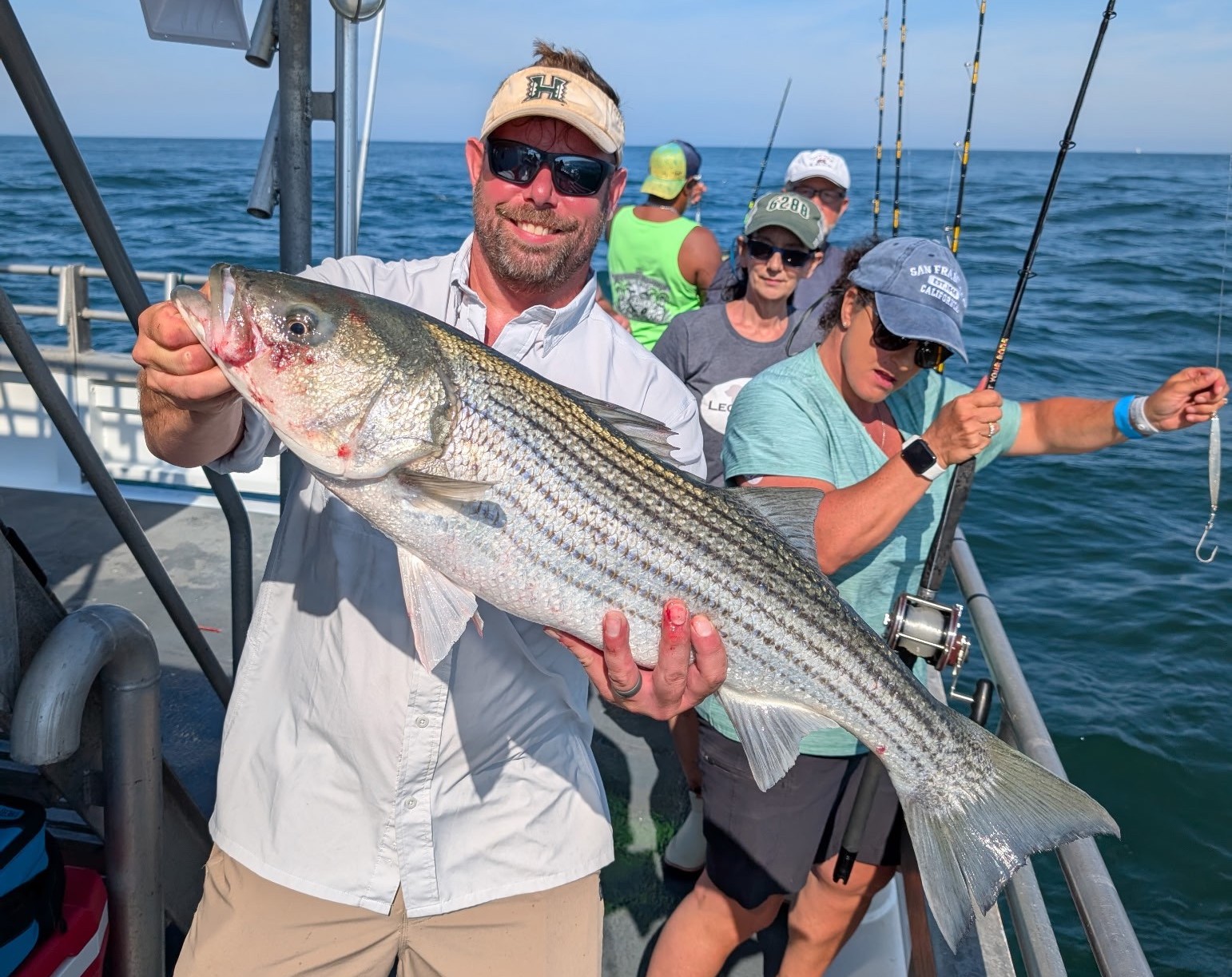
What to Expect in Terms of Costs and Inclusions

Trip pricing on the Blackhawk is competitive and includes access to some of the best blackfish grounds in the region. The fare typically covers the boat ride, access to bait (like green crabs), and helpful instruction from the crew. Rod and reel rentals are available for a small fee if you don’t have your own gear. Fish cleaning is also offered on the ride back to the dock and is included in the experience, though tipping the mates for their hard work is customary. Bringing cash for tips, snacks, or drinks onboard is a good idea, as not all purchases may accept cards.

Preparing for Weather and Sea Conditions

Fall weather in Connecticut can be unpredictable, so it’s smart to come prepared. Dress in layers with waterproof outer gear to handle wind, spray, and changing temps throughout the day. Rubber boots or deck shoes with good grip are recommended, and don’t forget sunscreen—even on overcast days. Motion sickness can be an issue for some, so consider taking precautions ahead of time if you’re unsure how you’ll feel on the water. The Blackhawk crew keeps a close eye on forecasts and will cancel trips for safety, but being personally prepared helps ensure a comfortable, productive day on the water.

Final Thoughts from the Captain

Emphasis on Safety and Customer Satisfaction

Captain Greg Dubrule and the crew of the Blackhawk prioritize safety above all else. From the moment you step on board, clear safety protocols are in place—life jackets are available, and the crew is trained in emergency procedures. The boat is U.S. Coast Guard inspected and maintained to the highest standards. But safety goes hand-in-hand with customer experience. Whether it’s your first blackfish trip or your fiftieth, the goal is to make sure everyone has a good time. That means clear instructions, friendly support, and a crew that wants to see every angler succeed. If you need help, don’t hesitate to ask—they’re there for you.

The Blackhawk Commitment to Community and Conservation

Beyond running successful trips, the Blackhawk team is deeply involved in the fishing community. From youth fishing programs to supporting marine conservation efforts, the operation has a long-standing reputation for giving back. Captain Greg often speaks about the importance of sustainable fishing practices—like following size and bag limits—not just to meet regulations but to protect the fishery for the next generation. The boat’s practices reflect that commitment, encouraging catch-and-release when appropriate and always following Connecticut DEEP guidelines. It’s a point of pride for both the crew and the regulars who fish aboard.

Encouragement for First-Time Anglers

If you’ve never been blackfishing before, don’t let that stop you from booking a trip. The Blackhawk is one of the most beginner-friendly boats on the Sound. The crew takes time to walk new anglers through every step—from setting up gear to reading the bite. You’ll be surprised how quickly you pick it up. Tautog can be tricky, but the learning curve is part of the fun, and there’s nothing like landing your first keeper. The captain and crew enjoy seeing first-timers succeed just as much as the seasoned regulars. Everyone starts somewhere, and the Blackhawk is a great place to start.

Book Your Blackfish Trip with Blackhawk Sport Fishing

Blackfish season in Connecticut offers one of the most rewarding saltwater fishing experiences on Long Island Sound, especially when you know where to go and how to fish. From understanding the seasonal regulations and prime fishing conditions in Niantic to using the right rigs and bait, this guide has covered everything you need to make the most of your trip. We’ve also broken down what to expect aboard the Blackhawk, including gear, techniques, and tips for both new and experienced anglers. Whether you’re chasing your first tautog or adding to your limit, timing, preparation, and support from a knowledgeable crew make all the difference.

Ready to get in on the action? Book your blackfish trip today with Blackhawk Sport Fishing and experience firsthand why anglers from all over New England keep coming back each season.

Deep Sea Fishing Party Boat in Niantic, Connecticut


If you’re looking for an exciting way to experience the excitement of deep sea fishing in Niantic, Connecticut, booking a party boat charter is a fantastic option. Deep sea fishing party boats are popular for their affordability, group-friendly atmosphere, and the opportunity to catch a variety of fish species like striped bass, bluefish, and sea bass. Whether you’re an experienced angler or a first-timer, these trips offer an unforgettable adventure out on the open water. 

We’ll cover everything you need to know about deep sea fishing party boats — from what to expect on board and the types of fish you can catch, to tips for choosing the right charter and ensuring a successful trip. If you’re planning a fishing outing in Niantic, this guide will help you prepare for an exciting and rewarding experience.

Why Choose a Deep Sea Fishing Party Boat in Niantic?

Niantic, Connecticut, offers excellent opportunities for deep sea fishing thanks to its location along Long Island Sound. Choosing a party boat for your trip comes with several benefits that make it a smart choice for both seasoned anglers and beginners.

Accessibility and Convenience

Niantic’s marinas provide easy access to popular fishing grounds, minimizing travel time. Many charters offer flexible trip options, from half-day to night fishing, accommodating various schedules. Most boats supply fishing gear, bait, and tackle, so there’s no need to bring your own. Additionally, parking near charter locations is typically hassle-free, adding to the overall convenience.

Ideal for Groups and Families

Party boats are perfect for group outings, with capacities ranging from 20 to 50 passengers. They offer a cost-effective alternative to private charters, making deep sea fishing accessible to families and casual anglers. Onboard amenities like shaded seating, restrooms, and snack bars ensure a comfortable experience for all.

Experienced Captains and Crew

Niantic’s party boats are led by skilled captains and experienced crews who know the local waters well. They guide passengers in setting up lines, baiting hooks, and using effective techniques. Safety is a priority, with crew members trained in emergency protocols. Their expertise maximizes your chances of landing a quality catch while ensuring a safe, enjoyable experience.

deep sea fishing party boat

Types of Fish You Can Catch on a Deep Sea Party Boat

Niantic’s coastal waters are home to a wide range of fish species, making it a top destination for anglers seeking variety and excitement. Depending on the time of year, your deep sea party boat trip could deliver everything from hard-fighting striped bass to bottom-dwelling blackfish. Understanding the seasonal patterns and preferred techniques for these fish can greatly improve your odds of success.

Seasonal Fish Species in Niantic Waters

Spring and early summer mark the arrival of striped bass fishing Long Island and bluefish. Striped bass are highly sought after in the region, known for their powerful runs and impressive size, with some reaching over 40 pounds. Bluefish are aggressive feeders that strike hard and put up a fight, making them a favorite among anglers looking for action.

During the height of summer, fluke (summer flounder) and porgy (scup) become primary targets. Fluke are bottom dwellers that require precise technique to hook successfully, while Long Island porgy fishing is plentiful and provide steady action throughout the day. Both species are excellent for anglers of all experience levels, with porgy offering a particularly family-friendly fishing experience.

In the fall, black sea bass and tautog (also known as blackfish) are abundant. Black sea bass are known for their tasty fillets and can often be found around rocky reefs or wreck sites. Tautog, on the other hand, are prized for their challenging fight and require patience and skill to reel in successfully. These powerful bottom fish are often found near heavy structure, testing anglers’ ability to manage strong strikes.
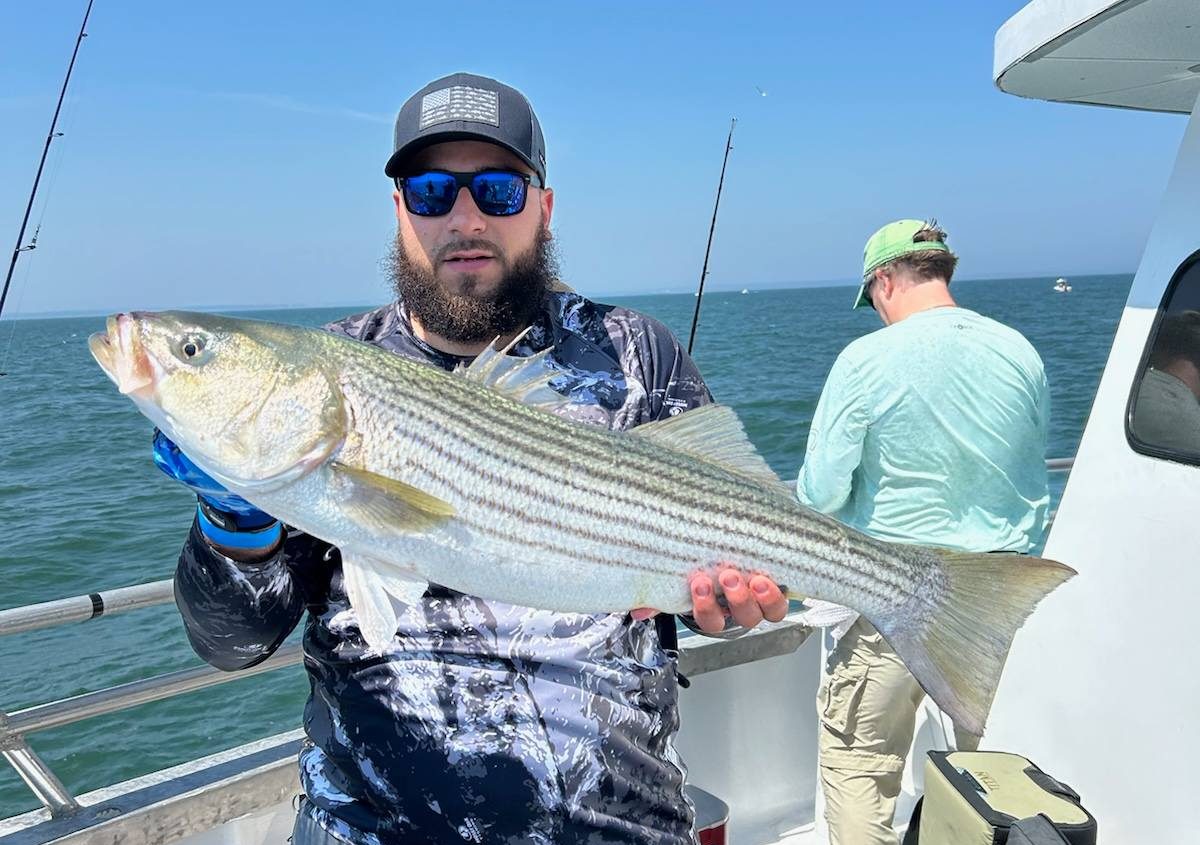
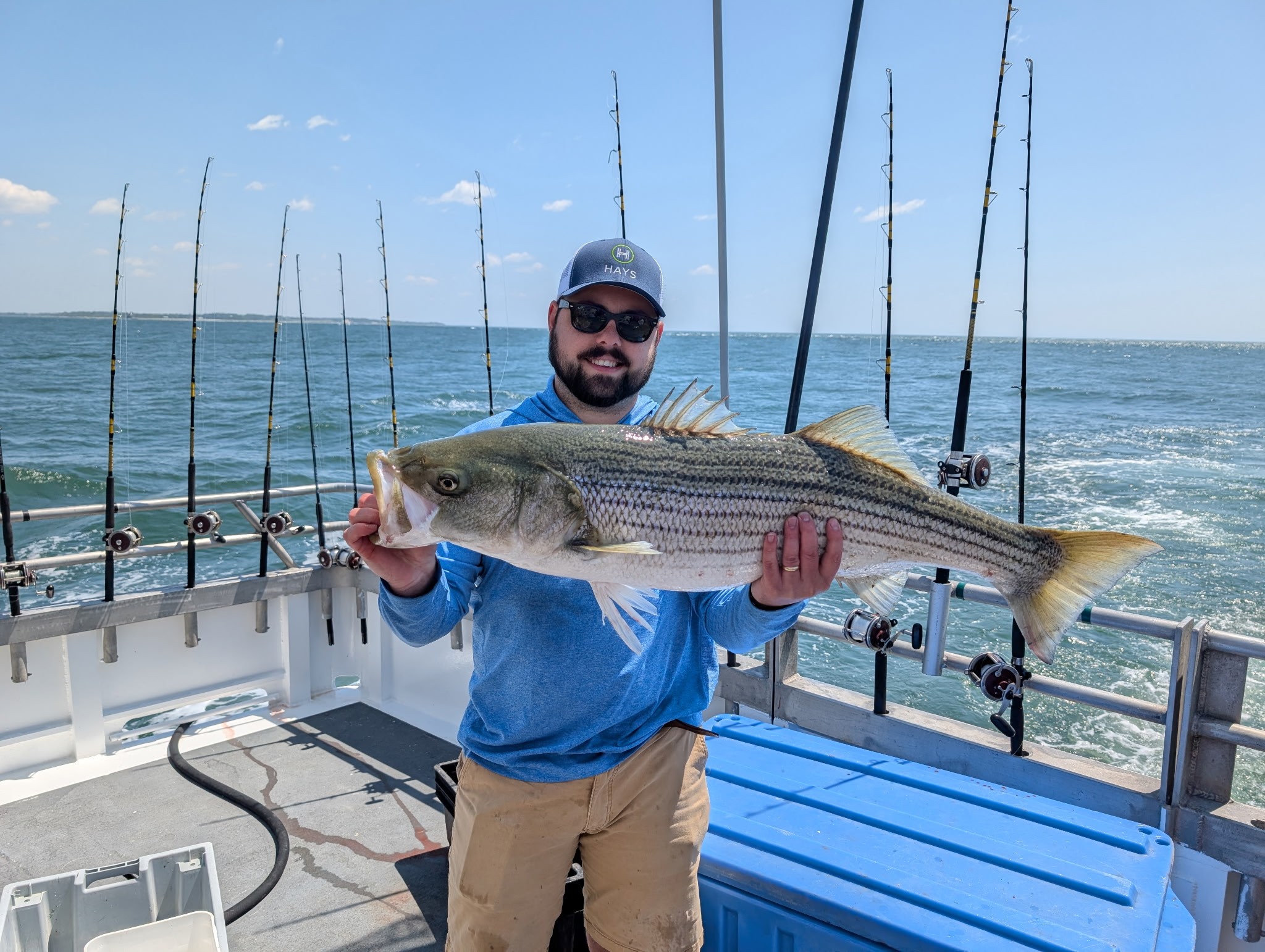
While winter fishing is quieter in Niantic, cod fishing offers a rewarding challenge for those willing to brave colder conditions. Cod are commonly found in deeper offshore waters during the colder months, and they are highly valued for their firm, flaky meat. Party boat charters equipped for longer offshore trips provide excellent opportunities to target these fish during the winter season.

Best Baits and Techniques for Targeted Species

Using the right bait and fishing methods can make a big difference when targeting different species on a deep sea party boat. During striped bass season Long Island, they respond well to live bait like bunker or eels, especially during low light hours when they are most active. Trolling with weighted lines is another effective method for finding larger bass in deeper water.

Bluefish are known for their aggressive feeding habits and often strike fast-moving lures such as spoons or topwater plugs. Because of their sharp teeth, anglers are encouraged to use wire leaders to prevent break-offs.

Fluke are best caught using drift rigs baited with squid strips, spearing, or small baitfish. Since fluke stay close to the ocean floor, maintaining contact with the bottom is essential. Slow, steady drifts are often the most productive way to hook these fish.

For porgy, simple baited hooks with small pieces of clam or squid are highly effective. Because porgy gather in large schools, anglers can often enjoy consistent action throughout the trip at various Long Island porgy fishing spots.

Black sea bass are commonly caught using baited rigs with squid, clams, or cut bait. Jigging techniques are also popular when fishing around rocky reefs or wreck structures. Tautog require a more precise approach, with green crabs or Asian crabs presented near rocky ledges or reef piles being the most effective. Strong hooks and heavier lines are recommended to handle tautog’s powerful strikes and their tendency to dive back into cover.

When targeting cod during winter, anglers typically use cut bait, clams, or heavy jigs. Since cod are found in deeper offshore waters, deep drop rigs are essential for reaching the ocean floor where these fish tend to gather.

deep sea fishing party boat

What to Expect on Your Deep Sea Fishing Adventure

A deep sea fishing party boat trip in Niantic, Connecticut, offers a fun and rewarding experience for anglers of all skill levels. Whether you’re experienced or stepping aboard for the first time, understanding what to expect can help you prepare for a smooth and enjoyable outing. From boarding to landing your catch, knowing the typical process ensures you make the most of your adventure.

The Onboard Experience

Most deep sea fishing party boats are designed for comfort and convenience. Upon boarding, you’ll find designated fishing stations along the boat’s railings, each equipped with a rod holder and space for your gear.

Many boats feature shaded seating areas for breaks from the sun, onboard restrooms, and sometimes snack bars or drink services. Some charters sell food, while others recommend bringing your own snacks and beverages — check with your charter in advance.

The crew plays a key role in ensuring a positive experience. They assist with setting up rigs, baiting hooks, and ensuring everyone understands local fishing regulations. Their guidance is especially helpful for beginners. Crew members also monitor weather conditions and adjust the trip as needed to maintain safety and comfort.

Step-by-Step Process of Your Trip

Your trip typically begins with check-in at the marina. Arriving early allows time to park, gather your gear, and attend a safety briefing. During this briefing, the captain covers safety protocols, boat layout, and fishing tips to prepare you for the trip.

Once the boat departs, the crew often demonstrates fishing techniques for the day’s target species. If you’re new to deep sea fishing, following these instructions can significantly improve your chances of success.

The travel time to the fishing grounds varies based on the targeted species and conditions. For some trips, fishing may start within 30 minutes, while others may require an hour or more to reach deeper waters.

Once at the fishing spot, the crew will signal when it’s time to drop lines. Throughout the trip, they’ll offer tips, help untangle lines, and assist in landing fish. When you reel in a catch, they may net or gaff it safely and advise on size limits and regulations.

Most charters offer onboard fish cleaning services, so you can leave with fresh fillets ready for cooking. Bringing a cooler to transport your cleaned fish is recommended.

As the trip ends, the captain will call for lines to be reeled in before heading back to the marina. The crew may assist with cleaning the boat, distributing your catch, and answering any final questions.

deep sea fishing party boat

Choosing the Best Deep Sea Fishing Charter in Niantic

Choosing the right deep sea fishing charter in Niantic is key to ensuring a successful and enjoyable experience. With various options available, it’s important to consider key factors to find a charter that suits your needs, skill level, and fishing goals.

Factors to Consider

The experience of the captain and crew is crucial. Look for captains with a strong reputation and extensive knowledge of Niantic’s waters. An experienced captain understands fish patterns, tides, and weather conditions, increasing your chances of a productive trip.

Boat size and amenities are also important. Larger boats offer greater stability and may include restrooms, seating areas, and snack bars. Smaller boats may offer a more personalized experience but may be less comfortable on longer trips.

Check what gear is provided. Most reputable charters supply rods, reels, bait, and tackle, but confirm these details before booking. Some charters specialize in specific fishing styles, so ensure the trip aligns with your preferences.

Trip options also vary. While some charters offer half-day, full-day, or night fishing excursions, others may focus only on certain durations or target species. Choose a schedule that fits your plans and goals.

Questions to Ask Before Booking

Before booking, ask what’s included in the trip cost. While many charters provide gear, bait, and fish cleaning services, some may charge extra. Knowing these details helps avoid unexpected costs.

Ask about size limits and catch restrictions to ensure your trip follows Connecticut’s fishing regulations. Responsible charters will follow these guidelines closely.

Inquire about the boat’s capacity and amenities. For families or larger groups, choosing a spacious boat with comfortable seating and onboard services can improve your experience.

Lastly, ask about cancellation policies and how the charter handles poor weather. Understanding these terms ensures you’re prepared for unexpected changes.

By researching your options and asking key questions, you can confidently choose a Niantic deep sea fishing charter that offers a memorable and successful experience.

Plan Your Deep Sea Fishing Adventure with Blackhawk Sport Fishing

Deep sea fishing in Niantic offers an exciting adventure for anglers of all skill levels. By choosing a party boat, you’ll enjoy a budget-friendly, group-oriented experience with knowledgeable captains and crew guiding you to the best fishing spots. Knowing what to expect, from the types of fish you can catch to how to prepare for your trip, ensures you’ll have a successful outing. Selecting the right charter, asking key questions, and understanding what’s included in your trip will further enhance your experience.

For an unforgettable day on the water, consider booking your trip with Blackhawk Sport Fishing. Known for their experienced crew, well-equipped boats, and dedication to customer satisfaction, Blackhawk Sport Fishing provides the perfect deep sea fishing adventure in Niantic. Don’t miss out on the chance to reel in striped bass, bluefish, and more — book your Blackhawk Sport Fishing trip today and create lasting memories on the open water!