

Porgy fishing is one of the most accessible and rewarding activities for anglers on the Long Island Sound, and having the right porgy rig setup plays a major role in how successful your day on the water will be. Whether you’re new to bottom fishing or you’ve been filling coolers for years, understanding how to choose the right gear, tie effective rigs, and adjust your approach for changing conditions can noticeably improve your catch rate. In this post, we walk through the essential parts of a porgy rig, the best setups for different situations, how to pick the right bait, and how to fine tune your gear for trips aboard Blackhawk Sport Fishing. By the end, you’ll know exactly how to rig up with confidence for your next porgy trip.
Understanding Porgy (Scup) Behavior and Habitat
Porgy are small but aggressive bottom feeders that often travel in large schools, which creates consistent action for anglers who understand how they move. Their feeding style is quick and deliberate, and they rely on sharp eyesight and strong senses to locate small pieces of shellfish, crustaceans, and worms along the seafloor. This behavior is one of the main reasons anglers need rigs that keep bait close to the bottom while still allowing enough sensitivity to detect the light, rapid taps that porgy are known for.
Porgy typically gather around structure because it offers protection and a steady food source. In places like Long Island Sound, these fish often hold along rock piles, wrecks, ledges, mussel beds, and mixed sand and gravel bottoms. Depth varies by season, but porgy usually stay in water between 15 and 60 feet, shifting slightly deeper when currents increase or temperatures change. They respond well to a stable presentation, which is why rigs that stay near the bottom and withstand current are so effective.
Key points for understanding Long Island porgy fishing spots include:
- They prefer structure where food collects and where they can feed in groups.
- They move throughout the day based on tide direction and bottom movement.
- They rely on precise feeding, making smaller hooks and clean bait presentation important.
Recognizing how porgy behave around structure helps anglers choose the right rig, sinker weight, and hook style. It also explains why staying in contact with the bottom is crucial. When anglers match their rig to porgy feeding habits, the result is more bites and a far better catch rate throughout the trip.
Essential Gear for Porgy Rig Setup
Rod and Reel
Selecting a rod and reel that match Long Island porgy fishing conditions helps anglers feel light bites while keeping control in changing current. A light to medium spinning or small conventional setup works well, with a rod around seven feet that has a sensitive tip. This style of rod allows you to detect quick porgy taps while still providing enough power to manage heavier sinkers or bigger fish mixed into the school. A reel with a smooth drag and enough line capacity for varying depths ensures you can adjust to different spots throughout the day without losing performance.
Line and Leader Material
Braided or fused line in the 14 to 20 pound range is the most common choice for porgy rigs because it offers strong sensitivity and a thin diameter. This helps anglers maintain better contact with the bottom, which is important for detecting strikes and keeping bait in the feeding zone. A fluorocarbon leader, usually around four feet long, is added to improve stealth and abrasion resistance. Fluorocarbon holds up well around rock, shell, and reef structure where porgy like to feed.
Hooks and Sinkers
Hook size and sinker selection directly influence how many fish you put in the cooler. Porgy have small mouths, so smaller bait-holder or beak hooks in the size 1 to 2/0 range are ideal. These hooks present bait cleanly and help increase hook-up ratios. Bank sinkers are the most common choice because they hold bottom well and resist rolling in the tide. Depending on conditions, sinker weights typically range from three to twelve ounces. Carrying a few different sizes ensures you can stay in the strike zone no matter how the current shifts.
When all these pieces work together, anglers get a rig that is sensitive, durable, and efficient for porgy fishing. The right gear makes it much easier to stay connected to the bottom and respond quickly to steady action.
Rig Designs for Porgy Fishing
Standard Hi Low Rig
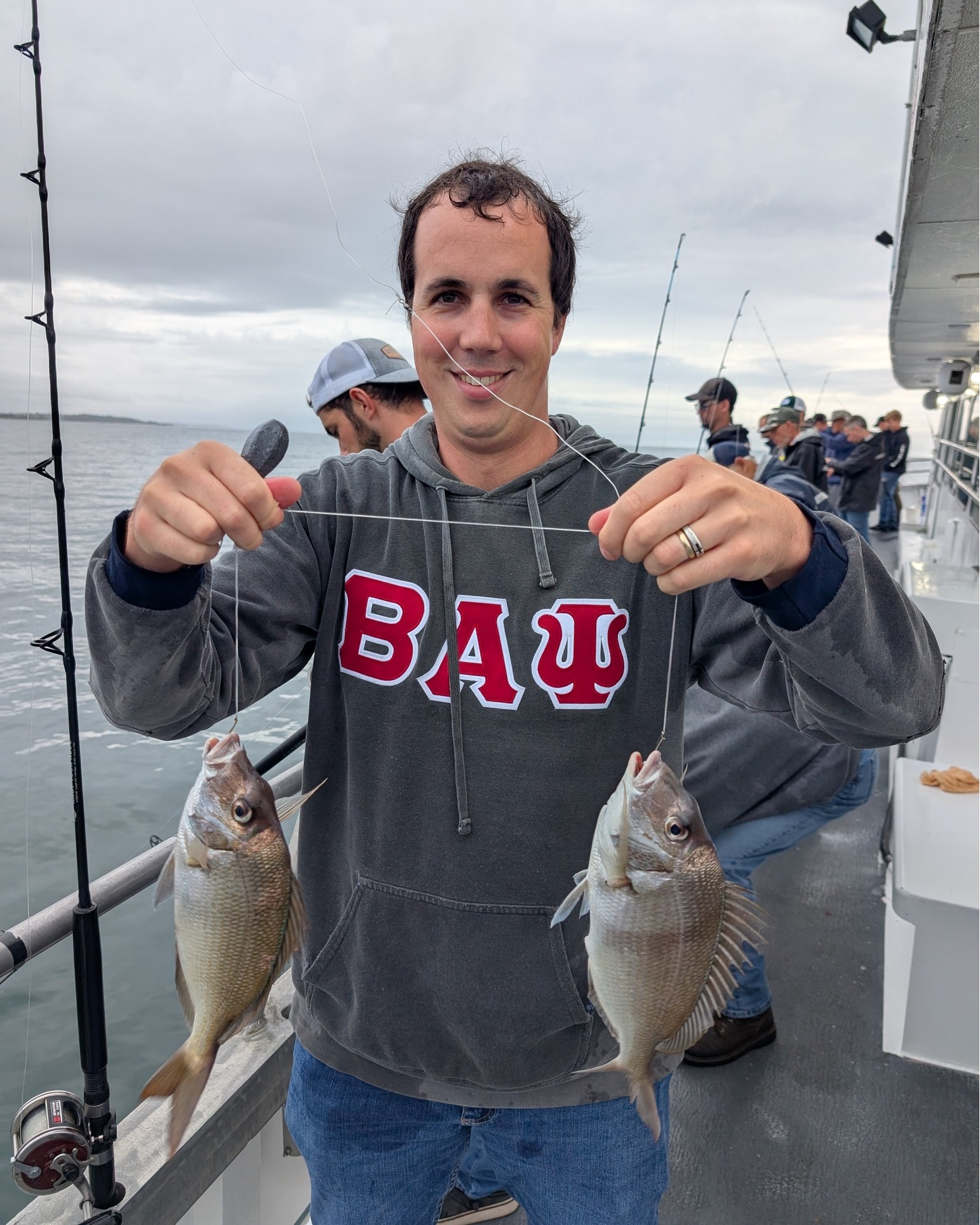
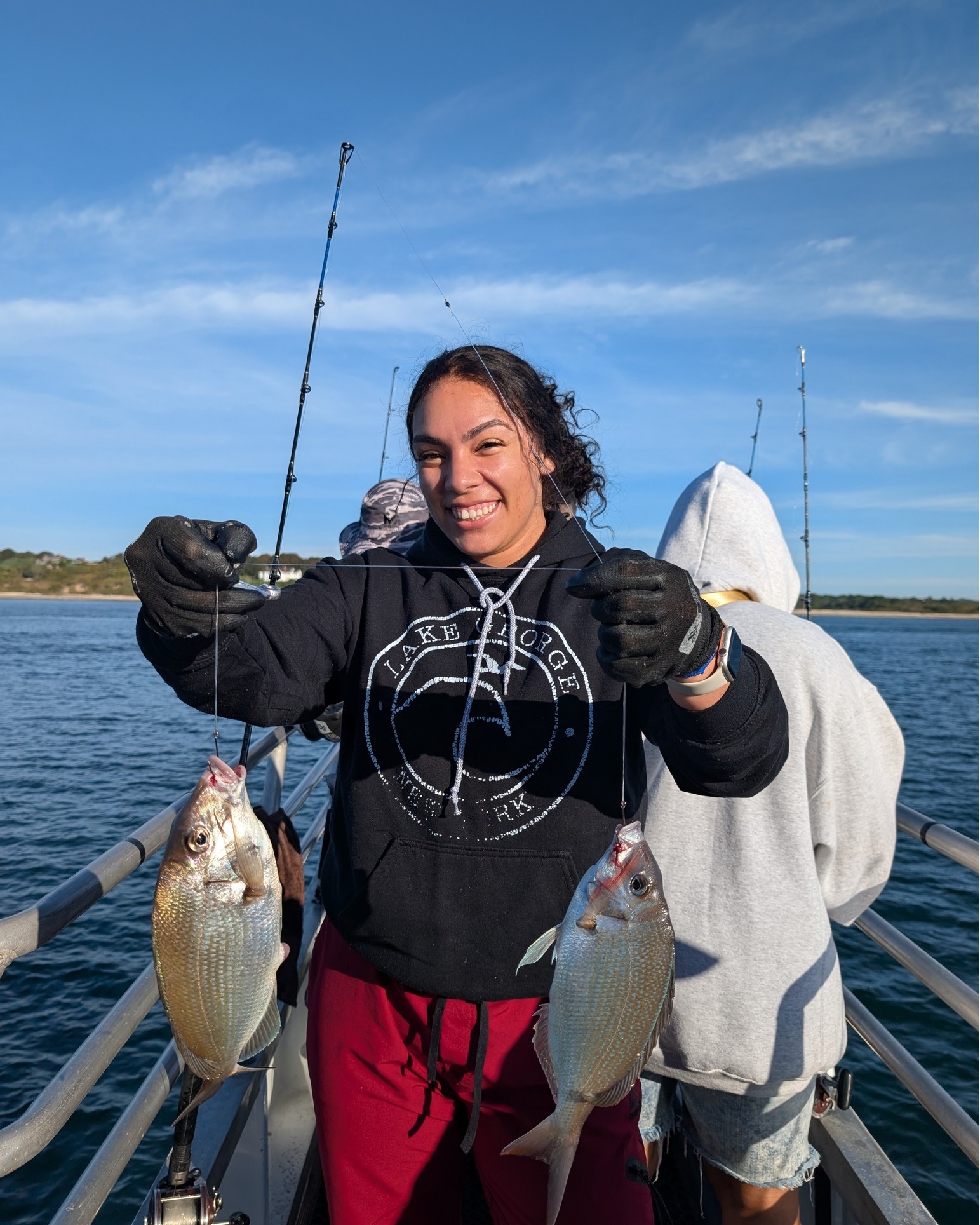
The hi low rig is one of the most dependable setups for porgy fishing because it presents two baits at slightly different heights near the bottom. This increases your chances of finding the level where fish are feeding and can lead to frequent double hook ups when the bite is strong. The rig typically uses two short dropper loops placed eight to twelve inches apart above a bank sinker. Each loop holds a small bait-holder or beak hook that keeps bait positioned close to structure where porgy feed. This rig is simple to tie, easy to manage, and performs well in most conditions found on the Long Island Sound.
Fish Finder Rig
The fish finder rig is a good option when currents increase or when porgy become more selective in how they take bait. This setup uses a sliding sinker on the main line, followed by a swivel and a short fluorocarbon leader that holds one or two hooks. The sliding design allows bait to move naturally while still staying close to the bottom. It also helps porgy take the bait without feeling immediate resistance from the sinker, which can lead to cleaner hook sets. This rig is especially useful when fish rise slightly off the bottom or when you want a more subtle presentation.
Dropper Loop Rig
The dropper loop rig uses multiple loops tied at set intervals above the sinker to present several baits at once. This style covers more of the bottom zone and helps anglers locate fish quickly, especially when porgy are feeding aggressively in large schools. The loops can be spaced as needed, often around twelve to eighteen inches apart. While this rig offers more bait in the water, it also requires careful handling to avoid tangles. It is a productive choice on days when fish are stacked on structure and hitting anything placed in front of them.
Each of these rigs has its strengths, and anglers often switch between them based on current, depth, and how actively the fish are feeding. Knowing when to use each design helps keep your bait in the strike zone and your rods bending throughout the trip.
Bait Selection and Presentation
Natural Baits That Work
Natural bait remains the most reliable choice for porgy, and using the right type can noticeably increase your hook up rate. Fresh or salted clams are a top option because they release scent quickly and stay appealing even in stronger currents. Squid strips, mussel pieces, and sandworms also work well and can be cut into small portions that fit the size of a porgy’s mouth. Many anglers prefer to keep multiple natural baits on hand so they can switch quickly if the bite slows. Since porgy are opportunistic feeders, even a small change in scent or texture can trigger more strikes.
Artificial Options and When to Use Them
Artificial baits and small jigs can be effective when porgy are actively feeding or when natural bait becomes harder to manage. Soft plastics in small sizes, lightweight bucktail jigs, and metal jigs tipped with a small piece of bait can draw attention from fish holding slightly above the bottom. These options work particularly well when porgy are mixed with other bottom species or when anglers want to cover more ground without rebaiting often. While artificials are not always the primary choice, they are valuable tools for testing different presentations and finding what works best on a given day.
Bait and Rig Presentation Tips
How bait is presented is often just as important as the bait itself. Porgy have small mouths and quick feeding habits, so keeping bait pieces small helps increase hook penetration. Clean baiting also matters. Strips of squid should be thin and streamlined, and clam pieces should be secured tightly so they do not fall off during drops or lifts. Anglers can also try alternating baits on a two hook rig to see which option draws more strikes. When the bite is steady, checking and replacing bait frequently ensures each drop gives the best chance for a fish to commit.
With the right selection and careful presentation, your bait becomes far more effective and consistently attracts porgy feeding along the bottom.
Rig Setup Step-by-Step: How to Tie a Porgy Rig for Blackhawk Trips
Materials Checklist
Preparing your materials ahead of time makes the tying process quicker and more organized. Most anglers use a braided or fused main line, a fluorocarbon leader around four feet long, a quality swivel, small bait-holder or beak hooks, and a bank sinker that matches the depth and current for the day. Having scissors, spare leader material, and extra hooks nearby helps you make quick adjustments during the trip. Keeping these items stored in a small tackle tray ensures everything stays within reach and reduces downtime between drops.
Step-by-Step Instructions for a Hi Low Rig
The hi low rig is simple to build and works well on Blackhawk trips because it stays stable near the bottom and offers two clean bait presentations. Begin by tying your main line to a swivel using a strong knot. Attach your fluorocarbon leader to the other end of the swivel and cut it to the preferred length. Form two dropper loops along the leader, placing them roughly eight to twelve inches apart. Attach your hooks to each loop by threading the loop through the eye and pulling the hook through the opening. Tie a bank sinker at the end of the leader and check that each loop hangs freely. A quick test drop in the water can confirm that the rig sits straight and tangle free.
Pre-made Rigs vs DIY Rigs
Both pre-made rigs and hand-tied rigs have a place on porgy trips. Pre-made options save time and are useful when the bite is steady and you want to stay efficient. They typically come with correctly sized hooks and appropriate spacing, which makes them a reliable grab-and-go choice. DIY rigs offer more flexibility and allow anglers to adjust hook spacing, leader length, or sinker style based on the day’s conditions. Many anglers carry both so they can switch quickly if the current changes or if a different presentation becomes more effective. Having options makes it easier to stay prepared and keep your line fishing throughout the trip.
Selecting Rig Style and Adjusting for Conditions
Considering Current, Tide, and Bottom Structure
Choosing the right rig style begins with reading the conditions. Current strength, tide direction, and bottom structure all influence how your bait moves and where porgy hold. In stronger current, a fish finder rig often performs better because its sliding sinker allows the bait to move naturally without getting pushed too far off the bottom. In lighter current, a hi low rig or dropper loop setup keeps bait in the strike zone and provides more consistent presentation. Structure also matters. On rocky or uneven bottom, shorter leaders help prevent snagging, while flatter areas allow for slightly longer leaders that drift more freely. Matching the rig to these conditions helps keep your bait right where porgy expect to find it.
When to Use Multiple Hooks vs Single Hooks
Porgy are known for schooling tightly and feeding aggressively, which is why many anglers use multiple hook rigs to increase their chances of hooking more than one fish at a time. Hi low and dropper loop rigs work well for this because they keep two or more baits in play. Multiple hooks also help anglers test different baits or depths without re-rigging. There are times when a single hook rig is the better choice. In very strong current or around heavy structure, a single hook reduces tangles and gives more control. It is also useful when targeting larger porgy or when anglers want a cleaner presentation with less hardware in the water.
Adjusting between single and multi hook setups allows anglers to stay efficient, respond to changing conditions, and maximize their chances of steady action throughout the day.
On-Boat Strategy — Tips for Charter Clients on Blackhawk Sport Fishing
Fishing aboard a party boat is a shared experience, and having a clear strategy helps you stay efficient and get the most out of each drift or anchor stop. Preparing a few rigs in advance is one of the best ways to stay ready. When the bite is steady, quick changes keep your line in the water instead of on the bench. Carrying extra sinker sizes, spare hooks, and pre-tied leaders allows you to adjust instantly if the current shifts or the captain moves to a new depth.
Paying close attention to your rod tip is another key habit. Porgy often strike with small taps before committing, and a sensitive rod helps you detect these early signs. Once hooked, steady pressure and a controlled lift keep the fish from shaking free. If you hook one fish on a multi hook rig, keeping the rig in the water for a moment can lead to a second fish joining before you reel up.
Staying organized at your rail spot also makes a difference. Keeping your bait, tackle, and tools within reach prevents tangles and saves time between drops. Communicating with nearby anglers helps everyone avoid crossed lines, especially during strong currents or when multiple people hook up at once. Listening to the crew and watching how experienced anglers approach each drift provides useful cues that can improve your technique.
Overall, being prepared, staying aware, and adapting quickly will lead to more fish in the cooler and a smoother experience on the water with Blackhawk Sport Fishing.
FAQs About Porgy Rig Setup
What is the best rig setup for catching porgy?
The most popular and reliable setup for porgy is the hi low rig because it presents two baits near the bottom where porgy feed. It is simple to tie and works well in a wide range of conditions. Many anglers also carry a fish finder rig or dropper loop rig to adjust as currents change.
What size hooks should I use for porgy fishing?
Porgy have small mouths, so hooks in the size 1 to 2/0 range are the best match. These sizes help present bait naturally while improving hook up rates. Smaller hooks also make it easier to land multiple fish when porgy are schooling.
How heavy should my sinker be for porgy fishing?
Sinker weight depends on depth and current, but most anglers use weights between three and twelve ounces. The goal is to use the lightest weight that still holds bottom without drifting. Bringing multiple sizes ensures you can adapt quickly when the boat moves to a new area.
Is braided line better than monofilament for porgy rigs?
Braided line is typically preferred because it offers greater sensitivity and thinner diameter. This helps anglers feel lighter bites and maintain better contact with the bottom. A fluorocarbon leader is usually added for abrasion resistance and reduced visibility.
Should I tie my own porgy rig or buy a pre-made one?
Both options work well, and many anglers carry a mix of the two. Pre-made rigs save time and are convenient during fast-paced trips. Hand-tied rigs allow you to customize hook spacing, leader length, and sinker size based on the day’s conditions.
What bait works best for porgy fishing?
Fresh or salted clams, squid strips, mussels, and small pieces of worms are among the top natural baits. These options release scent quickly and match what porgy naturally feed on along the bottom. Switching between baits can help determine what fish prefer on a given day.
Mastering Your Porgy Rig Setup for Better Results
A well planned porgy rig setup can make a noticeable difference in how many fish you put over the rail. By understanding porgy behavior, choosing the right gear, selecting the best rig for the conditions, and presenting bait cleanly, you give yourself a major advantage on the water. Small adjustments in sinker weight, hook size, or rig style can keep you in the strike zone and help you stay productive throughout changing tides. Whether you are new to bottom fishing or looking to refine your technique, the tips in this guide provide a clear path to better results. If you are ready to put your setup to the test, book a trip with Black Hawk Sport Fishing and enjoy a day of steady action on the Sound.