
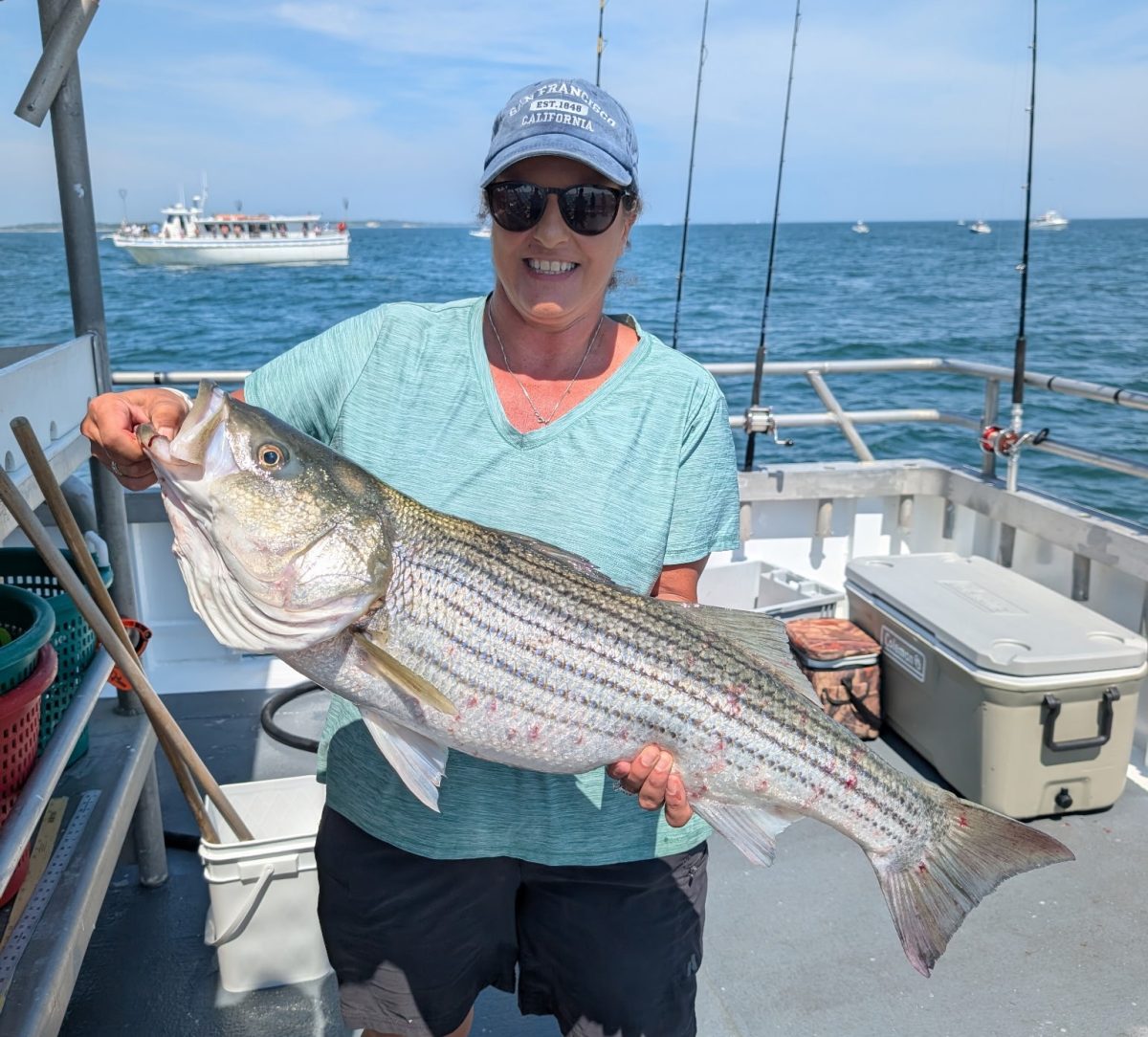
The striped bass season in Long Island Sound is one of the most anticipated times of year for anglers across Connecticut and beyond. These powerful, migratory fish offer exciting action and are a favorite target for both seasoned fishermen and newcomers looking for a memorable day on the water. Knowing when the season opens, what the regulations are, and where the fish are moving can make a big difference in your success. At Black Hawk Sport Fishing, we guide hundreds of anglers each year through these prime months, helping them get on the bite while staying within the rules. In this post, we’ll break down the striped bass season as it applies to Long Island Sound, including key dates, regulations, migration patterns, and the best times to book a trip. Whether you’re planning your first outing or looking to time your return just right, this guide will help you make the most of the striped bass season.
When Is Striped Bass Season in Long Island Sound?
Connecticut vs. New York Regulations
Long Island Sound spans both Connecticut and New York waters, so striped bass season dates can differ depending on where you’re fishing. In Connecticut, the striped bass season typically opens in early May and runs through mid-December. The state enforces a strict slot limit and daily bag limit to help maintain healthy populations. On the New York side, the season generally starts in mid-April and ends in mid-December. While the start date is slightly earlier than Connecticut’s, regulations are similar, especially regarding slot sizes and conservation measures. Because Long Island Sound is a shared fishery, it’s essential to know which state’s waters you’re fishing in and follow the correct rules. Black Hawk Sport Fishing operates primarily under Connecticut’s regulations but is always aware of nearby boundaries to ensure all anglers stay compliant.
2025 Season Calendar (Most Recent Regulations)
For the 2025 season, Connecticut’s regulations allow for striped bass fishing from May 1 to December 15. Anglers are allowed one fish per day, with a slot size of 28 to 31 inches, consistent with Atlantic States Marine Fisheries Commission guidelines. New York’s season is scheduled to open on April 15 and will run through December 15, also with a one-fish daily limit and the same 28 to 31 inch slot. These shared rules help reduce confusion and promote consistent conservation practices across the Sound. Black Hawk trips are scheduled to align with these season dates, and the crew provides all necessary updates onboard as rules evolve. Whether you’re fishing early in the spring or closing out the season in late fall, understanding these seasonal windows ensures you’re prepared, legal, and ready to enjoy some of the region’s most exciting inshore fishing.
Striped Bass Migration in Long Island Sound
Seasonal Movement Patterns
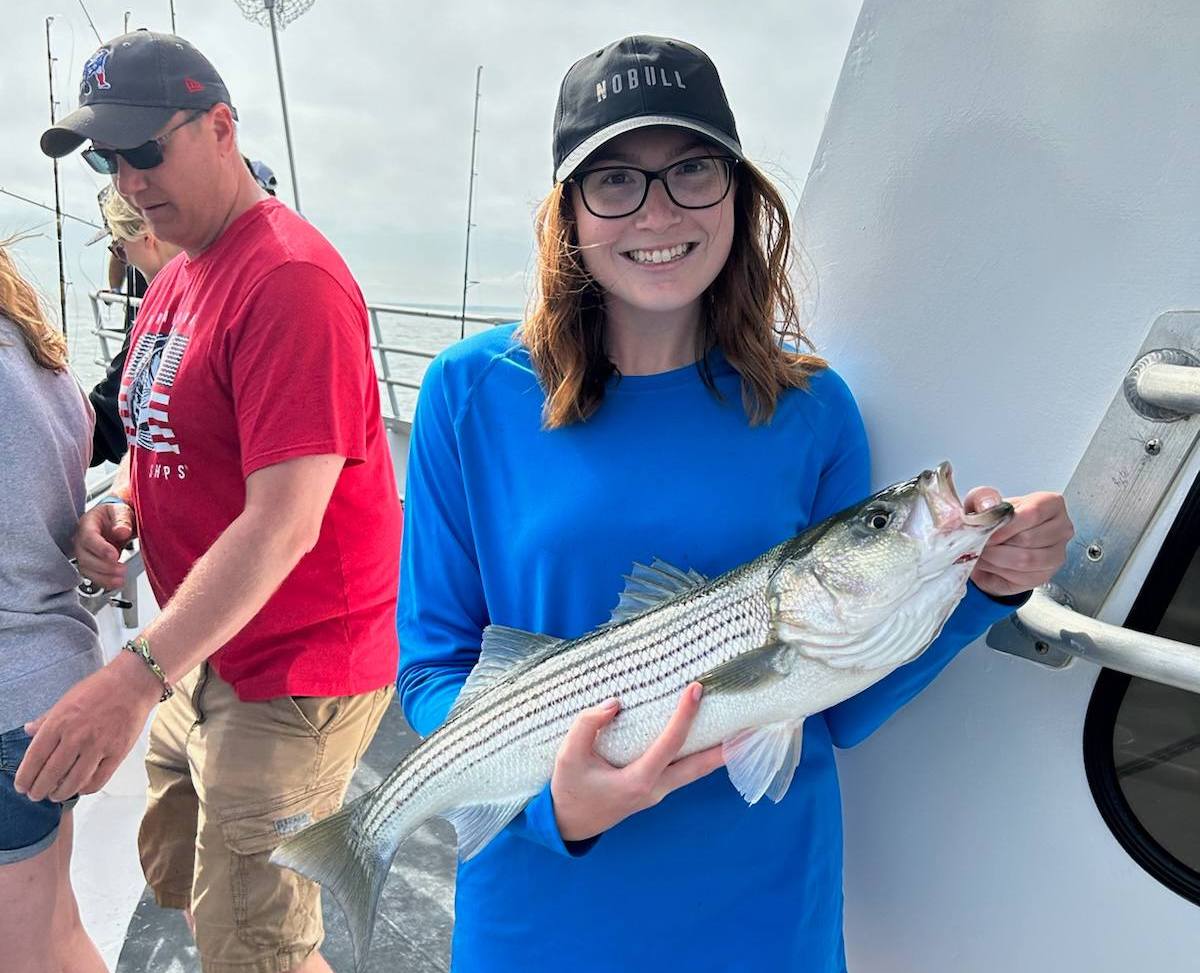
Striped bass are a migratory species, meaning their presence in Long Island Sound follows a seasonal pattern driven by saltwater temperature, daylight length, and the availability of baitfish. Each spring, stripers move north for spawning from their wintering grounds in the mid-Atlantic, arriving in Long Island Sound as waters warm to around 50 degrees. This usually happens in April in the western Sound and by May in eastern areas closer to Niantic. As summer progresses, larger schools settle into the area, chasing schools of bunker, herring, and other baitfish. By late fall, usually around November, stripers begin their migration south toward deeper, warmer waters. Understanding these migration cycles helps anglers anticipate when fish will be most active and where they’re likely to be holding. Black Hawk Sport Fishing uses years of experience and real-time data to stay in step with the striped bass movement throughout the season.
Where to Find Them During the Season
During the early part of the season, striped bass often hold in shallow bays, tidal rivers, and estuaries where water warms up first. Places like the Thames River and the Niantic River can offer excellent early action before the schools spread into deeper parts of Long Island Sound. As summer sets in, stripers shift toward structure, drop-offs, and cooler, deeper channels, particularly during daylight hours. In the evening or early morning, they often feed in shallower areas near shorelines or reefs. Late in the season, as temperatures drop, the fish begin moving west and south, staging near current breaks and drop-offs as they prepare to exit the Sound. Black Hawk trips are scheduled with these movements in mind, often adjusting locations and techniques to match where the bass are feeding most actively. This targeted approach helps anglers make the most of every trip, no matter the time of year.
Size and Slot Limits for Striped Bass
Current Slot Size and Bag Limits
As of the 2025 season, both Connecticut and New York enforce a slot limit of 28 to 31 inches for striped bass, with a one-fish-per-day bag limit. These regulations are in place to protect the most productive age classes of the species while still allowing for recreational harvest. The slot limit is designed to reduce pressure on larger breeding fish, which are critical to sustaining the population. Any striped bass caught outside the legal size range must be released immediately with minimal handling. In addition to size limits, some areas may have specific gear restrictions or seasonal closures to reduce release mortality. Anglers should also note that circle hooks are required when fishing with natural bait, which helps reduce deep-hooking and increases survival rates for released fish. Following these rules ensures that striped bass remain a sustainable resource for future generations.
How Black Hawk Helps Stay Compliant
Black Hawk Sport Fishing takes conservation and compliance seriously. Before each trip, the crew briefs all passengers on the current slot size and bag limits, ensuring that everyone understands the rules. Measuring devices are available onboard, and any questionable fish are carefully checked before being kept. If a fish falls outside the legal slot, the crew assists with proper release techniques to give the fish the best chance of survival. Circle hooks are used with all bait rigs, and the crew is trained to remove hooks quickly and safely. Black Hawk also reports catch data as required by state and federal authorities, contributing to long-term stock assessments. By fishing responsibly and keeping anglers informed, the crew helps protect striped bass populations while still providing exciting, productive trips for clients. Whether you are new to fishing or a seasoned angler, staying within regulations is part of the experience.
Best Time to Book a Charter for Striped Bass
Early Season (May-June)
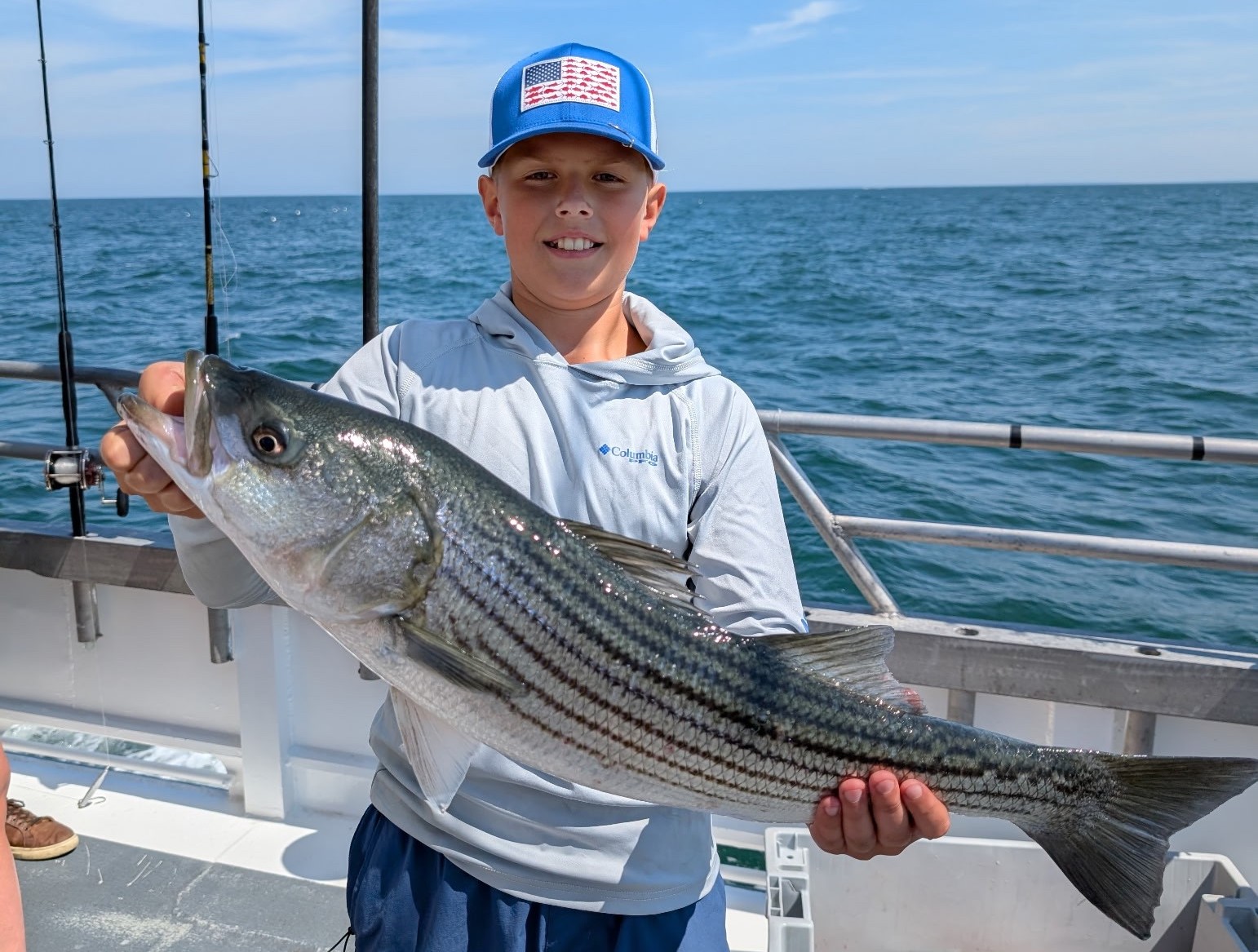
The early part of the striped bass season, typically from May through mid-June, is a great time for anglers looking to get in on the first wave of action. During this period, striped bass are entering Long Island Sound after their spring migration, often following schools of baitfish into tidal rivers and nearshore waters. These fish are active and aggressive, making them more likely to strike at lures and bait. Early season trips tend to see smaller to mid-sized stripers, but with good numbers and steady action. Water temperatures are still warming up, so timing your trip during a rising tide or warmer stretch of weather can increase success. Black Hawk charters during this time often target areas with moving currents and structure, where fish concentrate. For anglers who prefer less crowded boats and cooler conditions, early season trips are a strong choice.
Peak Season (July-September)
From July through September, striped bass fishing in Long Island Sound hits its peak. This is when the largest numbers of fish are present and feeding actively across a range of habitats. Warmer water and abundant bait make for ideal conditions, especially around dawn, dusk, and on overcast days. During this time, anglers often encounter a mix of school-sized and larger slot fish, and some over-slot bass that must be released. Black Hawk charters take advantage of tide cycles, bait movements, and water depth to consistently stay on the bite. This is also when deeper water tactics like chunking or jigging become more productive, especially during midday hours. Summer trips can book quickly, especially on weekends or around holidays, so planning ahead is key. Whether you are targeting your first striped bass or hoping to land a new personal best, this period offers the highest chance of success.
Late Season (October-November)
As the striped bass begin their fall migration out of Long Island Sound, October and November present excellent opportunities for experienced anglers looking for fewer crowds and larger fish. Cooler water triggers increased feeding behavior as the fish prepare to head south. Late-season stripers often stage near drop-offs, current seams, and underwater structure, chasing schools of baitfish before moving offshore. This is a prime time for targeting quality slot fish and sometimes hooking into trophy-sized bass that must be released. The weather can be less predictable during this time, but the action often makes up for it. Black Hawk charters are equipped to handle changing conditions and adjust strategies as needed to find the fish. For those who don’t mind bundling up and enjoy a more focused fishing experience, late-season trips can be especially rewarding. It’s a strong close to the season with a chance at some of the best bites of the year.
What to Expect on a Striped Bass Trip with Black Hawk
Gear and Techniques Used
Black Hawk Sport Fishing provides all the necessary gear for a productive striped bass trip, including rods, reels, bait, and tackle. The crew uses a mix of proven techniques tailored to the time of season and water conditions. Early in the year, light tackle and bait fishing are common, especially in shallower areas where stripers are actively feeding. As the season progresses, methods like jigging, chunking, and trolling become more effective, particularly in deeper water. The boat is equipped with modern electronics to locate schools of fish and monitor structure, improving the chances of consistent action. Circle hooks are used with natural bait to comply with regulations and support catch-and-release practices when needed. Anglers of all skill levels are guided through how to set up, cast, and fight fish, with crew members always ready to assist. This hands-on support ensures everyone has a chance to catch fish confidently and safely.
Who These Trips Are For
Striped bass trips aboard the Black Hawk are designed to be accessible and enjoyable for anglers of all backgrounds. First-time fishermen will benefit from a patient, knowledgeable crew that take time to explain each step of the process, from baiting hooks to reeling in a fish. Families often choose these trips for a fun, interactive day on the water that offers a real chance at landing quality fish. Experienced anglers appreciate the focus on technique, tide timing, and local knowledge that can make or break a trip. The party boat setup also fosters a shared experience among guests, allowing people to learn from one another and enjoy a sense of camaraderie. Trips are suitable for adults and children alike, with safety briefings, Coast Guard-approved equipment, and a comfortable ride. Whether you’re chasing your first striper or adding to your personal best list, a Black Hawk charter offers a well-rounded experience from dock to deck.
FAQs About Long Island Striped Bass Season
When does striped bass season open in Long Island Sound?
Striped bass season in Long Island Sound typically opens in mid-April for New York waters and May 1 for Connecticut. These dates can vary slightly each year based on state regulations. Always check with the latest guidelines before planning your trip.
What is the legal size for striped bass in Long Island Sound?
As of 2025, the legal slot size for striped bass in both Connecticut and New York is 28 to 31 inches. Anglers are allowed to keep one fish per day within that size range. Fish outside the slot must be released immediately and handled properly to ensure survival.
Where are the best places to catch striped bass in Long Island Sound?
Striped bass can be found in tidal rivers, nearshore reefs, drop-offs, and deeper channels throughout the Sound. Early in the season, they hold in shallower waters near estuaries, while summer and fall push them into deeper structure. Experienced charter captains, like those at Black Hawk, target key areas based on seasonal movement and tide conditions.
What bait works best for striped bass in Long Island Sound?
Live bait such as bunker, eels, or mackerel is highly effective, especially when fishing structure or during slower bite periods. Artificial lures like soft plastics, topwater plugs, and jigs also produce results during active feeding windows. The choice of bait often depends on the time of year and water conditions.
Do I need a fishing license to catch striped bass on a party boat in Connecticut?
If you are fishing aboard a licensed party boat like Black Hawk, you are covered under the vessel’s commercial license. Individual passengers do not need to purchase a separate fishing license. The crew handles all compliance and reporting requirements for the trip.
When is the best month to fish for striped bass in Long Island Sound?
June through September is typically considered peak season for striped bass in Long Island Sound. These months offer the best combination of fish numbers, size, and feeding activity. Early fall can also produce strong results as fish begin their southbound migration.
Book Your Striped Bass Trip with Black Hawk Sport Fishing
The striped bass season in Long Island Sound offers anglers a rewarding mix of timing, technique, and local knowledge. Understanding the regulations, seasonal migration patterns, and best fishing windows can help you make the most of every trip. From early spring runs to late fall migrations, Black Hawk Sport Fishing is ready to guide you through the action with expert crews, proven methods, and all the gear you need. Whether you’re new to striped bass fishing or have years of experience, our Niantic-based party boat trips provide a fun, reliable, and well-organized way to get on the water. We stay up to date on size limits, bait trends, and the latest fish movements so you can focus on your catch. Ready to hook into one of the Northeast’s most iconic game fish? Book your striped bass charter with Black Hawk Sport Fishing today.