
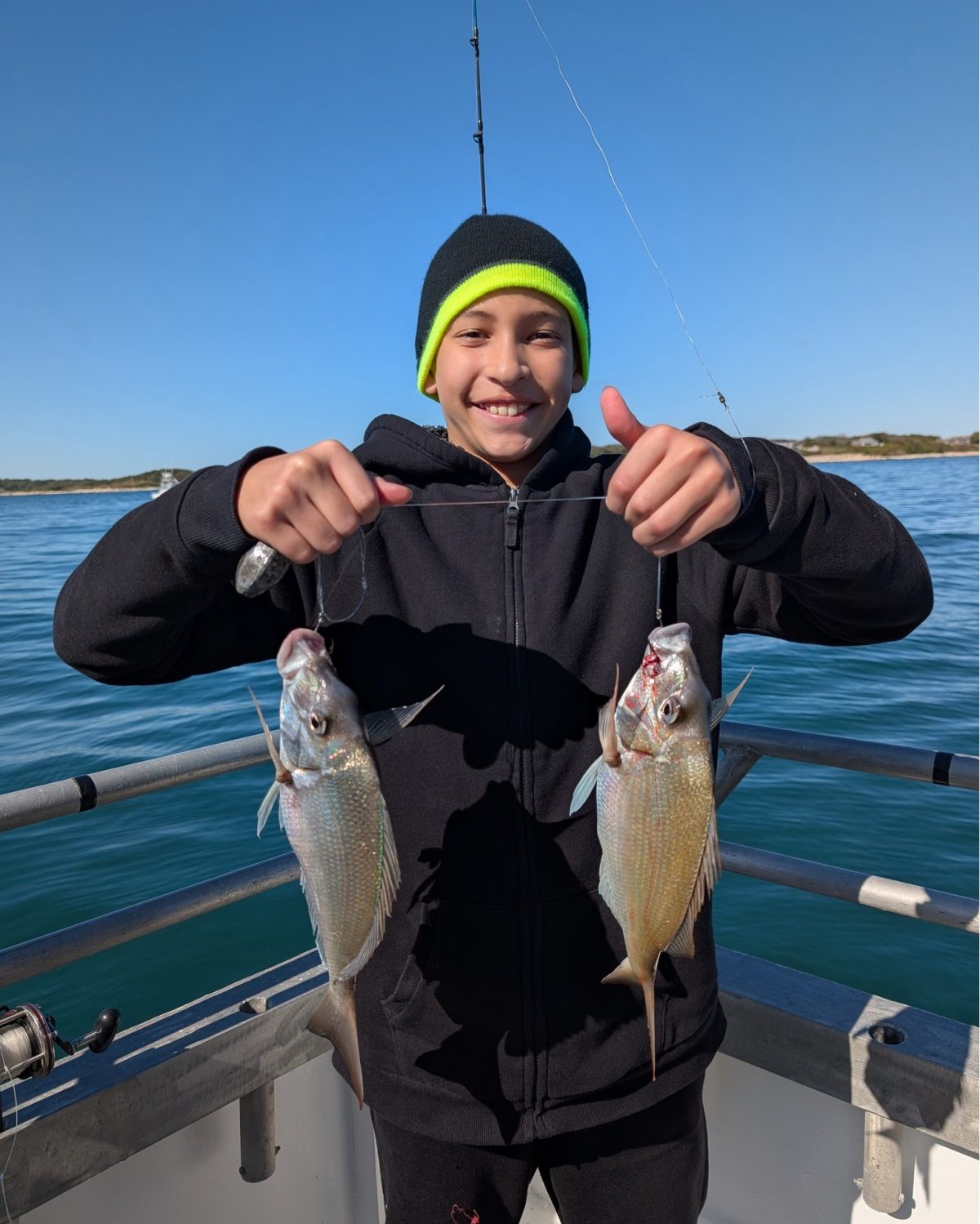
Porgy, or scup, fishing is one of the most popular saltwater activities across Long Island Sound. Known for their steady bite and delicious taste, porgies attract anglers of all experience levels throughout the season. However, understanding the regulations that govern porgy fishing is just as important as knowing where to drop a line. Long Island’s waters fall under specific state guidelines that outline size limits, bag limits, and open seasons designed to keep the fishery healthy for years to come. This guide covers the key Long Island porgy fishing regulations set by New York State, explains how they differ from nearby Connecticut rules, and offers tips on staying compliant when fishing on your own or aboard a licensed charter like Black Hawk Sport Fishing in Niantic.
Understanding Porgy (Scup) and Their Role in the Fishery
What Is a Porgy?
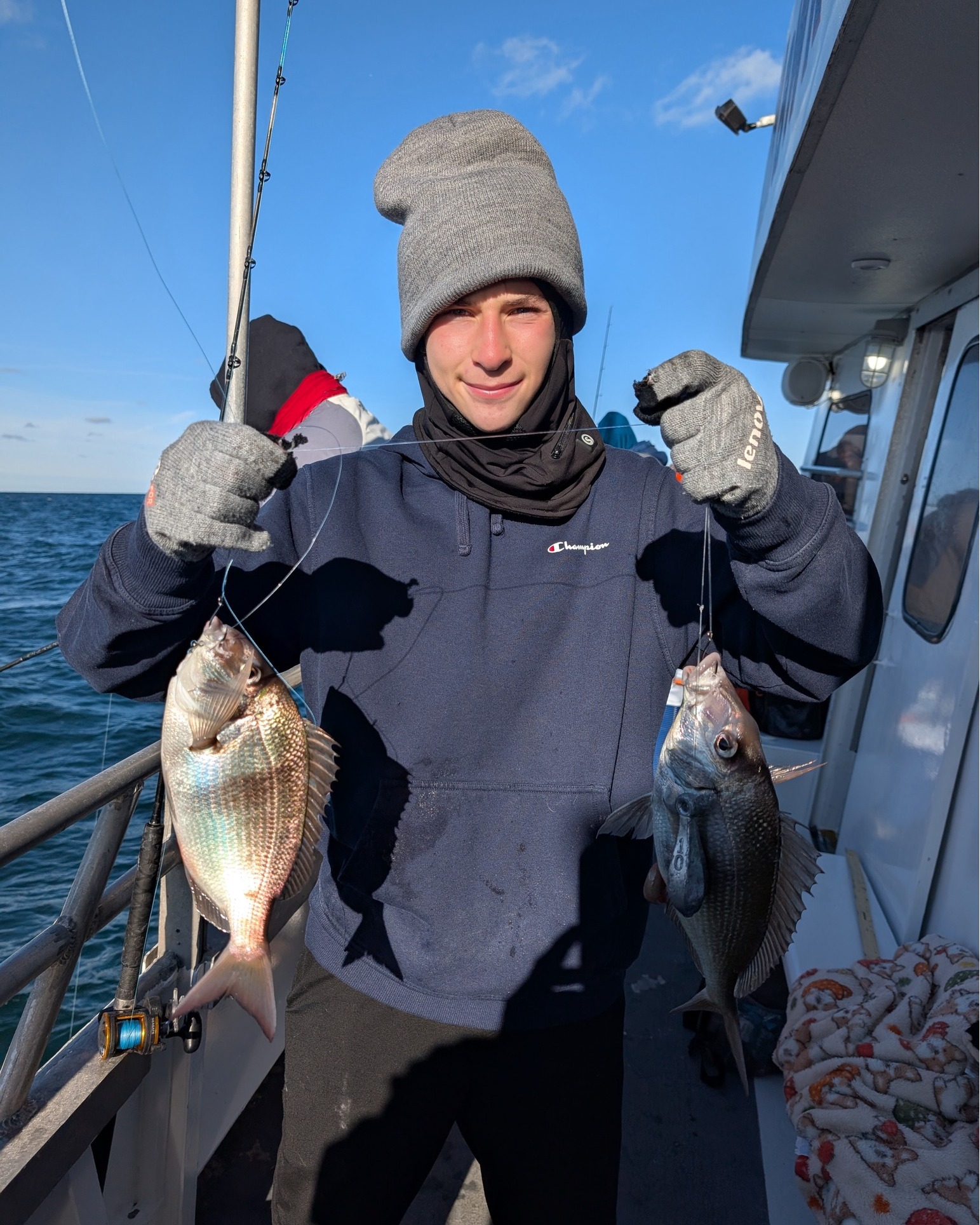
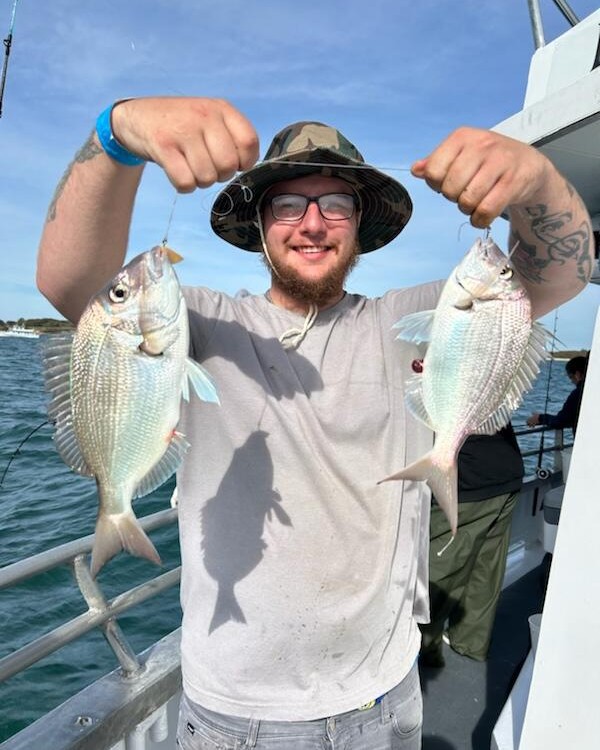
Porgy, also known as scup, are a common saltwater fish found along the Atlantic coast, particularly in Long Island Sound. These fish are known for their laterally compressed, silver bodies and strong, spiny dorsal fins. Most porgies caught by recreational anglers range between 10 and 16 inches in length, though larger specimens occasionally appear in deeper waters. They tend to inhabit rocky bottoms, shell beds, and artificial reefs, feeding on small crustaceans, mollusks, and marine worms.
Because porgies are abundant and aggressive feeders, they are a favorite among anglers of all ages and skill levels. Their abundance makes them ideal for party boat trips, and their mild flavor has earned them a solid reputation as a table fish. For many anglers, porgy season marks the start of summer fishing in Long Island Sound.
Why Porgies Matter to Anglers and the Ecosystem
Porgy play a vital role in both the ecosystem and the local fishing economy. As bottom feeders, they help maintain balance in the marine environment by consuming small invertebrates that live on the ocean floor. Their presence also supports a diverse food web, providing a food source for larger predatory fish and marine mammals.
From an angler’s perspective, porgy are one of the most dependable and accessible fish to target. They offer steady action for families, beginners, and experienced fishermen alike, which supports local charter businesses, tackle shops, and coastal tourism. Maintaining healthy porgy populations is essential for sustaining these economic benefits and ensuring reliable fishing opportunities year after year.
State regulations and catch limits are put in place to protect this balance. By following them, anglers contribute directly to preserving a sustainable fishery that benefits both people and the environment.
Long Island Porgy Fishing Regulations Explained
Minimum Size Limits
In New York marine waters, porgy must meet specific size requirements before they can be kept. The New York State Department of Environmental Conservation (NYSDEC) currently sets the minimum size limit at 9.5 inches for anglers fishing from shore or private vessels. For those fishing aboard licensed charter or party boats, the minimum size increases to 11 inches.
The difference in size limits helps maintain fair access between recreational shore anglers and those on for-hire trips while protecting younger fish that have not yet spawned. Measuring fish correctly is essential, using a straight line from the tip of the snout to the end of the tail. Keeping undersized fish can result in fines, so it’s best to double-check before adding a catch to your cooler.
Bag and Possession Limits
Bag limits determine how many porgies an angler may legally keep in one day. For most recreational anglers, the daily limit is 30 fish per person. However, those fishing on licensed for-hire boats enjoy an increased limit of 40 fish per person during a specific bonus period from September 1 through October 31. Outside of that window, the standard 30-fish limit applies.
These limits are designed to balance opportunity with sustainability. Charter captains are responsible for monitoring catches on their vessels to ensure anglers remain within legal limits. Following these rules keeps harvest numbers in check while still allowing for an enjoyable and rewarding day on the water.
Open Season and Closed Periods
In New York, porgy fishing is open year-round, allowing anglers to target this species throughout the calendar year. While the regulations do not designate a closed season, fishing tends to peak during the warmer months when porgies move inshore to feed and spawn. Spring through fall is considered prime time around Long Island Sound, with the most consistent catches occurring between May and October.
Although the season remains open, it’s important to remember that limits and size rules can change based on updated stock assessments. Checking NYSDEC’s official site before heading out ensures you are aware of the most recent adjustments. Regulations are typically reviewed annually to reflect the health of the fishery.
Rules for Charter and Party Boat Anglers
For-hire vessels such as charter and party boats follow slightly modified rules that allow for greater catch opportunities under regulated conditions. During the September through October bonus period, anglers on these boats can keep up to 40 porgies per day, provided they have a dated fare receipt from the licensed operator. This documentation serves as proof of compliance during enforcement checks.
Licensed captains are required to maintain detailed trip logs and follow strict guidelines issued by the NYSDEC. These measures help ensure accurate reporting of catch data and proper management of the fishery. For anglers, booking with a reputable operation like Black Hawk Sport Fishing ensures all regulations are followed correctly. The crew handles measuring, recording, and enforcing limits so everyone can enjoy a safe, legal, and productive trip on Long Island Sound.
Connecticut vs. New York: Which Regulations Apply in Long Island Sound?
Understanding State Boundaries on the Water
Long Island Sound sits between Connecticut and New York, which means anglers often fish waters shared by both states. Knowing which regulations apply depends on where you are fishing. Each state manages its own section of the Sound, with boundaries that generally follow the centerline of the waterway. If you are closer to the Connecticut shoreline, Connecticut regulations apply; if you cross into the southern half toward Long Island, New York regulations take effect.
This can be confusing for boaters who move freely between both jurisdictions during a trip. To stay compliant, always check your boat’s location on a GPS or chart and follow the rules for the waters you are actively fishing. When in doubt, follow the more restrictive regulation to ensure full compliance with both states’ laws.
Why Charter Boats Simplify Compliance
For most anglers, understanding where one state’s rules end and another’s begin can be tricky, especially in open water. Fishing with a licensed charter or party boat helps eliminate this uncertainty. Captains who operate regularly in Long Island Sound, such as those with Black Hawk Sport Fishing, stay current on all state and federal regulations. They know exactly where boundaries lie and ensure the trip complies with whichever rules apply based on location.
Charters also take care of recordkeeping and enforcement onboard. The crew measures every fish, counts daily limits, and discards undersized catches according to the correct regulations. This means anglers can focus on fishing instead of navigating the complex line between Connecticut and New York rules. For anyone looking to fish stress-free and stay within legal limits, booking a knowledgeable for-hire operator is the simplest and most reliable option.

Staying Compliant on the Water
Practical Tips for Anglers
Following Long Island porgy fishing regulations is straightforward with a bit of preparation and attention during your trip. The most important step is to know the current rules before heading out. Review the latest updates from the New York State Department of Environmental Conservation (NYSDEC) or the Connecticut Department of Energy and Environmental Protection (DEEP), depending on where you plan to fish.
When measuring and keeping fish, accuracy matters. Use a reliable measuring board to check length from the tip of the snout to the end of the tail. If a porgy measures under the minimum size, release it immediately and carefully to ensure its survival. Keeping a running count of your catch throughout the day will help you stay within bag limits.
A few simple habits can help you stay compliant:
- Always check regulations for size and daily limits before your trip.
- Measure every fish before placing it in the cooler.
- Release undersized fish quickly and handle them with wet hands to avoid injury.
- Record your catch count periodically to stay within limits.
- Ask the crew or captain if you are unsure about a rule or boundary.
By following these steps, you help maintain the sustainability of the porgy population and avoid potential fines or penalties for unintentional violations.
Where to Find Official Updates
Fishing regulations are reviewed regularly and can change from season to season based on stock assessments and management goals. Anglers should always check official sources before each trip. The NYSDEC and Connecticut DEEP websites provide the most accurate and up-to-date information on size limits, seasons, and bag restrictions.
Local charters such as Black Hawk Sport Fishing also keep close track of regulatory changes and communicate them to guests before and during trips. This ensures every angler onboard is aware of the current rules and how they apply to the waters being fished. Many charters also post updates on their websites or social media when new regulations take effect.
Staying informed protects both anglers and the fishery. By combining personal responsibility with guidance from knowledgeable captains, everyone contributes to a sustainable and enjoyable porgy fishery in Long Island Sound.
Why Regulations Change and How to Stay Informed
How Fishery Management Works
Porgy fishing regulations are not static. They change over time as marine scientists and state agencies monitor the health of fish populations. Each year, the New York State Department of Environmental Conservation (NYSDEC) and the Connecticut Department of Energy and Environmental Protection (DEEP) review data on porgy stocks, spawning success, and harvest numbers. These agencies work with federal partners like the Atlantic States Marine Fisheries Commission to set sustainable catch limits.
When data show strong populations, regulations may be relaxed slightly to allow for larger catches. If stocks decline or environmental factors affect reproduction, size and bag limits may be tightened to help the fishery recover. These adjustments ensure that porgies remain abundant and available to future generations of anglers. Effective management depends on cooperation between scientists, regulators, charter operators, and the fishing community.
How Anglers Can Stay Current
Because regulations can shift from year to year, it is important for anglers to stay informed. The best source of information is the official NYSDEC or DEEP website, which provides the latest updates, charts, and downloadable guides. Checking these resources before every trip helps ensure that you know the current size and bag limits for the waters you plan to fish.
Anglers can also stay informed through local fishing clubs, tackle shops, and for-hire operations. Licensed captains, like those at Black Hawk Sport Fishing, receive updates directly from state agencies and share them with clients before trips. Many charters post changes on social media or send out seasonal newsletters.
A few quick ways to stay current include:
- Bookmarking official state fishery regulation pages.
- Signing up for email or text updates from NYSDEC or DEEP.
- Following reputable local charter services online for reminders about new rules.
By keeping up with changes, anglers not only stay compliant but also support responsible fishery management that keeps Long Island Sound productive and enjoyable for years to come.
Penalties and Conservation Impact
Legal Consequences for Violations
Failing to follow porgy fishing regulations can lead to serious consequences for both recreational and for-hire anglers. In New York and Connecticut, marine law enforcement officers regularly patrol local waters and docks to ensure compliance with size and bag limits. If an angler is found keeping undersized fish, exceeding the possession limit, or violating seasonal restrictions, they may face fines, confiscation of their catch, or even the loss of fishing privileges.
Charter captains are also held to high standards. Licensed operators must document catches accurately and maintain valid permits. Repeated violations can lead to suspension of a charter license or increased scrutiny from state agencies. These penalties are in place to protect the fishery and discourage irresponsible practices that can harm long-term sustainability.
For most anglers, staying compliant simply requires awareness and cooperation with crew instructions. Following the rules keeps everyone on the right side of the law and supports fair access to the resource.
Why Conservation Matters
Beyond legal implications, respecting porgy fishing regulations has a direct impact on conservation. These limits are designed to protect breeding fish and prevent overharvesting, ensuring healthy stock levels year after year. Overfishing can quickly reduce the number of mature fish in the population, which limits reproduction and can take years to rebuild.
By releasing undersized porgies and following bag limits, anglers help maintain a balanced ecosystem in Long Island Sound. Healthy fish populations benefit everyone—recreational anglers, charter operators, and local communities that depend on fishing tourism. Sustainable practices also preserve the experience for future generations who will enjoy the same productive waters.
Each responsible decision on the water contributes to a larger goal: keeping the porgy fishery strong and thriving. Through compliance and conservation, anglers play an essential role in protecting one of the region’s most valuable and dependable fisheries.
FAQs About Long Island Porgy Fishing Regulations
1. What is the legal size for porgy in New York?
In New York marine waters, the minimum size limit for porgy is 9.5 inches for shore and private boat anglers. If you’re fishing from a licensed charter or party boat, the limit increases to 11 inches. Always measure your fish from the tip of the snout to the end of the tail to ensure compliance.
2. How many porgies can you keep per day in Long Island waters?
Recreational anglers are allowed to keep up to 30 porgies per person per day. Those fishing on licensed for-hire boats can keep up to 40 fish daily during the special bonus period from September 1 through October 31. Outside that window, the standard 30-fish limit applies.
3. When is porgy season open around Long Island?
In New York, porgy season is open year-round. However, the best fishing typically occurs from late spring through fall when porgies move closer to shore. Always verify the latest regulations before your trip and check the Long Island Porgy fishing report, as adjustments can occur annually.
4. Do Connecticut and New York have different porgy fishing regulations?
Yes, each state manages its own regulations for the waters within its jurisdiction. If you are fishing north of the centerline of Long Island Sound, Connecticut’s rules apply, while the southern half follows New York’s limits. When in doubt, follow the stricter regulation to stay compliant.
5. What happens if you keep undersized or too many porgies?
Keeping fish that do not meet size or bag limits can result in fines, confiscation of your catch, or loss of fishing privileges. State enforcement officers routinely inspect catches at docks and on the water. Staying aware of the rules ensures a smooth and responsible trip.
6. Do charter and party boats follow different porgy regulations?
Licensed charter and party boats operate under slightly modified rules that allow anglers to keep a few more fish during certain times of the year. Captains are required to maintain records, measure catches, and enforce limits onboard. Fishing with a licensed charter helps ensure you stay fully compliant with all current regulations.
Plan Your Next Trip and Follow Long Island Porgy Fishing Regulations
Understanding and following Long Island porgy fishing regulations is essential for keeping the fishery healthy and ensuring a successful day on the water. Knowing the current size and bag limits, recognizing which state’s rules apply, and staying up to date on seasonal adjustments all help protect this valuable resource. Responsible fishing practices not only keep you compliant but also contribute to sustainable populations that future anglers can enjoy.
For those who want a hassle-free experience, fishing with a licensed charter ensures every regulation is followed correctly. The crew at Black Hawk Sport Fishing in Niantic, Connecticut, handles all the details so you can focus on reeling in quality catches. Book your next porgy trip today and enjoy a fun, safe, and fully compliant day on Long Island Sound.