

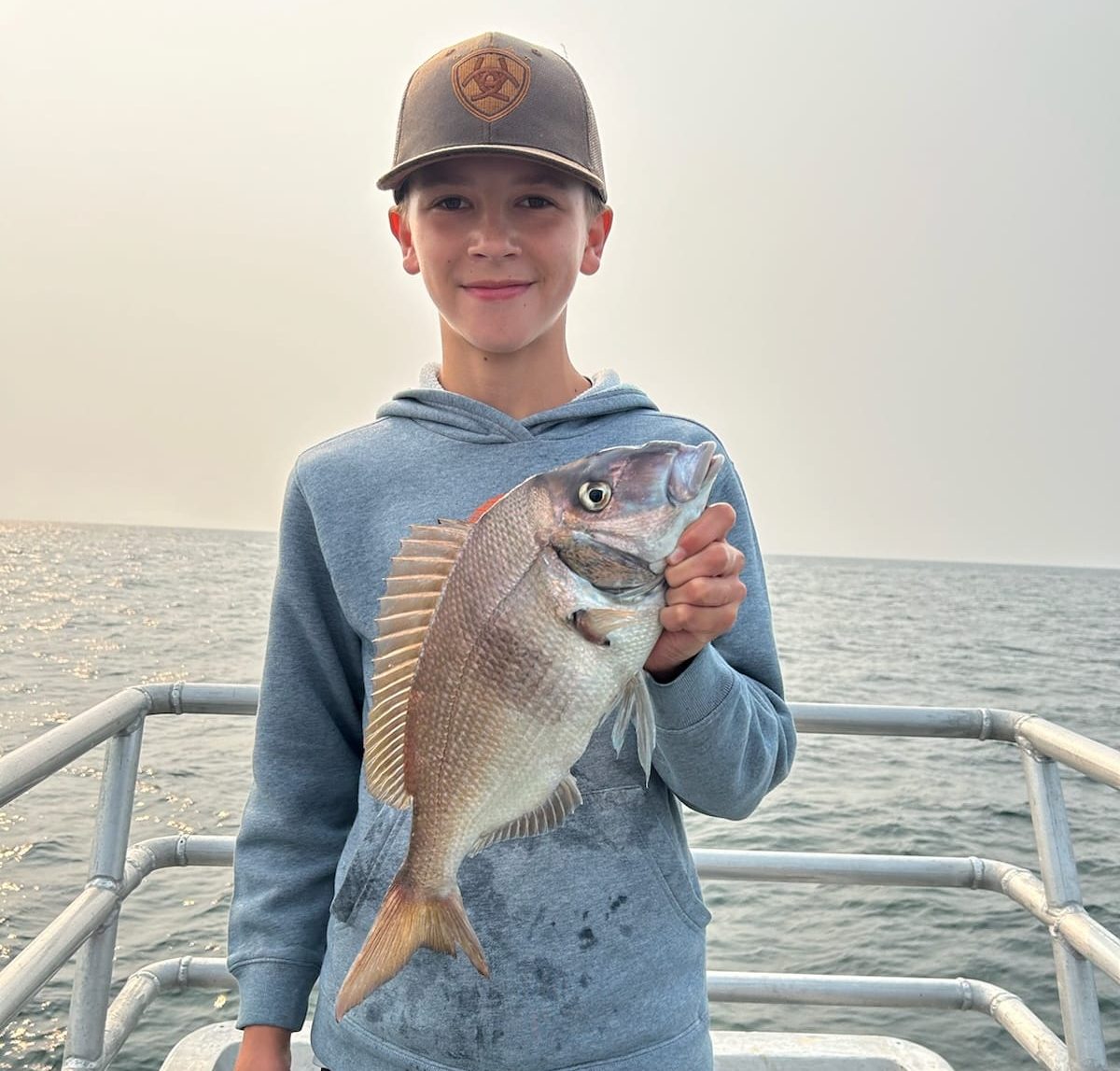
Long Island porgy fishing spots provide one of the most popular and accessible saltwater fishing opportunities in the Northeast. Known locally as scup, porgies are prized for their tasty, flaky white meat and the fast-paced action they provide. These fish travel in large schools, which means once you find them, the bites often come one after another. They are hard fighters for their size, making them a favorite for both seasoned anglers and newcomers.
Long Island Sound offers prime porgy fishing from late spring through fall, with fish gathering around rocky bottoms, reefs, wrecks, and shell beds. The waters off Niantic, CT, sit in a prime location for reaching some of the best fishing grounds in both Connecticut and New York waters. On a typical trip, you might find yourself fishing anywhere from shallow nearshore ledges to deeper offshore reefs where larger porgies feed aggressively.
For anglers without their own boat, a party boat trip aboard the Black Hawk is one of the easiest ways to enjoy Long Island porgy fishing spots. The crew knows the local waters in detail and has a network of proven spots that consistently produce fish. Porgy trips are a great option for families, friends, and anyone looking to fill a cooler with fresh fish while spending time on the water. The combination of steady action, delicious table fare, and a scenic day on Long Island Sound makes porgy fishing a tradition worth experiencing year after year.
Understanding Porgy Behavior and Seasonal Patterns
When Porgy Fishing is Best in Long Island Sound
Porgies migrate into Long Island Sound as the water warms in late spring. The first consistent catches usually start in late May and early June, with fish moving into shallower rocky areas to feed. Through July, August, and September, porgies are abundant and active, offering steady fishing opportunities. As the season moves into October, the bite can remain strong as fish feed heavily before heading back to deeper offshore waters for the winter. The timing of these movements can shift slightly each year depending on water temperatures and weather patterns, so experienced captains track conditions closely to stay on the fish.
How Water Temperature and Structure Affect Porgy Location
Water temperature plays a big role in porgy behavior. They tend to be most active in water between 60 and 70 degrees, which is why summer is such a productive time to target them. Structure is equally important, as porgies prefer hard bottoms with plenty of cover. Rocky ledges, mussel beds, wrecks, and artificial reefs all hold fish. These areas provide both feeding opportunities and protection from predators. Tidal currents also influence where porgies will hold, with many fish positioning themselves along the edges of structure to pick off bait carried by the moving water. Understanding this combination of temperature, structure, and current can help anglers pinpoint productive spots throughout the season.
Essential Gear and Tackle for Porgy Fishing
Rod, Reel, and Line Recommendations
For porgy fishing in Long Island Sound, a medium-light spinning or conventional rod in the 6 to 7 foot range is ideal. Pair it with a quality reel that has a smooth drag to handle the quick runs these fish can make. Spinning reels in the 2500 to 4000 size range work well for most anglers, while a small conventional reel offers added leverage when fishing deeper water. Many anglers prefer braided line in the 15 to 20 pound class for its sensitivity and low stretch, which helps detect light bites. If using braid, a short leader of 20 pound fluorocarbon or monofilament is recommended to reduce visibility near the hook.
Best Rigs and Hooks for Porgy
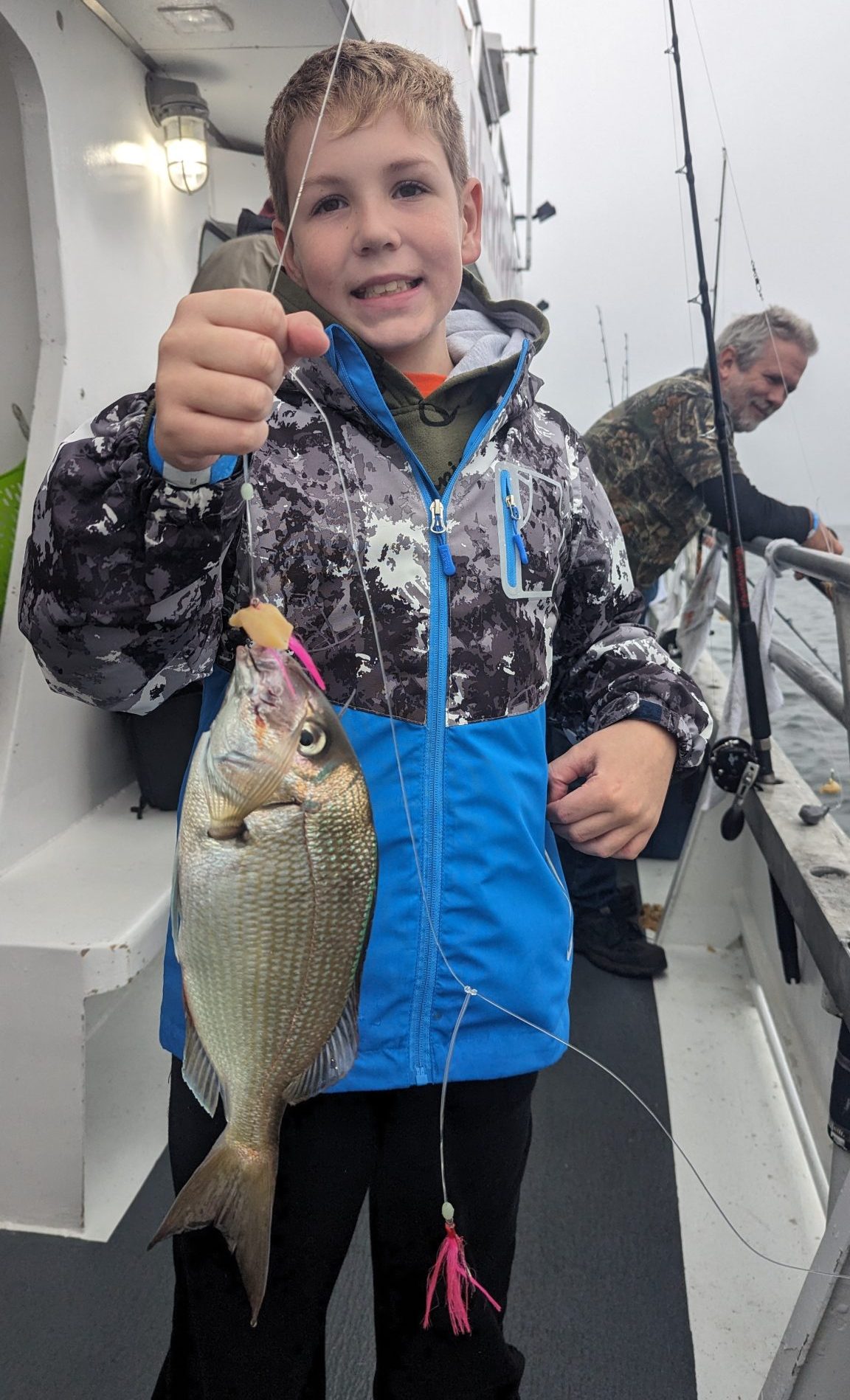
The most common rig for porgy fishing is a hi-lo rig, which presents two hooks above a sinker. This setup allows you to fish multiple baits at once and increases your chances of hooking up quickly when the fish are biting. Another popular choice is the chicken rig, which works well in areas with stronger current. Hooks in sizes 2 to 4 are best suited for porgies, as they have relatively small mouths. Circle hooks are a good option if you want to reduce deep hooking and make catch-and-release easier, while bait-holder hooks help keep soft baits in place.
Effective Baits for Porgy
Fresh bait is key to consistent porgy action. Clam strips, squid strips, and sandworms are among the most productive options, with clams being a long-time favorite in the region. Many anglers cut their bait into small, manageable pieces that fit neatly on the hook without hanging too far off. This makes it easier for porgies to take the bait and get hooked. Scented artificial baits can also be effective, especially when combined with natural bait to add extra attraction. On party boats like the Black Hawk, bait is typically provided, ensuring you have the right offerings for the day’s fishing conditions.
Long Island Porgy Fishing Hotspots
Eastern Long Island Sound
The eastern section of Long Island Sound offers some of the most consistent porgy fishing throughout the season. Niantic Bay is a key starting point, with rocky edges and shell beds that hold fish from late spring into the fall. The waters around Fishers Island are another top destination, where deeper reefs and ledges provide excellent habitat for larger porgies. These areas are accessible from Niantic on a short run, making them ideal for half-day or full-day trips. The combination of hard bottom structure and steady tidal flow in this region keeps baitfish and crustaceans moving, which in turn attracts schools of feeding porgies.
Central Long Island Sound
The central Sound offers a mix of nearshore and offshore porgy grounds. Stratford Shoal, also known as Middle Ground, is a well-known location where porgies congregate in good numbers during the summer. Kelsey Point is another productive area, with rock piles and reef structure that provide year-round holding spots for scup. These central locations often see less concentrated fishing pressure than the eastern Sound, which can make for steady action even on busy weekends. Fishing here typically involves anchoring over structure and dropping rigs straight down to target fish holding close to the bottom.
Western Long Island Sound
In the western Sound, Hempstead Reef is a standout porgy spot. This artificial reef and surrounding rocky areas hold fish from early summer through the fall. While western Long Island Sound has slightly warmer and sometimes murkier water, the structure-rich environment continues to attract porgies in strong numbers. Other nearby reef systems and rock piles can also produce well, especially on moving tides. Anglers targeting this part of the Sound should pay close attention to tide timing, as the bite can turn on quickly when currents shift.
Wrecks and Artificial Reefs
Throughout the Sound, wrecks and artificial reefs provide excellent opportunities for targeting larger porgies. These structures create vertical relief on the bottom, offering shelter and a steady food supply. Many of these spots also attract other species such as sea bass and blackfish, making them great mixed-bag fishing locations. On a party boat trip, captains often rotate between rocky reefs and wrecks to keep the action steady. Fishing these deeper structures typically requires heavier sinkers to hold bottom in stronger currents, but the payoff is often bigger fish and a chance at filling the cooler quickly.
How to Read the Conditions for a Productive Trip
Tides and Currents
Tides are one of the most important factors in planning a successful porgy fishing trip. Moving water triggers feeding behavior, as it stirs up the bottom and carries food past waiting fish. Many anglers find that the first two hours of the incoming or outgoing tide are the most productive, as the current is strong enough to move bait but not so fast that it makes holding bottom difficult. In Long Island Sound, tidal strength and timing can vary depending on location, so checking a tide chart for your specific fishing spot is essential. When fishing from a party boat, captains often time their moves to take advantage of peak tidal flow at each location, which can make a big difference in catch rates.
Weather and Wind Considerations
Weather and wind can significantly influence porgy fishing conditions. Wind direction affects drift speed, which impacts how your bait moves along the bottom. A steady, moderate drift often leads to more bites, as it keeps bait moving naturally past fish. Strong winds, particularly against the tide, can make anchoring or holding position more challenging. Calm days allow for more precise placement over structure, while slightly choppy conditions can sometimes improve the bite by breaking up surface light and reducing visibility for the fish. Safety should always come first, so be mindful of forecasts and trust the judgment of experienced captains when deciding where and when to fish.
Fishing Porgies from a Party Boat
Advantages of Going with Black Hawk Sport Fishing
Fishing for porgies aboard a party boat like the Black Hawk offers several advantages over going on your own. The crew has years of local knowledge and access to a network of proven fishing spots throughout Long Island Sound. This allows them to move quickly to productive areas if the bite slows down. Party boats also provide all the essential gear, bait, and tackle, which is convenient for anglers who may not have specialized equipment. The vessel itself is designed for stability and comfort, making it possible to fish effectively in a variety of conditions. Onboard amenities, such as restrooms and ample seating, add to the overall comfort of the trip.
Tips for Maximizing Your Catch on a Shared Trip
To get the most out of a party boat porgy trip, it helps to follow a few simple strategies. Position yourself where you can fish comfortably and adjust to the drift or anchor position. When the captain calls for lines down, be ready to drop your bait immediately to take advantage of an active school. Pay attention to instructions from the crew, as they can quickly spot patterns in how the fish are biting and advise on small changes that make a difference. Keeping fresh bait on your hooks, maintaining contact with the bottom, and staying alert to subtle bites will all improve your chances. Respecting space along the rail and working in rhythm with other anglers ensures a smoother, more productive experience for everyone onboard.

Handling, Limits, and Conservation
CT & NY Porgy Regulations
Porgy regulations vary slightly between Connecticut and New York waters, so it is important to know the rules for the area you are fishing. These regulations typically include a minimum size limit, a daily bag limit, and defined open seasons. For example, both states often set a 9-inch minimum size for recreational anglers, but bag limits can differ depending on the time of year. Some periods may have higher limits to account for peak abundance, while others are more restrictive to protect spawning fish. Captains on licensed party boats, such as the Black Hawk, stay current on regulations and ensure passengers remain compliant throughout the trip.
Handling Porgies for Best Table Quality
Proper handling is essential for maintaining the flavor and texture of porgy fillets. Once caught, porgies should be placed on ice as soon as possible to preserve freshness. Bleeding the fish by making a small cut near the gills and rinsing it in seawater can improve meat quality. Avoid leaving fish exposed to direct sunlight or in a dry bucket for extended periods. When it comes time to clean them, a sharp fillet knife and a steady hand make quick work of the process. Many party boats offer filleting services, saving you time and ensuring professional-quality cuts.
Sustainable Practices
While porgies are considered a healthy and abundant fishery, sustainable practices help keep it that way. Keeping only what you plan to eat is one of the simplest ways to support conservation. Releasing smaller fish, even if they meet legal size, allows them to grow and contribute to future spawning. Using circle hooks or crimping barbs can reduce injury to released fish. Party boat crews often encourage these measures to promote long-term fishery health. By following regulations, handling catches with care, and taking only what is needed, anglers can help ensure that porgy fishing in Long Island Sound remains productive for years to come.
Frequently Asked Questions About Long Island Porgy Fishing Spots
Where is the best place to catch porgy on Long Island?
Some of the best porgy fishing on Long Island can be found around rocky bottoms, reefs, and shell beds in Long Island Sound. Areas like Niantic Bay, Fishers Island, and Stratford Shoal are known for holding large schools during the summer and fall. Party boats such as the Black Hawk regularly visit these productive spots to maximize catches.
What month is best for porgy fishing on Long Island?
The peak months for porgy fishing are typically June through September, when water temperatures are ideal and fish are actively feeding. Early June often sees the first big push of fish into the Sound, while late summer produces some of the largest porgies of the season. In October, fish feed heavily before migrating back to deeper offshore waters.
Do I need a fishing license to catch porgy on Long Island?
In most cases, a fishing license is required for recreational porgy fishing, whether you are in New York or Connecticut waters. However, when fishing aboard a licensed party or charter boat like the Black Hawk, the vessel’s license covers all passengers. This makes it easier for visitors and new anglers to get out on the water without extra paperwork.
What bait works best for porgy fishing on Long Island?
Fresh bait is key to consistent porgy catches, with clam strips, squid, and sandworms being the most popular choices. These baits are cut into small pieces to fit the fish’s smaller mouth and stay securely on the hook. Many anglers also use a combination of natural and scented artificial bait to draw more strikes.
How deep do you fish for porgy in Long Island Sound?
Porgies can be caught in a wide range of depths, from 15 feet inshore to more than 60 feet over offshore reefs. In summer, they often move shallower to feed, especially in the early morning and late afternoon. Captains adjust fishing depth based on tide, water temperature, and location to stay on the most active fish.
Are porgies good to eat?
Yes, porgies are considered excellent table fare with firm, white, and flavorful meat. They are versatile in the kitchen and can be grilled, baked, fried, or broiled. Many anglers specifically target porgies not only for the fun fight they provide but also for their quality as a fresh, locally caught seafood option.
Experience the Best Long Island Porgy Fishing Spots with Black Hawk Sport Fishing
Long Island Sound offers one of the most reliable and exciting porgy fisheries in the Northeast, with peak action from late spring through fall. Understanding seasonal patterns, choosing the right gear, and targeting proven rocky reefs, wrecks, and ledges all contribute to a productive day on the water. Fishing aboard a party boat like the Black Hawk gives you the advantage of experienced captains, quality equipment, and access to the area’s top fishing spots. Whether you are after a cooler full of delicious table fare or just a fun day on the Sound, porgy fishing is a rewarding experience for anglers of all skill levels. Book your trip today with Black Hawk Sport Fishing and enjoy expert guidance, great company, and a day of steady action on Long Island’s best porgy waters.