

If you’re looking to hook into one of the most iconic game fish on the East Coast, striped bass fishing around Long Island should be on your radar. These powerful, migratory fish attract anglers of all skill levels thanks to their size, fight, and accessibility. Whether you’re casting from shore, trolling offshore, or booking a party boat charter like Black Hawk Sport Fishing out of Niantic, CT, the striped bass bite around Long Island and the surrounding Sound offers some of the most consistent action in the region. In this guide, we’ll break down everything you need to know to fish for stripers successfully—from the best seasons and fishing spots to proven techniques, gear tips, and charter options. Whether you’re a first-timer or a seasoned angler, this post will help you maximize your striped bass fishing experience in one of the Northeast’s most productive waters.
Why Long Island is a Prime Destination for Striped Bass Fishing
Geographical advantages of Long Island’s waters
Long Island’s unique geography creates ideal conditions for striped bass to thrive. Surrounded by the Atlantic Ocean to the south and the Long Island Sound to the north, this region offers a variety of marine habitats—estuaries, sandy flats, rocky shorelines, and deep channels—that striped bass use during their seasonal migration. These waterways serve as feeding grounds, spawning routes, and holding areas, giving anglers numerous access points whether fishing from boat or shore. The interaction of tides and structure provides the consistent current and bait movement that striped bass actively seek. Additionally, Long Island’s proximity to major cities makes it easy for anglers to take advantage of these opportunities without venturing far offshore.
Striper migration patterns around Long Island Sound
Each spring and fall, striped bass migrate along the Atlantic Coast, moving between spawning grounds in the Hudson River, Delaware River, and Chesapeake Bay, and feeding zones in the northeast. Long Island sits directly along this migratory path, making it a hotspot during both the northbound (spring) and southbound (fall) runs. Fish of all sizes—from schoolies to large trophy-class bass—can be found staging in the Sound, often chasing bunker schools and other baitfish. These migration windows provide peak fishing action and make planning a trip more predictable. Understanding how the migration aligns with water temperatures and moon phases can help anglers target fish more effectively throughout the season.
Key species info: What makes striped bass such a target?
Striped bass, also known as stripers, are prized by recreational anglers for their hard hits, powerful runs, and unpredictable behavior. They can grow to impressive sizes—often exceeding 40 inches and 30 pounds—and still readily take a bait or lure in relatively shallow water. Their versatility makes them accessible by boat, kayak, or from shore. Stripers are also highly responsive to changing conditions, which adds to the challenge and appeal. On top of their sporting qualities, they’re also regulated as a managed species, which fosters responsible fishing and long-term sustainability. For anglers chasing both action and conservation-minded experiences, striped bass offer the best of both worlds.

When to Fish for Striped Bass Near Long Island
Spring and fall migrations explained
The most productive times to fish for striped bass near Long Island are during their spring and fall migrations. In the spring, stripers travel north from their wintering grounds in the Mid-Atlantic, entering Long Island Sound and surrounding waters as they follow warming temperatures and baitfish like menhaden and herring. This migration typically kicks off in April and builds into a peak around May and June. In the fall, the reverse occurs. As water temperatures drop, stripers stage again in Long Island waters, feeding heavily before heading south. The fall run often begins in late September and continues into November, depending on conditions. These migration periods are favored by anglers because they bring large numbers of fish—including mature trophy-class bass—into accessible areas.
Water temperature and moon phase considerations
Water temperature plays a major role in striped bass behavior and movement. Stripers are most active in water between 55°F and 68°F. When temperatures hit this range in spring and fall, feeding activity increases and fish begin moving aggressively. Anglers often monitor local temperature trends to time their trips. Moon phases also influence striped bass fishing, especially during the full and new moon cycles. These phases create stronger tides and current flows, which in turn drive baitfish movement and trigger feeding. Night fishing around moon cycles can be particularly effective, especially from shore or under lighted docks and bridges. Combining favorable temperature and moon conditions gives anglers the best odds for success.
Best months for consistent striper action
The most consistent striper fishing near Long Island generally occurs from mid-May through early July, and then again from late September through mid-November. In spring, post-spawn fish arrive hungry and aggressive, often feeding in shallows and tidal rivers. June is particularly strong for both numbers and size. In fall, fish are feeding heavily to prepare for their southern migration, and they often gather in larger schools. October is usually the peak month, offering both quantity and quality. Outside of these windows, striper fishing is still possible but less predictable. Understanding the seasonal timing helps anglers avoid slow periods and target the most productive windows for striped bass fishing success.
Where to Find Striped Bass Around Long Island
Popular fishing zones (Montauk, North Fork, South Shore, Long Island Sound)
Long Island is surrounded by some of the most productive striped bass waters on the East Coast. Montauk, located at the eastern tip of the island, is one of the most famous striper hotspots in the country due to its strong currents, rocky bottom, and massive bait concentrations. The North Fork offers excellent fishing along its inlets and harbors, particularly during the spring and fall runs. The South Shore, facing the Atlantic, provides access to surfcasting beaches and deeper ocean structure, while Long Island Sound, bordering the north side of the island, features calmer waters ideal for boat fishing. Niantic, CT, located just across the Sound, also provides quick access to these waters, making it a strategic launch point for targeting migrating stripers as they pass through.
Inshore vs offshore tactics
Striped bass can be caught both inshore and offshore, depending on the season and bait presence. Inshore areas such as estuaries, tidal rivers, and back bays hold stripers in spring and fall when water temperatures are favorable and baitfish are abundant. Anglers working near rocky points, docks, bridges, and channel edges often find success using live bait or soft plastics. Offshore fishing usually involves trolling or drifting near deeper structure like reefs, shoals, or rips, especially during the summer months when bigger bass may seek cooler, deeper water. Party boats and charters often head to these offshore areas with specialized rigs to cover more ground and locate active schools.
Land-based vs boat-based options
Anglers don’t need a boat to catch striped bass around Long Island. There are numerous accessible spots for land-based fishing, including state parks, jetties, piers, and beaches. Popular surfcasting areas like Robert Moses State Park and Shinnecock Inlet give shore anglers the chance to hook into quality fish during the migrations. For those with boats or booking charters, the range expands dramatically. Boat anglers can explore underwater structure, move with the tides, and chase birds and bait schools—often leading to more consistent action. Charters like Black Hawk Sport Fishing in nearby Niantic offer a great solution for anglers who want to access high-traffic areas without the hassle of operating their own vessel.
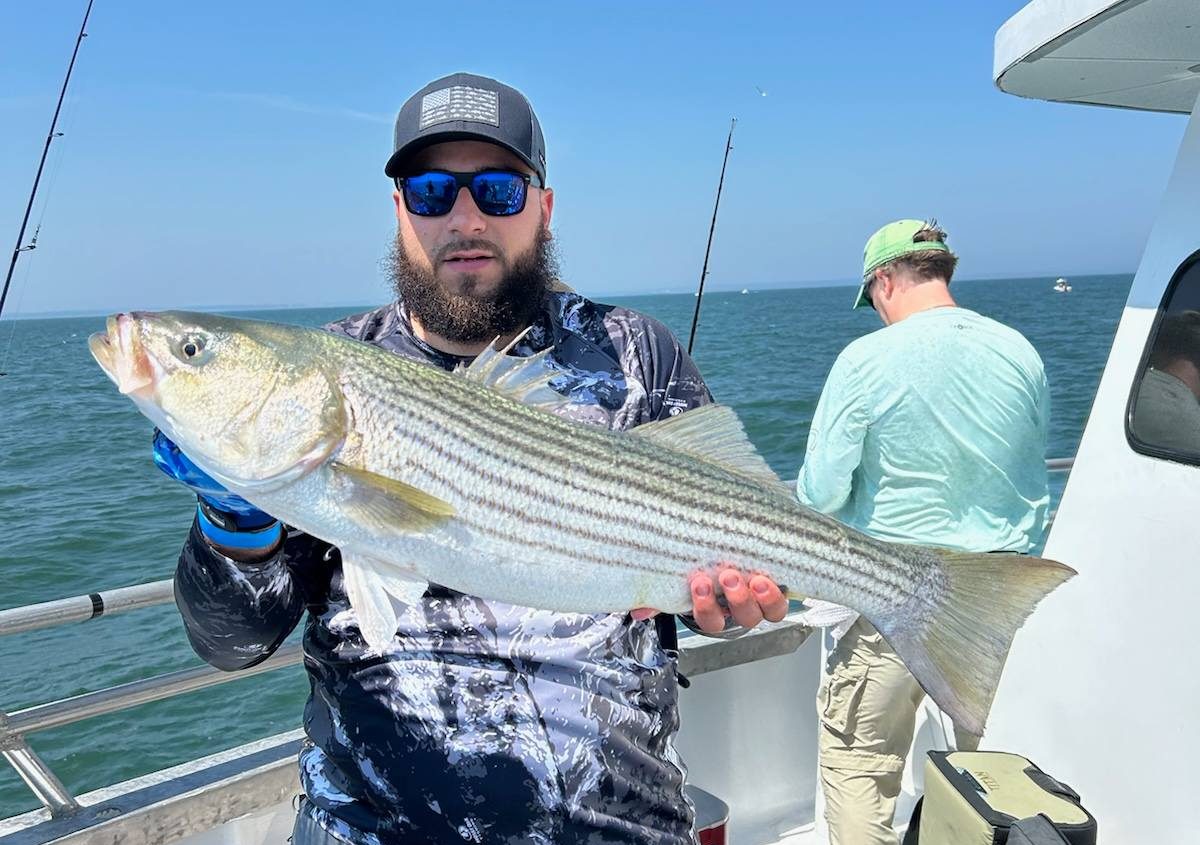
Effective Techniques for Catching Striped Bass
Live bait vs artificial lures – pros and cons
Both live bait and artificial lures are effective for catching striped bass, but each has its own advantages. Live bait—such as bunker (menhaden), eels, and mackerel—tends to produce more consistent results, especially with larger fish. It’s particularly useful when bass are feeding selectively or in low-light conditions. However, fishing with live bait requires extra prep, gear, and handling. Artificial lures offer versatility and convenience. Anglers can cover more water with plugs, soft plastics, swimbaits, and jigs, adjusting tactics quickly based on conditions. Lures are ideal for anglers looking to stay mobile and respond to fast-moving schools. While lure fishing may have a steeper learning curve, it often delivers explosive strikes and a more active fishing experience.
Trolling, jigging, and chunking explained
Trolling is a widely used technique for covering large areas and locating active fish. Anglers pull umbrella rigs, mojos, or diving plugs behind the boat at various depths, adjusting speed and line length to match striper behavior. Jigging involves vertically dropping weighted lures—like bucktails or metal jigs—and working them near the bottom or through the water column, making it effective over structure or during concentrated feeding. Chunking, on the other hand, involves anchoring and cutting fresh bait (usually bunker) into pieces and drifting it with the current. This scent-based method draws fish to the area and works well when stripers are holding in one place. Each technique has its place, depending on conditions and target size.
Tides, currents, and structure: what to look for
Understanding the environment is critical to finding and catching striped bass. Stripers are opportunistic feeders and often stage near structure—such as rock piles, bridge pilings, drop-offs, and channel edges—where baitfish gather. Moving water is essential; bass prefer areas with strong current, which disorients bait and makes feeding easier. Tide changes, particularly the two hours before and after high or low tide, often spark feeding activity. Anglers should also consider wind direction, water clarity, and temperature. Reading these conditions helps anglers position themselves where fish are likely to be, rather than relying on luck. Combining the right technique with the right timing and location increases both hook-up rates and overall success on the water.
Charter Boat vs DIY: What You Need to Know
Why choose a party boat fishing charter like Black Hawk Sport Fishing
For many anglers, especially those without access to a private vessel, party boat charters offer an ideal way to experience striped bass fishing without the complications of doing it solo. Black Hawk Sport Fishing, based out of Niantic, CT, operates large, Coast Guard-certified boats with experienced crews and high-quality equipment. These trips are designed to maximize time on productive fishing grounds while minimizing the guesswork. Anglers benefit from local knowledge, years of striped bass fishing experience, and real-time insights into fish movements. For those new to the sport or visiting the region, hopping on a party boat ensures a smoother, more productive day on the water without needing to bring your own gear or navigate unfamiliar waters.
The value of experienced captains and crews
When fishing for a species like striped bass—whose patterns can change daily—having an experienced captain and crew is a major advantage. These professionals know how to read sonar, follow bait movements, and identify subtle shifts in tide and weather conditions. Their ability to adapt and change tactics quickly often makes the difference between a slow trip and a productive one. Crews on charters like the Black Hawk also provide instruction on proper technique, help with tangles or rigging, and ensure all safety measures are followed. This hands-on support is especially valuable for beginners or families, but even seasoned anglers benefit from the local expertise and teamwork onboard a well-run party boat.
Gear, bait, and license convenience
One of the biggest advantages of booking a charter is the convenience it offers. Black Hawk and similar operations provide all the necessary fishing gear—rods, reels, tackle—and usually supply fresh bait. This eliminates the need for planning, transporting, or purchasing equipment, which is especially helpful for travelers. Additionally, party boats are typically covered under a state-issued fishing license, meaning passengers do not need to obtain individual licenses for the trip. This simplifies the booking process and ensures compliance with regulations. For anglers who want to focus on fishing—not logistics—this turnkey approach is both efficient and cost-effective.
Affordability of party boat charters vs private options
Compared to booking a private charter, party boats are a much more affordable option. Prices are usually per-person, making it easier for solo anglers, small groups, or families to participate without having to split a large rental fee. Despite the lower cost, party boats still offer access to high-quality gear, experienced crews, and productive waters. This value makes them a popular choice for both casual and serious anglers looking to target striped bass. For those considering a DIY trip with their own boat, the hidden costs—fuel, maintenance, gear, and navigation tools—can add up quickly. In contrast, a party boat provides a predictable cost and a streamlined, guided experience.
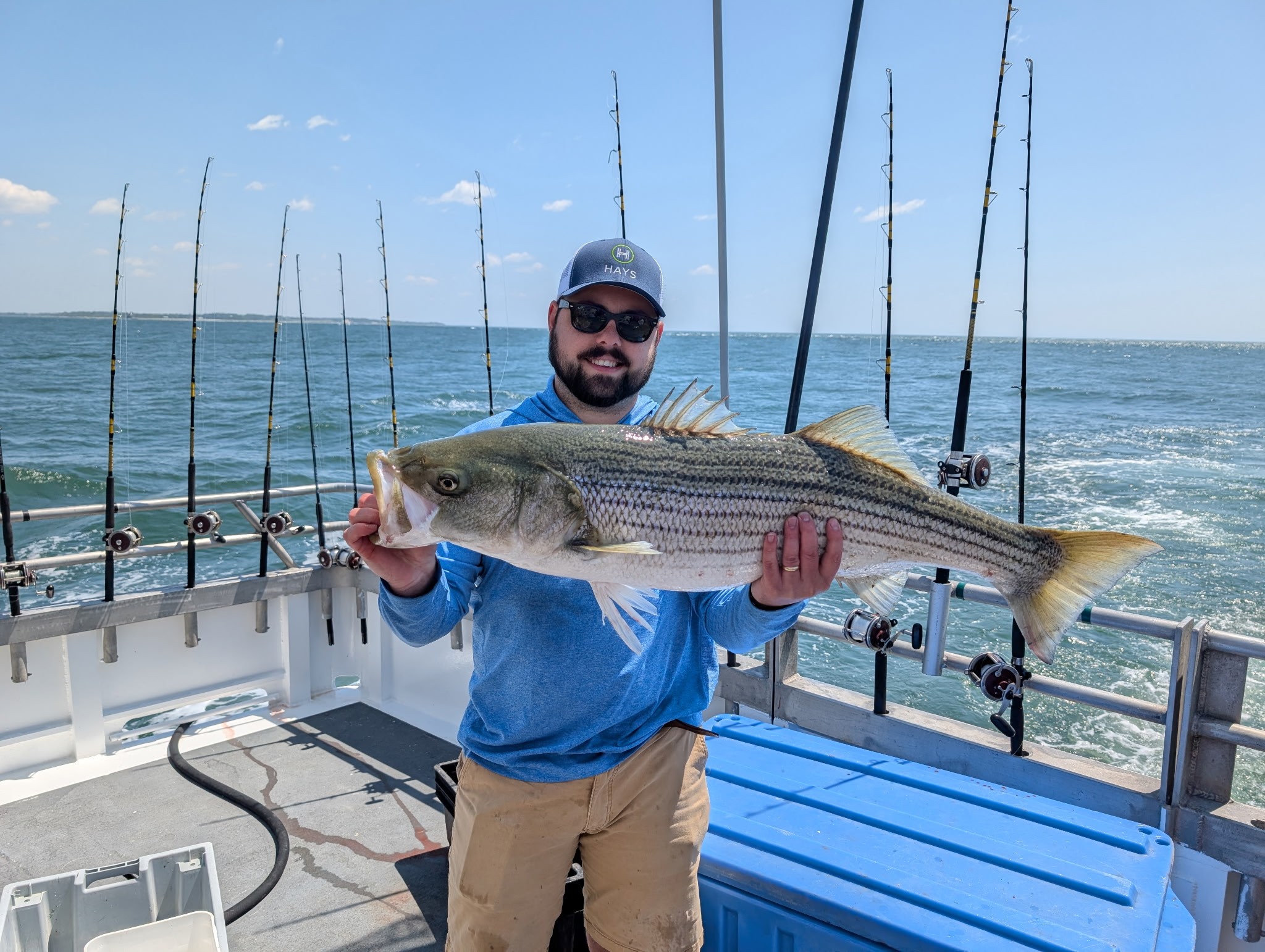
What to Expect on a Striped Bass Charter with Black Hawk
Departure times, trip length, and locations covered
Black Hawk Sport Fishing offers a variety of striped bass trips that typically run in the early morning or late afternoon, depending on the tide and seasonal bite. Most trips range from 4 to 6 hours, allowing enough time to travel to productive fishing grounds and spend several hours actively targeting stripers. The crew monitors conditions daily and adjusts departure times to align with peak feeding windows. Departures take place from Niantic, CT, with runs into Long Island Sound, where migrating striped bass concentrate. Whether fishing near reefs, channel edges, or bait schools, the trip is designed to maximize action and efficiency.
Onboard experience: tackle, tech, and crew support
When you step aboard a Black Hawk charter, you’ll be outfitted with quality rods and reels, pre-rigged with the right gear for the day’s conditions. The boat is equipped with advanced electronics—sonar, GPS, radar—to locate fish quickly and track bait activity. Throughout the trip, the crew handles everything from helping you set up and drop lines to coaching on technique and landing fish. There’s a strong emphasis on customer service and safety, making it easy for newcomers to feel comfortable. The boat itself is spacious, with plenty of room to fish, rest, or chat with other anglers. Whether it’s your first time out or your fiftieth, the crew works to ensure a smooth and rewarding experience.
Tips for first-timers and families
First-timers and families are welcome aboard and often make up a large part of Black Hawk’s customer base. The atmosphere is friendly and inclusive, with the crew offering patient instruction on casting, baiting hooks, and handling fish. You don’t need to bring any gear—just dress for the weather, wear non-slip shoes, and bring a small cooler for snacks and drinks. Kids are encouraged to participate, and the crew goes the extra mile to help younger anglers feel involved and successful. Motion sickness medication is a smart precaution for those new to boating. The key to enjoying the trip is staying relaxed, asking questions, and letting the crew handle the technical details.
Fish cleaning, regulations, and limits
At the end of the trip, Black Hawk’s crew will clean and fillet any legal striped bass you catch, providing you with ready-to-cook fillets to take home. They follow all Connecticut and federal fishing regulations, including size and bag limits, which are explained at the start of each trip. Currently, the slot limit typically allows anglers to keep one striper within a specific size range—intended to protect spawning populations while allowing harvest. The boat operates under a shared licensing system, so passengers do not need to worry about individual permits. This attention to both convenience and compliance makes the process straightforward, ensuring you leave with both great memories and fresh fish.
FAQs About Striped Bass Fishing Near Long Island
Can you keep striped bass in Long Island Sound?
Yes, you can keep striped bass caught in Long Island Sound, but only if they meet current size and bag limits set by Connecticut or New York, depending on where you’re fishing. As of recent regulations, anglers are typically allowed to keep one striped bass per person within a specific slot size to protect breeding populations. On a charter like Black Hawk Sport Fishing, the crew will measure your fish and ensure it’s legal before cleaning it for you. These rules change frequently, so it’s important to check updated regulations before your trip or rely on your charter captain for guidance.
Is striped bass fishing good for beginners or kids?
Striped bass fishing is an excellent option for kids and first-time anglers. Stripers put up a fun fight without requiring advanced skills to catch, and the setting—on a boat in Long Island Sound or nearby waters—is beginner-friendly. Charters like Black Hawk are especially well-suited for newcomers. The crew provides all equipment, demonstrates techniques, and assists with every step—from baiting the hook to landing the fish. Whether you’re fishing as a family or giving it a try solo, you can expect a supportive environment and a chance to catch memorable fish.
What should I bring on a striped bass fishing charter?
When fishing with a charter like Black Hawk Sport Fishing, you only need to bring the basics for personal comfort. The boat provides rods, reels, bait, and tackle. Recommended items include layered clothing, sunscreen, sunglasses, a hat, and non-slip shoes. Bring snacks, drinks, and a cooler for any fish you keep (you can leave it in your vehicle until the trip ends). Motion sickness medication is a good precaution if you’re unsure how you’ll handle the water. Also, bring some cash if you’d like to tip the crew or pay for optional fish cleaning services.
Do you need a fishing license on a Long Island charter boat?
No, you don’t need a personal fishing license when fishing on a licensed charter or party boat like Black Hawk. The vessel holds a state-issued group license that covers all passengers onboard. This simplifies the process, especially for out-of-state visitors or those new to fishing. The captain and crew also stay up to date on regulations, so you won’t need to worry about compliance. If you plan to fish from shore or on a private vessel during your trip, you’ll need to get a license from the appropriate state (Connecticut or New York) in advance.
Ready to Catch Striped Bass? Book Your Trip with Black Hawk Today
Striped bass fishing around Long Island offers some of the best angling opportunities on the East Coast, especially during the spring and fall migrations. With diverse fishing zones, proven techniques like trolling and jigging, and the convenience of experienced charters, anglers of all levels can enjoy a successful day on the water. Whether you’re fishing from shore or booking a party boat, understanding the seasonal timing, regulations, and local strategies makes all the difference. For those looking to skip the guesswork and maximize their chances, joining a charter like Black Hawk Sport Fishing out of Niantic, CT, is the way to go. Their crew provides everything you need for a smooth, enjoyable, and productive striped bass trip. Ready to experience the action for yourself? Book your spot with Black Hawk Sport Fishing today and get ready to reel in one of the Northeast’s most exciting game fish.