

Porgy fishing in Long Island Sound is one of the most reliable and rewarding experiences for anglers of all levels. Known for their abundance, great taste, and steady action, porgies are a favorite catch for families, beginners, and seasoned fishermen alike. Each season brings unique opportunities, from spring’s first arrivals in shallow water to the jumbo porgies that show up in the fall. For those who fish the Sound regularly, keeping up with current conditions, seasonal trends, and proven techniques can make all the difference. In this report, we’ll cover where porgy fishing is most productive, the best gear and bait to use, regulations to keep in mind, and what anglers can expect in the weeks ahead. Whether you are planning your first trip or looking to refine your approach, this guide will help you stay prepared and informed.
Understanding Porgy in Long Island Sound
What Makes Porgy a Target Species
Porgy, also known as scup, are one of the most popular saltwater fish in the Northeast. They are plentiful in Long Island Sound, fight hard for their size, and are excellent on the table. For many anglers, porgy fishing is a tradition that provides steady action and reliable results throughout the warmer months. Families and beginners enjoy them because the bite is frequent, while experienced anglers appreciate the challenge of locating bigger “jumbo” porgies that put up a stronger fight. Their wide distribution throughout the Sound makes them accessible whether you are fishing from shore, a private boat, or a party boat like Black Hawk.
Porgy Seasonal Movements in the Sound
Understanding porgy behavior across the year helps anglers stay productive. These fish migrate based on water temperature and spawning cycles:
- Spring: As waters warm, porgies move inshore and gather around shallow rocky areas and reefs.
- Summer: Schools spread throughout the Sound, making this the easiest time for anglers of all skill levels to find steady action.
- Fall: Larger porgies become more common, often holding in deeper water around structure. This is prime time for targeting jumbo fish.
- Winter: Most porgies move offshore into deeper waters, leaving the Sound until conditions warm again.
By paying attention to these seasonal shifts, anglers can plan trips with greater success. Porgy fishing in Long Island Sound is not just about dropping a line; it is about knowing when and where to look. With predictable movements and reliable numbers, they remain one of the most accessible and rewarding species in Long Island Sound.
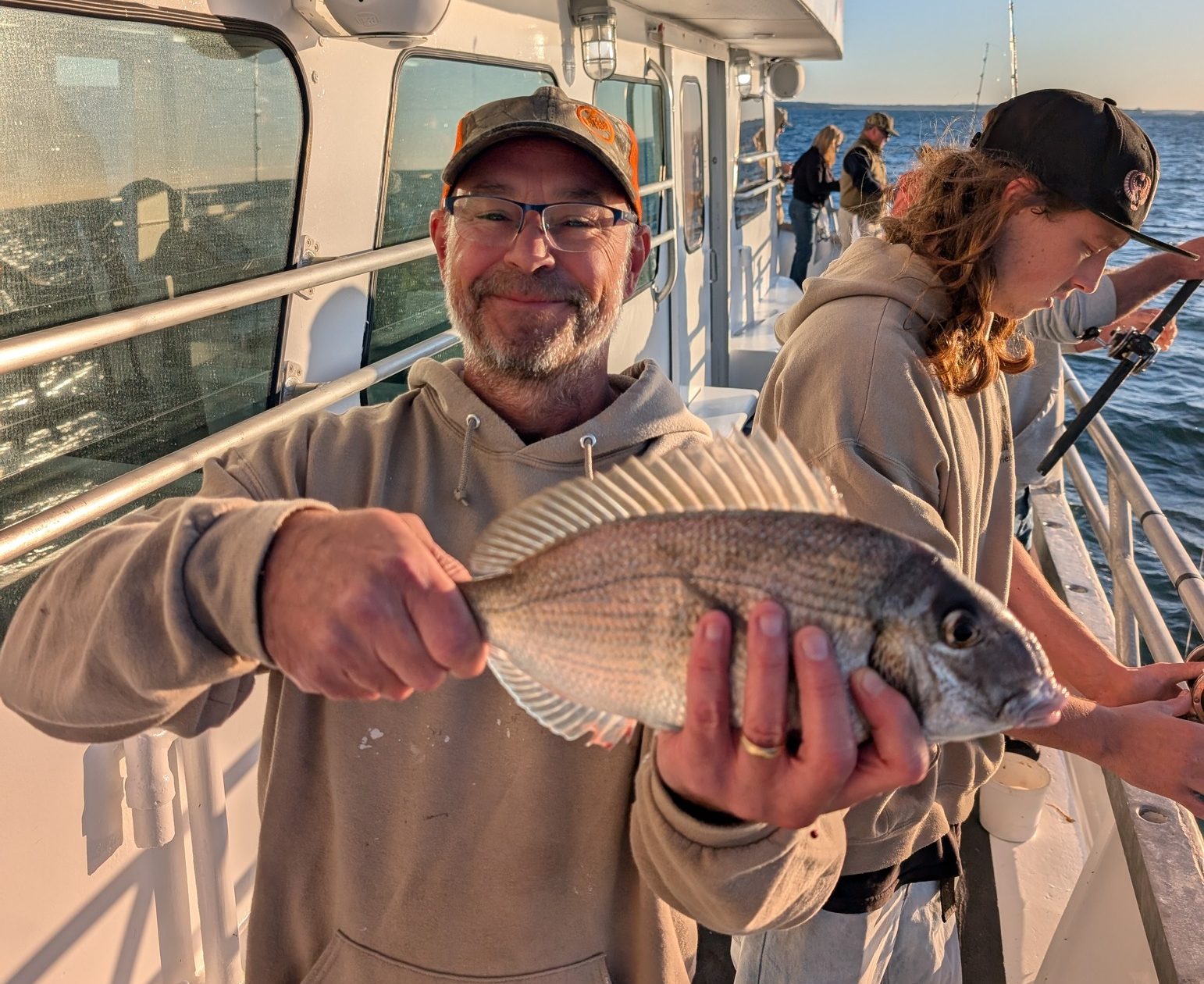
Long Island Sound Porgy Fishing by Season
Spring Porgy Fishing Report
Spring marks the start of the porgy season in Long Island Sound, and many anglers look forward to these early runs. As the water warms in late April and May, porgies move from offshore wintering grounds into shallower water. They gather around rocky shorelines, mussel beds, and smaller reefs close to land. The fish may not be as large as later in the season, but numbers are strong, which makes for steady action.
This is the time when lighter tackle shines. A sensitive rod and a hi-lo rig baited with clam or worm is usually enough to stay busy. For beginners, the spring porgy bite provides the perfect chance to learn the basics of bottom fishing. For more experienced anglers, scouting early season porgy grounds helps set the stage for productive trips throughout the summer.
Summer Porgy Fishing Report
By June and July, porgy fishing in Long Island Sound reaches its peak. Large schools spread across inshore and mid-Sound grounds, making this the most reliable time of year for family trips, party boat charters, and consistent results. Summer porgy fishing reports usually highlight both the high catch rates and the mix of sizes available. Anglers can expect plenty of keeper-sized fish along with opportunities for larger porgies around deeper reefs.
Bait choice is important in summer. Fresh clams, squid strips, and sandworms are dependable options, and porgies feed aggressively in moving water. Mid-morning and late afternoon often produce steady action, but some days the bite continues throughout the tide cycle. Summer porgy fishing is also a good introduction for kids, as they can enjoy frequent strikes and take home a cooler full of fish for the table.
Fall Porgy Fishing Report
Fall is prime time for jumbo porgies in Long Island Sound. As September and October arrive, water temperatures cool and porgies school up around deeper structure. Party boat fishing trips often focus on 40 to 80 feet of water, where the biggest porgies feed heavily before moving offshore. Fall fishing reports regularly mention limit catches and a higher average size compared to the rest of the season.
For anglers targeting jumbo porgies, heavier sinkers are often needed to stay on bottom in deeper water. Patience is important, as larger fish can be more selective. This is when experienced anglers look forward to filling their freezers with fillets while enjoying some of the most rewarding fishing of the year.
Winter Outlook
During winter, porgy fishing in Long Island Sound slows dramatically. Most of the fish migrate offshore into deeper ocean waters, leaving the Sound until spring. While reports during this season are quiet, many anglers use this downtime to prepare gear, book their first spring porgy trips, and keep up with regulation changes. Winter is the planning season, making sure everything is ready for when porgies return in force.
Where to Find Porgy in Long Island Sound
Inshore Reefs and Rocky Bottoms
Inshore areas provide some of the best early season and family-friendly porgy fishing in Long Island Sound. Porgies are structure-oriented, so rocky bottoms, mussel beds, and small reefs close to shore attract steady schools. These spots are easy to access and allow anglers of all levels to find action without long runs offshore.
Some well-known inshore grounds include Niantic Bay, Clinton Reef, and areas around New London. These shallow to mid-depth locations hold large numbers of porgies during spring and summer. Anglers fishing from small boats, kayaks, or shorelines can also find success by targeting points, jetties, and breakwalls where porgies feed on shellfish and crabs.
Offshore Structures and Deeper Reefs
When anglers are looking for jumbo porgies, offshore structure becomes the focus. Deeper reefs, wrecks, and rock piles located in 40 to 80 feet of water often hold larger fish, especially during late summer and fall. Party boats like the Black Hawk make regular runs to these grounds because they consistently produce bigger porgies for customers.
Offshore porgy fishing is best suited for anglers who want to maximize their cooler with quality fillets. The bite may not be as constant as inshore fishing, but the tradeoff is size. Using heavier sinkers and slightly stronger rigs helps maintain bottom contact in deeper water and stronger currents.
Long Island Sound Hotspots by Region
The Long Island Sound porgy fishing spots are wide and diverse, and porgies can be found from the Connecticut coast to the north shore of Long Island. Productive areas include:
- Eastern Sound: Niantic, Groton, and Montauk waters hold steady porgy action throughout the warm months.
- Central Sound: New Haven and Bridgeport areas see strong summer fishing on reefs and wrecks.
- Western Sound: Closer to New York waters, porgy schools gather around rocky points and deeper channels.
Each region has unique features, but all provide opportunities for steady catches.
Tides, Currents, and Optimal Times
Regardless of location, tides and currents play a major role in porgy fishing. Moving water stimulates feeding activity, and both incoming and outgoing tides can be productive. Many anglers find that slack tide produces fewer bites, while a steady current keeps porgies active.
Time of day also matters. Early morning and late afternoon often see stronger bites, although summer porgy fishing in Long Island Sound can remain steady throughout the day. Adjusting location based on tide cycles ensures anglers are always in the best position to connect with fish.
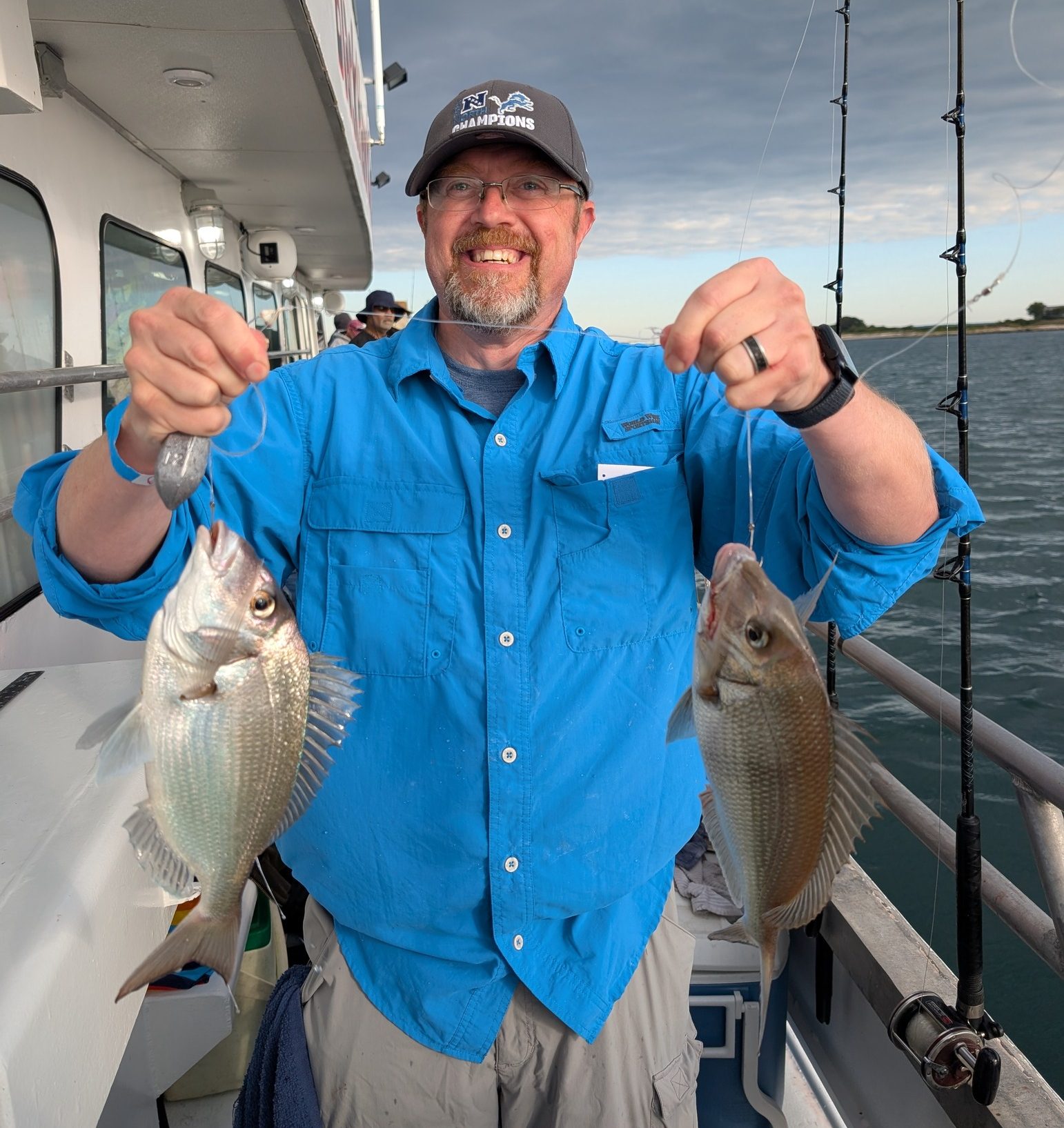
Gear & Techniques for Consistent Success
Rod, Reel, and Line Recommendations
A well-matched setup makes porgy fishing more enjoyable and productive. Medium-light spinning rods around 6 to 7 feet are ideal for detecting the subtle porgy bite. Anglers who prefer conventional tackle can also find success with smaller boat rods that have sensitive tips but enough backbone to handle deeper water and currents.
Braided line in the 15 to 20 pound range is a popular choice because it provides better sensitivity than monofilament. A short fluorocarbon leader of 20 to 25 pounds helps prevent spooking fish in clearer water while also adding abrasion resistance against rocks and shell beds.
Effective Rigs and Hook Sizes
Most anglers rely on simple bottom rigs when targeting porgies. The hi-lo rig, which uses two hooks above a sinker, is one of the most effective. This setup keeps baits near the bottom where porgies feed and allows for multiple hook-ups when fish are schooling.
- Hook size: 1 to 2/0 bait holder or beak hooks work best.
- Sinkers: 2 to 6 ounces depending on depth and current.
- Leader: 20 to 30 pound fluorocarbon or monofilament.
These rigs are simple to tie and easy for beginners to use, yet still effective for experienced anglers aiming for jumbo porgies.
Best Baits Year-Round
Porgies are opportunistic feeders, but certain baits consistently produce. Fresh clam is a go-to option across the Sound, especially in summer and fall. Squid strips and sandworms are also highly effective, with worms often producing more bites in spring when porgies first move inshore.
Cut baits should be presented in small pieces that allow the fish to take the hook easily. Artificial baits are less common but can be useful for anglers experimenting with scent-enhanced options.
Techniques for Beginners vs. Advanced Anglers
Beginners should focus on keeping rigs on the bottom and reacting quickly to bites. Porgies are known for pecking at bait, so even small taps may signal a fish. Setting the hook with a quick upward motion helps improve hookup rates.
Advanced anglers often refine their approach by adjusting leader lengths, experimenting with lighter sinkers to improve presentation, and learning how to feel the difference between a small porgy and a larger jumbo. Drifting over rocky areas instead of anchoring can also be an effective strategy for covering more ground.
With the right gear, bait, and approach, porgy fishing in Long Island Sound offers steady action and plenty of opportunities for anglers of all levels to succeed.
Regulations and Responsible Fishing
Current Size and Bag Limits in NY and CT
Staying up to date with fishing regulations is essential for porgy anglers in Long Island Sound. Both New York and Connecticut manage scup populations with seasonal rules that help keep the fishery healthy. Regulations often include minimum size limits and daily bag limits, which can vary depending on whether you are fishing on a private vessel, from shore, or on a licensed party boat.
For example:
- Connecticut: Typically enforces a minimum size around 10 inches with daily bag limits that may increase when fishing aboard a licensed charter or party boat.
- New York: Often has slightly different rules, with seasonal changes in both bag limits and size restrictions.
Because these regulations are subject to change each year, anglers should always confirm the current rules through the Connecticut Department of Energy and Environmental Protection (CT DEEP) and the New York State Department of Environmental Conservation (DEC) before heading out.
Licensing and Required Permits
In addition to size and bag limits, anglers need the proper fishing license.
- Connecticut residents and visitors generally need a valid marine waters license to fish for porgy in Long Island Sound.
- New York anglers require a recreational marine fishing registration, which is free but still mandatory.
Party boats like the Black Hawk typically cover licensing requirements for customers, which makes fishing simpler for those who may not have their own permit. Even so, it is important for private boaters and shore anglers to stay compliant with state rules.
Conservation and Best Practices
Responsible fishing is about more than following the law. Porgy are abundant, but they are also a shared resource that depends on sustainable practices. Anglers can do their part by:
- Measuring fish carefully and returning undersized porgies quickly and gently.
- Using circle hooks or smaller bait pieces to improve hook-up ratios and reduce deep hooking.
- Avoiding waste by keeping only what can reasonably be used.
- Respecting seasonal closures or special management areas.
Party boat crews help enforce these practices by checking catches, educating new anglers, and encouraging proper handling of fish. By combining good habits with respect for regulations, anglers contribute to a fishery that remains productive year after year.
Fishing within the rules not only protects porgy populations but also ensures that everyone can continue to enjoy reliable porgy fishing in Long Island Sound for generations to come.
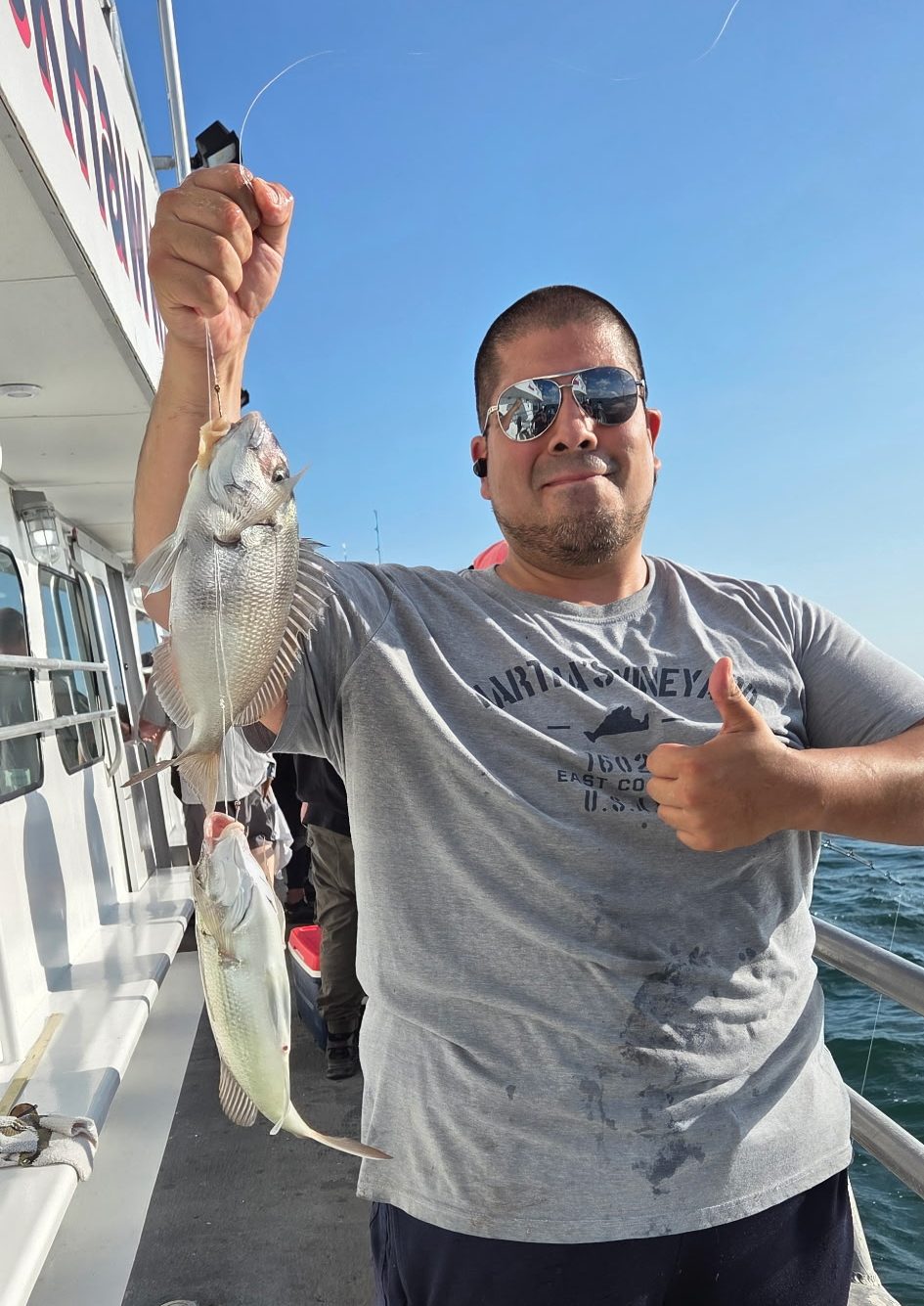
Reports from the Boat: Black Hawk Trip Highlights
Typical Daily Catch Results
Fishing aboard the Black Hawk offers anglers a clear picture of what Long Island Sound porgy fishing is really like. On most trips, customers can expect steady action with porgies ranging from keeper size to jumbos that measure well over 15 inches. Catch numbers often depend on the season, but during peak summer and fall months, limits are commonly reached. For many passengers, the highlight is not just filling coolers but also enjoying the fast pace of porgy fishing where bites can come as soon as rigs hit the bottom.
Families and first-time anglers especially appreciate the high catch rates, since porgies provide frequent opportunities to reel in fish. Experienced anglers, meanwhile, often use these trips to target larger porgies and refine their bottom fishing techniques.
Notable Bycatch While Porgy Fishing
One of the added benefits of porgy trips aboard the Black Hawk is the variety of bycatch. While porgies are the main target, anglers often encounter other species such as:
- Black sea bass around deeper reefs.
- Fluke on sandy bottoms near porgy grounds.
- Bluefish and striped bass passing through the Sound.
- Occasional weakfish or tautog depending on structure and season.
This variety keeps the action interesting and gives anglers the chance to head home with more than one type of fish. Party boat crews are skilled at helping passengers adjust tackle quickly when other species show up, ensuring no opportunity is wasted.
Crew Tips from the Deck
The Black Hawk crew plays a big role in making porgy trips successful. Mates are quick to share advice on bait presentation, hook setting, and positioning along the rail. They also handle tangles, measure fish, and keep the deck running smoothly. Many regular passengers say that following the crew’s guidance improves both the number and size of porgies caught during the trip.
Crew members often encourage anglers to:
- Keep bait pieces small so porgies can take the hook cleanly.
- Stay alert for the subtle pecking bite and set the hook promptly.
- Be patient when fishing deeper waters, especially during the fall jumbo run.
Passenger Experiences Onboard
Reports from customers highlight not only the fishing but also the atmosphere on the Black Hawk. Families enjoy the excitement of kids catching their first fish, while seasoned anglers appreciate the professionalism and efficiency of the crew. The social aspect of fishing shoulder to shoulder with others adds to the experience, making every trip feel like a shared adventure.
These trip highlights illustrate why the Black Hawk remains a trusted choice for Long Island Sound porgy fishing and why so many anglers return year after year.
Planning Your Own Long Island Sound Porgy Trip
When to Book for Each Season
The best time to plan a porgy trip depends on what you want from the experience. Spring is perfect for steady action and smaller fish that are easy for beginners to catch. Summer provides the highest numbers, making it ideal for families or groups who want consistent results. Fall offers the chance at jumbo porgies and cooler weather that many anglers prefer. Winter is generally a downtime, but it is also when booking early for spring ensures you secure a spot on busy party boats.
For those aiming to maximize their success, booking weekday trips often provides more space at the rail and a slightly less crowded environment than weekends.
What to Bring Onboard
Preparation can make the difference between a comfortable trip and a frustrating one. Anglers should consider bringing:
- Weather-appropriate clothing, including a light jacket or rain gear.
- Sun protection such as hats, sunglasses, and sunscreen.
- Snacks, meals, and drinks for the day.
- A small cooler for fillets after the trip.
- Motion sickness prevention if you are prone to seasickness.
The Black Hawk provides bait, tackle, and cleaning services, which makes it easier for newcomers to focus on the fishing itself.
Making the Most of a Party Boat Trip
Fishing from a party boat is different from going out on a private vessel. With more people sharing space, etiquette becomes important. Listening carefully to the captain and crew ensures everyone has a safe and enjoyable trip. It also helps improve catch rates since the crew knows how porgies are biting on any given day.
Positioning along the rail can influence success. Anglers should be ready to drop their lines quickly when the captain signals, as porgies often bite immediately when the boat is properly set over structure. Being respectful of neighboring anglers, avoiding crossed lines, and keeping gear organized all help create a smoother experience.
Safety, Comfort, and Enjoyment
Party boat crews prioritize safety, but passengers should take steps to be prepared. Wearing non-slip shoes, moving carefully on deck, and securing belongings are simple ways to stay safe. Beyond fishing, part of the fun is the social atmosphere, meeting other anglers, and enjoying a day on Long Island Sound.
Planning ahead, knowing what to bring, and following crew instructions allow every angler, from beginners to veterans, to get the most out of a porgy trip aboard the Black Hawk.
Forecast: What to Expect Ahead
Seasonal Outlooks Based on Patterns
Long Island Sound porgy fishing follows a predictable cycle that helps anglers plan well in advance. In spring, porgies typically arrive as water temperatures climb into the mid-50s, and schools begin to spread across nearshore grounds by May. Summer usually brings the largest concentrations, with high catch rates that last into August. Fall consistently produces larger porgies in deeper waters, giving anglers their best shot at jumbo fish. Winter remains quiet, but as soon as conditions warm in April, porgies return to start the cycle again.
These patterns mean anglers can expect reliable action year after year. Paying attention to water temperature reports and migration trends allows for better planning and more successful trips.
Potential Hotspots Emerging Soon
As each season changes, different parts of the Sound become more productive. In the early months, rocky inshore grounds near Niantic and New London are reliable. By midsummer, deeper reefs across the central and western Sound gain momentum. When fall arrives, anglers should expect the biggest porgies to concentrate offshore on wrecks and rock piles in 40 to 80 feet of water.
Hotspots worth watching include:
- Niantic Bay and Clinton Reef in spring.
- Deeper mid-Sound reefs through the summer.
- Montauk and offshore rock piles in the fall.
These areas shift with conditions, but they consistently appear in fishing reports as productive zones.
Gear Adjustments to Be Ready For
As porgy fishing moves through the seasons, anglers often benefit from small adjustments in gear and technique. In spring, lighter tackle and smaller baits help with finicky bites. During summer, standard hi-lo rigs and clam strips remain effective across all depths. By fall, heavier sinkers are often required to hold bottom in deeper water where larger porgies school.
Other adjustments to keep in mind include:
- Using fluorocarbon leaders in clear summer water.
- Switching to bigger bait pieces in fall to target jumbo porgies.
- Packing extra sinker weights when currents are strong.
By anticipating these changes, anglers can be prepared for the conditions they are most likely to face.
Planning for the Next Season
Forecasting ahead is also about preparation. Booking trips in advance, servicing reels, and refreshing tackle ensures everything is ready when porgies arrive again. Many anglers who plan ahead not only improve their chances of success but also secure spots on popular party boats like the Black Hawk during peak times.
Looking forward, porgy fishing in Long Island Sound continues to offer consistency, excitement, and opportunities for anglers of every level. With predictable patterns, well-managed regulations, and excellent access to productive waters, the future remains bright for porgy fishing in the region.
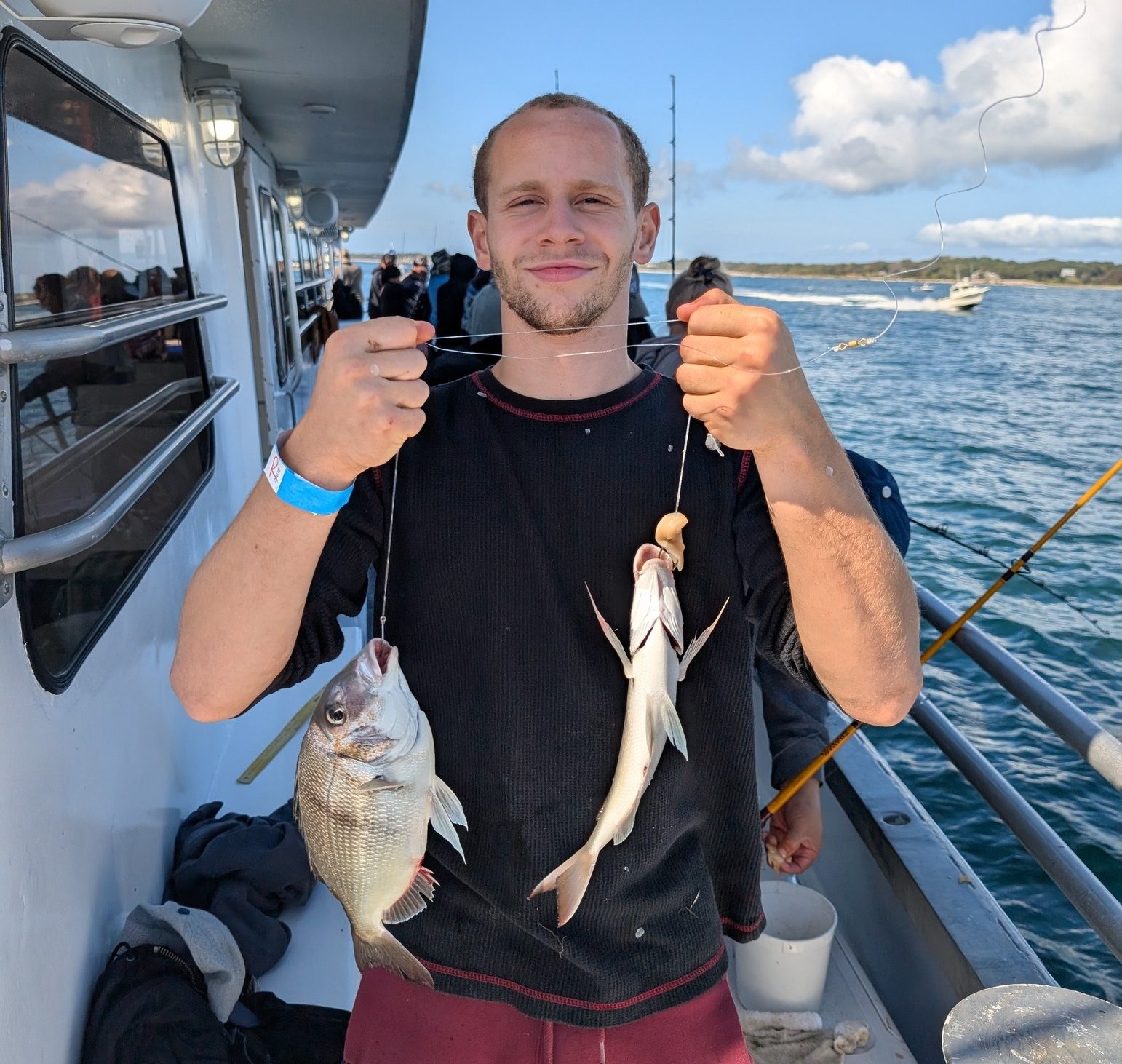
Frequently Asked Questions About Long Island Porgy Fishing
What is the best time of year to catch porgy in Long Island Sound?
The best time to catch porgy in Long Island Sound is from late spring through fall. Spring brings inshore schools, summer offers peak numbers, and fall produces the largest jumbo porgies in deeper waters. Winter is generally quiet, as most porgies migrate offshore.
Where are the best spots for porgy fishing in Long Island Sound?
Popular porgy fishing spots include Niantic Bay, Clinton Reef, New London, and the mid-Sound reefs. During summer, porgies spread widely across shallow and mid-depth waters, while fall concentrates them around deeper wrecks and rock piles. Both Connecticut and Long Island shorelines provide productive grounds.
What bait works best for porgy fishing in Long Island Sound?
Fresh clam is considered the top bait for porgy fishing year-round. Sandworms and squid strips are also highly effective, with worms often producing in early spring. The key is using small bait pieces that porgies can easily take in.
What size hooks are best for porgy fishing?
Anglers typically use size 1 to 2/0 bait holder or beak hooks for porgy fishing. These sizes are small enough to match the porgy’s mouth but strong enough to handle larger jumbo fish. Using the right hook size greatly improves hook-up rates.
Do you need a license to fish for porgy in Long Island Sound?
Yes, a license or registration is required depending on which side of the Sound you fish. Connecticut anglers need a marine waters license, while New York anglers need a recreational marine fishing registration. Party boats like the Black Hawk cover licensing for their passengers.
How many porgies can you keep in Long Island Sound?
Bag limits for porgies vary between New York and Connecticut and can change by season. In general, anglers can keep more fish when fishing on licensed party or charter boats compared to private trips. Always check the latest regulations with CT DEEP or NY DEC before fishing.
Long Island Porgy Fishing Report: Final Thoughts
Porgy fishing in Long Island Sound offers reliable action, great table fare, and opportunities for anglers of all skill levels. From spring’s inshore schools to summer’s peak numbers and the jumbo porgies of fall, every season has something to offer. Knowing where to fish, what gear to bring, and how to follow local regulations ensures both a successful and responsible trip. With steady catch rates and plenty of hotspots across the Sound, it is no wonder porgy fishing remains one of the most popular activities in the region.
If you are ready to experience this fishery firsthand, book a trip aboard Black Hawk Sport Fishing. Our crew provides expert guidance, quality equipment, and access to the best porgy grounds in Long Island Sound. Reserve your spot today and see why so many anglers return year after year.